
Georgia
Ancient Civilisations, Mountain Landscapes & Legendary Hospitality
Majestic fjords, northern lights, and timeless Nordic beauty.
Discover Georgia
Where Europe and Asia meet in culture, cuisine and landscape
Georgia is one of the most compelling and underrated destinations in Eurasia, sitting at the crossroads of Eastern Europe and Western Asia. With a history stretching back thousands of years, the country offers a remarkable blend of ancient traditions, dramatic landscapes and vibrant modern life. Medieval churches cling to mountain ridges, centuries-old wine traditions thrive in rural valleys, and dynamic cities balance old-world charm with creative energy. Take a train journey to Tbilisi from Batumi or Kutaisi, go into one of the many churches to hear choirs and enjoy fabulous red wine and tasty local foods from the fertile grounds of Georgia.
What makes Georgia especially appealing is its authenticity. Tourism is well developed but rarely overwhelming, allowing visitors to experience genuine hospitality, deeply rooted traditions and regional diversity. From the Caucasus Mountains to Black Sea beaches, and from wine-producing villages to cosmopolitan capitals, Georgia rewards both first-time visitors and those returning to explore more deeply. Tbilisi is an excellent base to explore the country - and you may also strongly consider doing a day trip into neighboring country Armenia. It's good to take into account that as of 2025-2026 borders with Azerbaijan are typically closed both from the Georgian and the Armenian side.
Visa Requirements
Georgia has one of the most generous entry policies in the region.
EU passport holders can enter Georgia visa-free for up to 1 year for tourism.
A valid passport is required for entry; national ID cards are not accepted.
Entry procedures are straightforward at airports and land borders.
Language Spoken
The official language is Georgian, which has its own unique alphabet and is unrelated to most European languages.
- English is increasingly spoken, particularly among younger people and in cities such as Tbilisi and Batumi.
- Russian is also widely understood, especially among older generations.
While English may be less common in rural areas, visitors generally find communication manageable and locals exceptionally welcoming.
Accepted Currencies
Currency: Georgian Lari (GEL)
Credit and debit cards are widely accepted in cities, hotels, restaurants and supermarkets.
Cash is useful in rural areas, markets and smaller towns.
ATMs
are common and reliable across the country.
Weather & Best Time to Visit Georgia
Georgia’s climate varies significantly by region due to its diverse geography.
- Spring (April–June): Mild temperatures, blooming landscapes and excellent sightseeing conditions.
- Summer (July–August): Warm to hot, particularly in lowlands; ideal for mountain regions.
- Autumn (September–October): One of the best times to visit, especially for wine harvests and hiking.
- Winter (November–March): Cold in the mountains with strong snowfall; popular for skiing in Gudauri and Bakuriani.
Best time to visit:
- May to June and September to October for balance of weather, scenery and activities
Destinations to Discover in Georgia
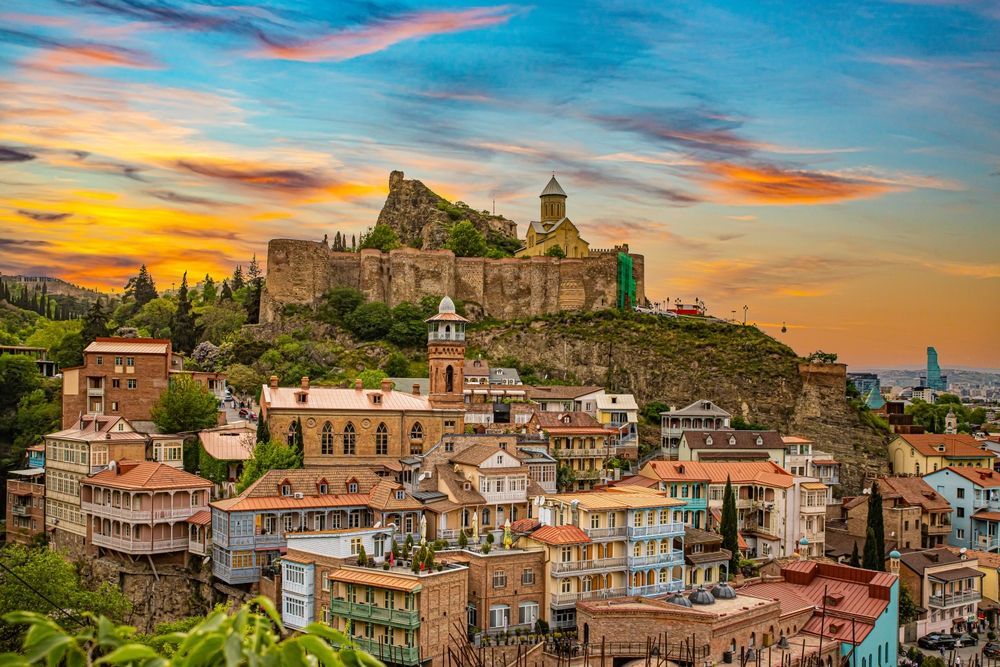
Tbilisi – History, Culture & Creative Energy
Georgia’s capital is a city of contrasts, where ancient churches, Persian-influenced bathhouses and Soviet-era buildings coexist with modern architecture and a thriving arts scene. Tbilisi’s old town is atmospheric and walkable, while newer districts showcase the city’s growing creative and culinary reputation.
Tbilisi is also the cultural gateway to Georgia, making it an ideal starting point for wider exploration for instance to the wineries and higher Caucasus mountain range.
Highlights & things to do:
- Wander the Old Town (Dzveli Tbilisi)
- Visit Narikala Fortress for panoramic city views
- Relax in the historic sulphur baths of Abanotubani
- Explore museums, galleries and wine bars
- Ride the cable car over the Kura River
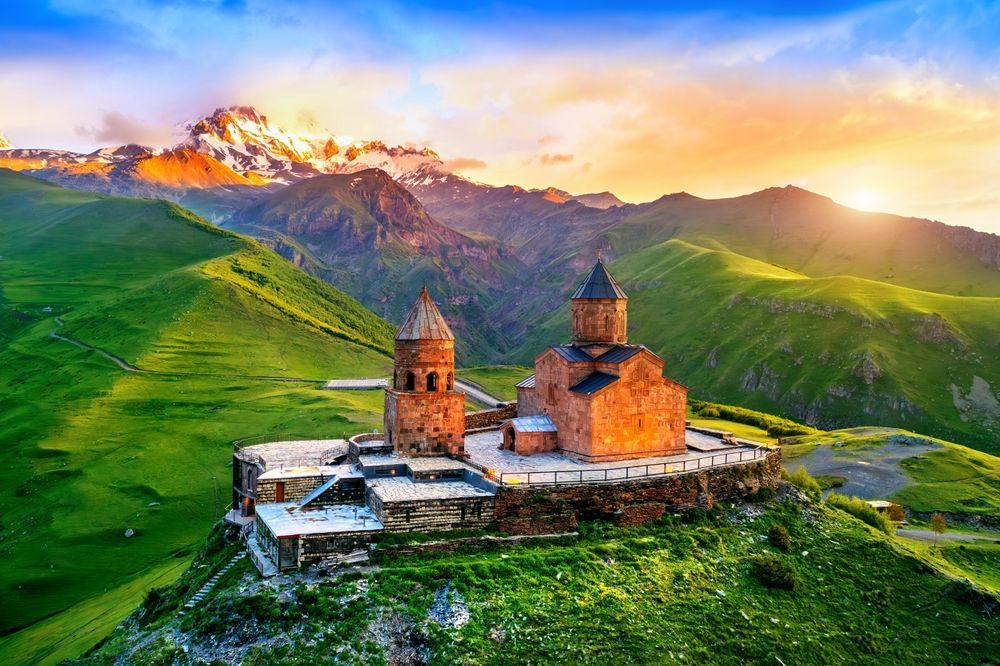
Kazbegi (Stepantsminda) – Caucasus Mountain Scenery
Located in the Greater Caucasus Mountains, Kazbegi is one of Georgia’s most spectacular regions. Snow-capped peaks, deep valleys and remote villages define the landscape, making it a highlight for nature lovers and photographers.
The area offers a sense of scale and remoteness that contrasts sharply with city life. Small minivans go back and forth to Tbilisi several times a day.
Highlights & things to do:
- Visit Gergeti Trinity Church, one of Georgia’s most iconic landmarks
- Hike mountain trails and alpine valleys
- Drive the scenic Georgian Military Highway
- Enjoy views of Mount Kazbek, for the more adventurous souls it's possible to climb this peak!
- Experience traditional mountain hospitality
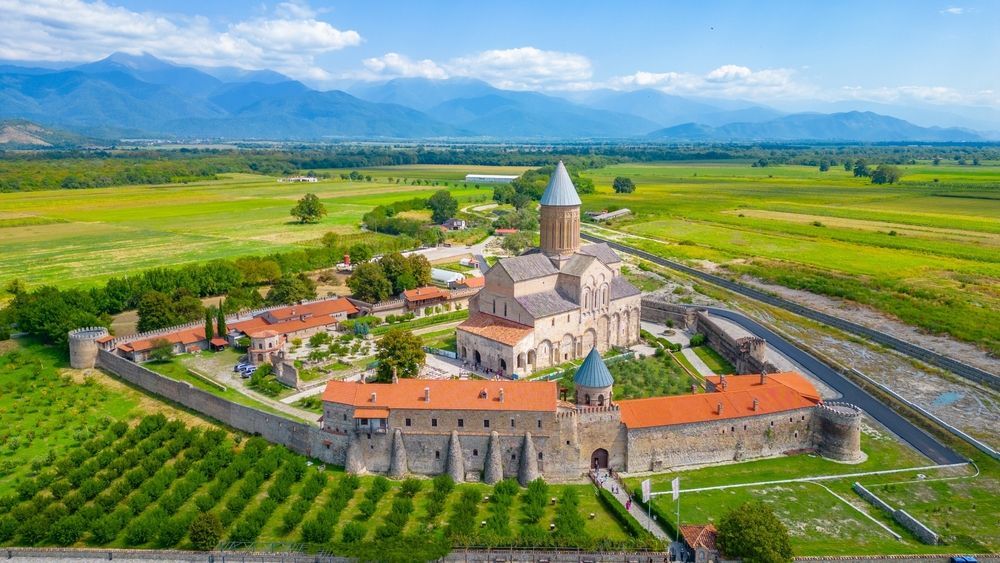
Kakheti – The Cradle of Wine
Kakheti is Georgia’s premier wine region and central to the country’s identity. Georgia is considered the birthplace of wine, with an 8,000-year-old tradition that continues today using clay vessels known as qvevri.
Rolling vineyards, historic monasteries and rural villages define the region, making it ideal for slow travel and cultural immersion.
Highlights & things to do:
- Visit family-run wineries and wine cellars
- Learn about traditional qvevri wine-making
- Explore historic towns such as Sighnaghi
- Visit hilltop monasteries overlooking vineyards
- Enjoy regional cuisine paired with local wines
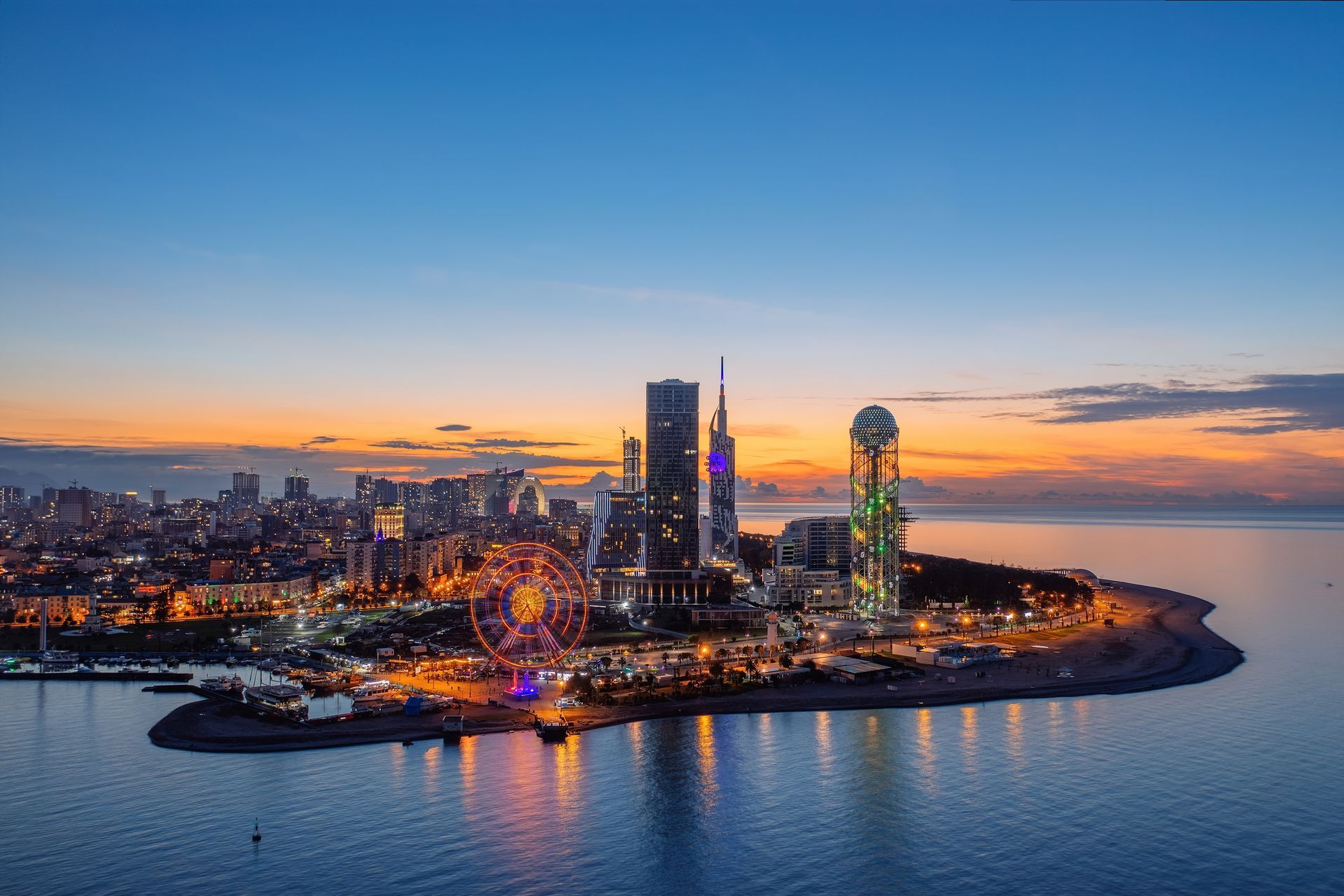
Batumi – Black Sea Coast & Modern Georgia
Batumi is Georgia’s seaside city, combining subtropical beaches with modern architecture and lively nightlife. It offers a completely different atmosphere from inland regions, blending leisure, culture and contemporary development.
Batumi is particularly popular in summer and serves as Georgia’s main coastal resort destination.
Highlights & things to do:
- Walk the Batumi Boulevard along the seafront
- Relax on Black Sea beaches
- Visit botanical gardens overlooking the coast
- Explore modern landmarks and old town streets
- Enjoy cafés, bars and nightlife
Unmissable Experiences in Georgia
Taste Georgian Cuisine
Georgian food is a highlight in its own right. Dishes such as khinkali (dumplings), khachapuri (cheese-filled bread) and herb-rich stews reflect regional diversity and generosity. Meals are social occasions, often accompanied by wine and traditional toasts.
Experience Georgian Wine Culture
Georgia’s wine tradition is unique, with ancient techniques still in use today. Wine tastings in Kakheti and beyond offer cultural insight as well as exceptional flavours rarely found elsewhere in Europe.
Explore the Caucasus Mountains
The Caucasus region provides some of the most dramatic mountain scenery in the region. Hiking, scenic drives and village visits offer access to landscapes that feel untouched and profoundly atmospheric.
Discover Ancient Churches & Monasteries
Georgia’s religious heritage is visible across the country, with stone churches and monasteries set in remote and dramatic locations. Many date back over a thousand years and remain active places of worship.
Georgia Know-How: Top Tips for First-Timers
Travel Beyond the Capital
Tbilisi is an excellent base, but Georgia’s true character lies in its regions—mountains, vineyards and coastlines.
Accept Local Hospitality
Georgians are famously hospitable. Invitations to meals or wine tastings are common and offered genuinely.
Plan for Varied Terrain
Travel times can be longer due to mountains and road conditions; allow flexibility in itineraries.
Carry Some Cash
While cities are card-friendly, cash is useful in villages and remote areas.
A destination rich in history, flavour and discovery
Georgia offers a rare combination of ancient culture, dramatic landscapes and warm hospitality, all at excellent value compared to much of Europe. From vibrant cities and wine regions to towering mountain ranges and coastal escapes, the country delivers depth and diversity at every turn. For travellers seeking authenticity, cultural richness and memorable experiences beyond the mainstream, Georgia stands out as one of the most rewarding destinations to explore.