Albania
Untouched Coastlines, Ancient Cities & Wild Balkan Landscapes
Majestic fjords, northern lights, and timeless Nordic beauty.
Discover Albania
Europe’s last great undiscovered destination
Albania is one of Europe’s most surprising and rewarding countries, offering dramatic landscapes, rich history and a strong sense of authenticity that feels increasingly rare. Long isolated from mainstream tourism, Albania has emerged as a destination where ancient ruins, Ottoman towns, mountain villages and turquoise coastlines exist side by side, often without the crowds found elsewhere in the Mediterranean. After decades of communist dictatorship and tumultuous 90's, the country has rapidly developed and in most part of the country there is a very decent, and affordable tourist infrastructure present.
For visitors, Albania delivers outstanding value, genuine hospitality and striking variety. In a single trip it is possible to explore Roman ruins, hike in remote mountain regions, relax on Ionian beaches and wander UNESCO-listed old towns. Whether visiting for the first time or returning to explore deeper, Albania consistently rewards curiosity with memorable, unpolished experiences.
Visa Requirements
Albania offers simple entry conditions for European travellers.
EU and EEA citizens may enter Albania visa-free for up to 90 days within a 180-day period.
A valid passport or national ID card is required for entry.
Border formalities are generally straightforward at airports and land crossings.
Language Spoken
The official language is Albanian, which is unique and unrelated to neighbouring languages.
- English is widely spoken among younger generations and in tourist areas.
- Italian and Greek are also commonly understood, reflecting historical and regional ties.
Visitors generally find communication easy in cities and along established travel routes.
Accepted Currencies
Currency: Albanian Lek (ALL)
Cash is widely used, particularly outside major cities.
Credit and debit cards are accepted in hotels, larger restaurants and supermarkets, but less so in rural areas.
ATMs are readily available in towns and cities.
Carrying cash
is recommended, especially when travelling beyond main tourist centres.
Weather & Best Time to Visit Albania
Albania enjoys a Mediterranean climate along the coast and a more continental climate inland.
- Spring (April–June): Warm, green and ideal for sightseeing and outdoor activities.
- Summer (July–August): Hot and sunny, particularly along the coast; peak season for beach travel.
- Autumn (September–October): Excellent weather with fewer visitors, ideal for coast and culture.
- Winter (November–March): Mild on the coast, colder in mountain regions.
Best time to visit:
- May to June and September to October for balance of weather and crowd levels
Destinations to Discover in Albania
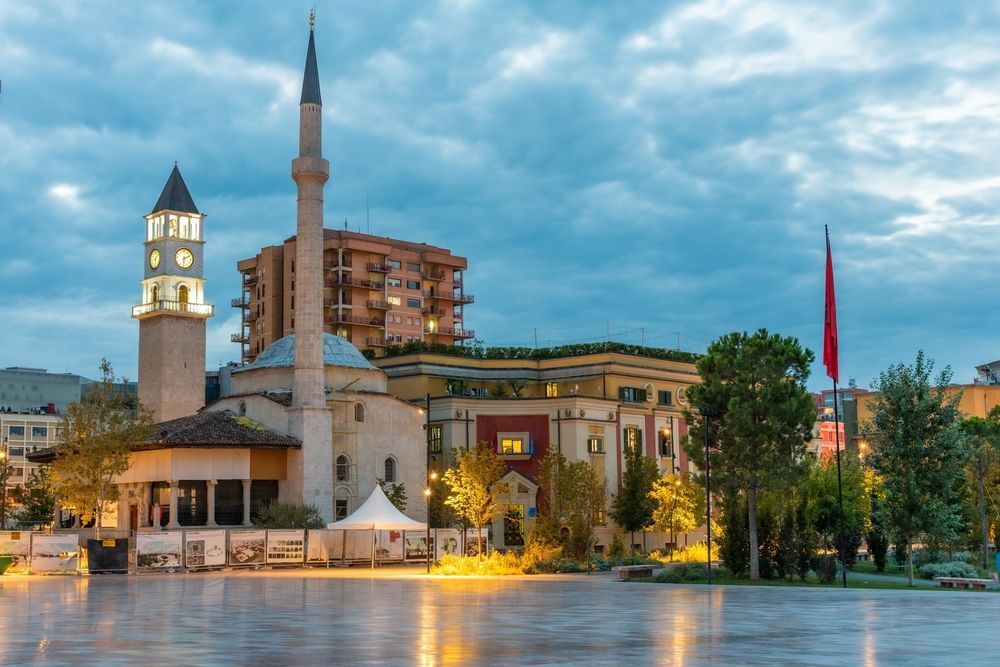
Tirana – A Capital in Transformation
Tirana is a city reinventing itself. Many visitors agree that there's a pleasant vibe in the city. Once closed off and austere, Albania’s capital is now colourful, energetic and creative. Bold architecture, lively cafés and public squares reflect a youthful spirit, while museums and monuments offer insight into the country’s complex past. Tirana is also the main transport hub and an excellent base for exploring central Albania. For instance it's about a half hour by bus to the old seaside town of Dürres.
Highlights & things to do:
- Explore Skanderbeg Square, the heart of the city
- Visit Bunk’Art museums to understand Albania’s communist history
- Discover colourful neighbourhoods such as Blloku
- Enjoy café culture and local restaurants
- Take a walking tour in town with Guruwalk
- Take a cable car up Mount Dajti for panoramic views
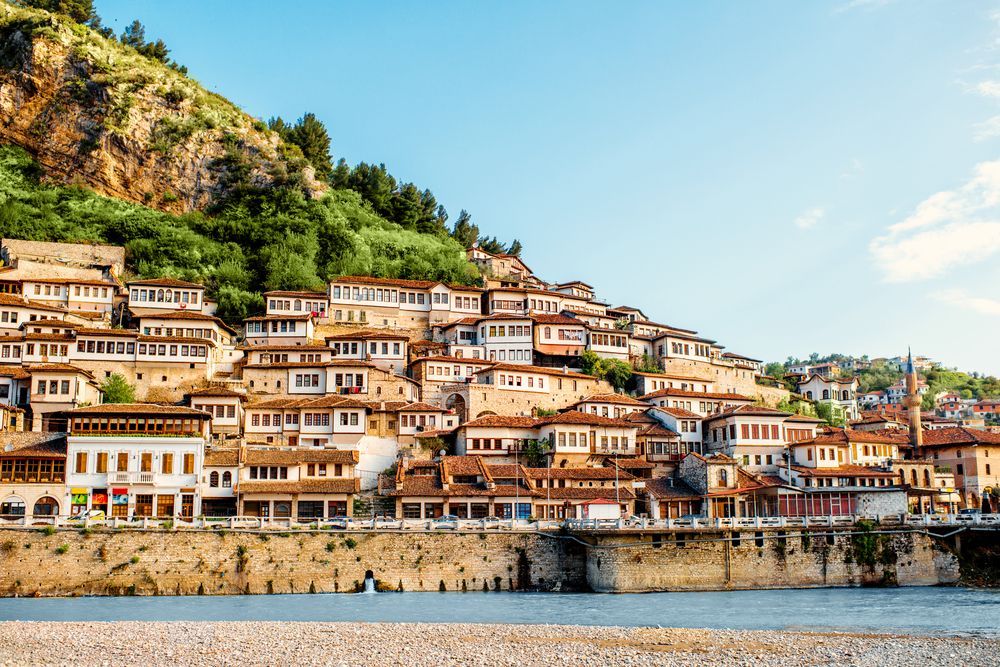
Berat – City of a Thousand Windows
Berat is one of Albania’s most beautiful and historically significant towns. Its white Ottoman houses cascade down the hillside beneath a vast castle, creating a striking and instantly recognisable skyline.
The old town is a UNESCO World Heritage Site and offers a peaceful, atmospheric experience rooted in tradition.
Highlights & things to do:
- Walk the UNESCO-listed old town
- Visit Berat Castle, still inhabited today
- Explore historic churches and museums
- Wander riverside neighbourhoods
- Enjoy traditional Albanian cuisine in family-run restaurants
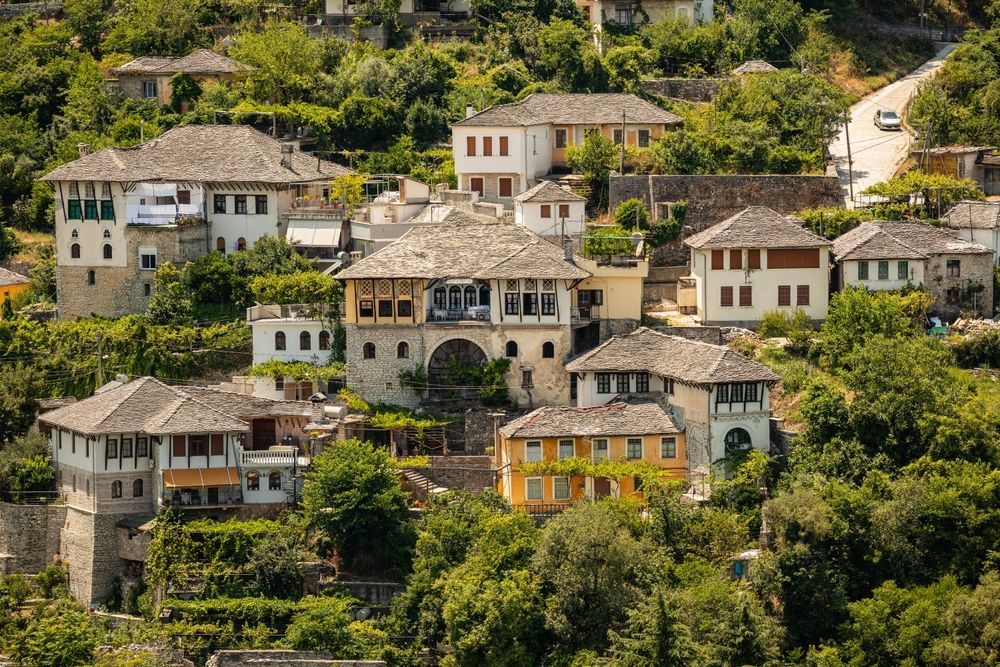
Gjirokastër – Stone City of the South
Gjirokastër (also birthplace of communist dictator Enver Hoxha) is another UNESCO-listed town, known for its stone-roofed houses, steep streets and dramatic hilltop setting. The town has a strong sense of history and regional identity, offering insight into southern Albanian culture.
Its preserved Ottoman architecture and slower pace make it a highlight for culture-focused travellers.
Highlights & things to do:
- Explore Gjirokastër Castle and its panoramic views
- Wander the old bazaar streets
- Visit traditional stone houses and museums
- Learn about local history and folklore
- Use Gjirokastër as a base for nearby villages and landscapes
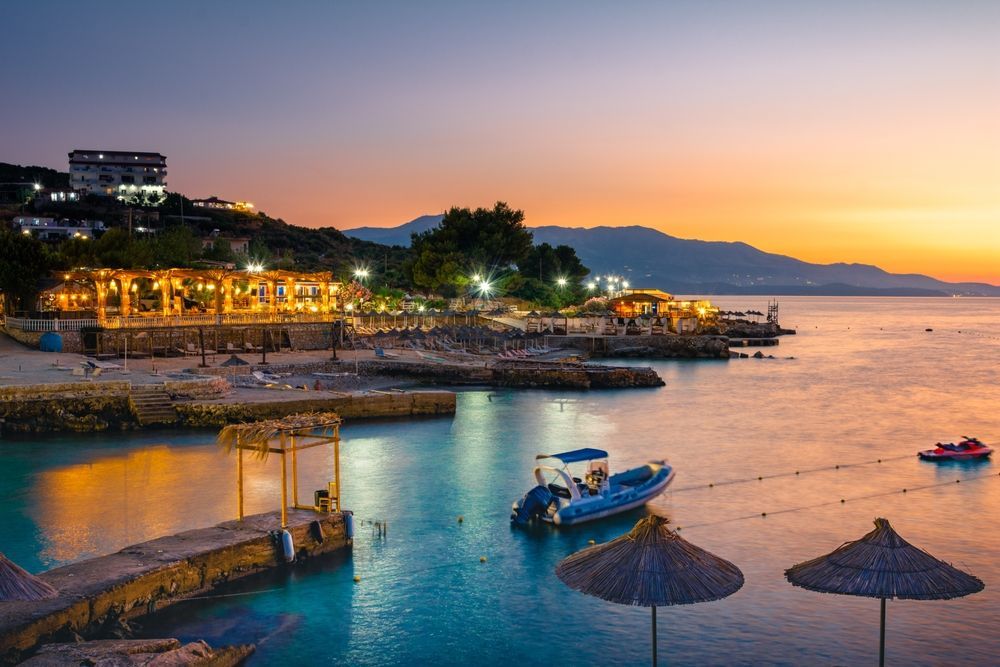
The Albanian Riviera – Beaches Without the Crowds
Stretching along the Ionian Sea, the Albanian Riviera offers some of the most beautiful beaches in the Balkans. Clear turquoise waters, dramatic coastal roads and relaxed seaside villages define the region. The city of Vlora opens its airport in 2026 offering direct flights to several European capital cities.
Unlike many Mediterranean destinations, much of the Riviera remains refreshingly undeveloped, particularly outside peak summer.
Highlights & things to do:
- Relax on beaches in Ksamil, Dhërmi and Himara
- Swim in crystal-clear Ionian waters
- Drive scenic coastal routes
- Explore seaside villages and local tavernas
- Visit nearby archaeological sites such as Butrint
Unmissable Experiences in Albania
Explore Ancient History
From Roman ruins to Ottoman towns, Albania’s history spans millennia. Sites such as Butrint, Apollonia and historic city centres reveal layers of civilisation rarely seen in one country. The city of Dürres also has a Roman amfitheater and was home to one of the key battles in the Roman civil war between Caesar and Pompey.
Travel Through Mountain Landscapes
Northern Albania’s mountains offer dramatic scenery, remote villages and some of the Balkans’ best hiking. Regions such as the Albanian Alps provide opportunities for trekking and cultural immersion.
Experience Albanian Hospitality
Hospitality is central to Albanian culture. Visitors are often welcomed with food, drink and conversation, particularly in rural areas where tourism is still developing.
Enjoy Local Cuisine
Albanian food reflects Mediterranean and Balkan influences, with fresh vegetables, grilled meats, seafood and regional specialities forming the backbone of local menus.
Albania Know-How: Top Tips for First-Timers
Carry Cash
Cash is still king in many places, especially outside major cities.
Expect Infrastructure Variations
Road conditions and public transport can vary; allow extra travel time.
Travel Beyond the Coast
While beaches are a major draw, inland towns and mountain regions offer depth and cultural richness.
Respect Local Traditions
Albania is welcoming but traditional in places; modest dress is appreciated in rural areas and religious sites.
A destination of authenticity, value and discovery
Albania offers something increasingly rare in Europe: a sense of discovery. With its blend of ancient history, unspoilt landscapes, welcoming people and excellent value, it appeals to travellers seeking experiences beyond the mainstream. From historic towns and rugged mountains to clear coastal waters, Albania stands out as one of Europe’s most exciting and genuinely rewarding destinations to explore now.