Northern Vietnam
Mountain Landscapes, Timeless Traditions & Cultural Depth
Majestic fjords, northern lights, and timeless Nordic beauty.
Discover Northern Vietnam
A region shaped by history, highlands and human connection
Northern Vietnam is the cultural and historical heart of the country, defined by mist-covered mountains, fertile river deltas and cities shaped by centuries of trade, scholarship and resistance. This is especially true for the great city of Hanoi. Life here moves to rhythms set by seasons, agriculture and tradition, offering travellers an experience that feels grounded, authentic and richly layered. The superb city of Hanoi is very much the base for exploring the north and has so much to offer, especially around the old French quarter and the Hoam Kiem lake. Think of trips to Sapa, Ha Long Bay, Ninh Binh and Ha Giang. Every morning, scores of minibuses and vans pick up travelers from hotels in the old quarter.
The region rewards both first-time visitors and those returning to explore further. From the bustling streets of Hanoi to remote hill-tribe villages and dramatic limestone landscapes, Northern Vietnam offers contrast without chaos. It is a place where food culture is deeply regional, landscapes feel cinematic and daily life remains closely tied to heritage and community. It's destination with great value for money. The food is generally regarded as fantastic and overall there's a good atmosphere and vibe. So it's not a surprise the country has seen a stark uptick in tourism and digital nomads making it their base for longer stretches of time.
Read more about Vietnam here
Visa Requirements
Vietnam has simplified entry for many European travellers.
Most EU passport holders can enter Vietnam visa-free for up to 45 days for tourism but a registration generally applies and can be done here: https://evisa.gov.vn/
A passport valid for at least six months beyond the date of entry is required.
Proof of onward travel may be requested on arrival.
For longer stays, an e-visa is available and easy to apply for online.
Entry procedures at international airports are generally efficient.
Language Spoken
The official language is Vietnamese.
- English is increasingly spoken in cities, tourist areas, hotels and tour services.
- In rural and mountainous regions, English may be limited, but guides are widely available and locals are generally welcoming and helpful.
Signage in major transport hubs and attractions often includes English.
Accepted Currencies
Currency: Vietnamese Dong (VND)
Cash is still widely used, especially for street food, markets and rural travel.
Credit and debit cards are accepted in hotels, higher-end restaurants and larger shops in cities.
ATMs are readily available in towns and cities.
Carrying small denominations
is recommended for everyday expenses.
Weather & Best Time to Visit Northern Vietnam
Northern Vietnam has a more varied climate than the south.
- Spring (March–April): Mild temperatures and clear skies—excellent for sightseeing and trekking.
- Summer (May–August): Hot and humid, with heavier rainfall; landscapes are lush and green. Western tourists typically stay away because of the heat.
- Autumn (September–November): One of the best times to visit, with cooler air and rice harvests in the mountains.
- Winter (December–February): Cool and sometimes misty, particularly in highland areas.
Best time to visit:
- March to April and September to November
Destinations to Discover in Northern Vietnam
Hanoi – Vietnam’s Cultural Capital
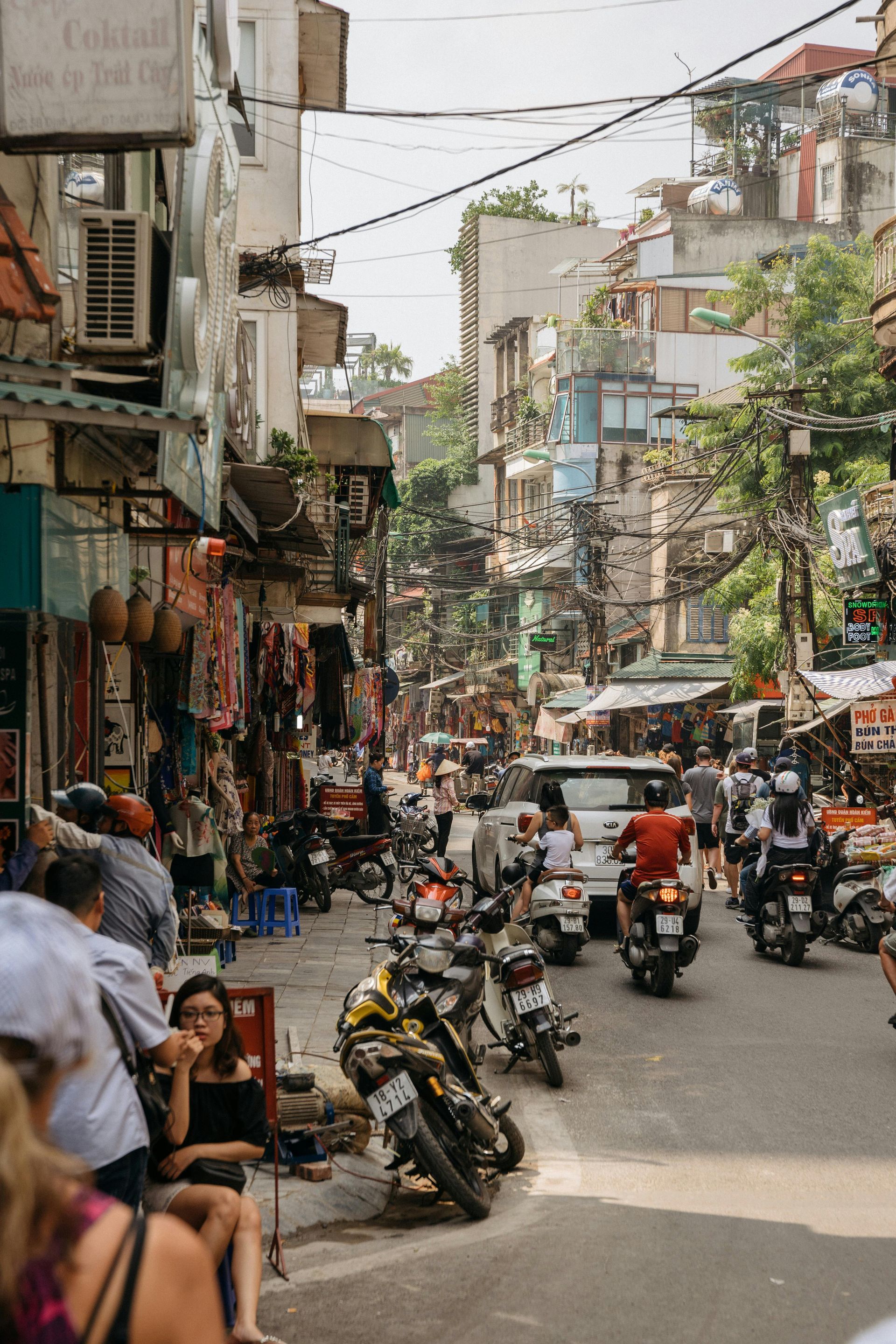
Hanoi is a city of layers, where ancient temples, colonial architecture and modern street life coexist within a compact, walkable centre. The Old Quarter remains the city’s beating heart, with narrow streets named after historic trades and filled with food stalls, cafés and family-run businesses.
The city’s lakes, tree-lined boulevards and strong café culture provide moments of calm amid the energy, while museums and monuments offer insight into Vietnam’s complex history. It's worth staying at least a couple of days and make it your base to explore the north. There's all you need around the old quarter and take into account that getting in and out of the city typically includes heavy traffic.
Highlights & things to do:
- Explore the Old Quarter and Hoan Kiem Lake
- Visit the Temple of Literature and historic pagodas
- Discover Vietnam’s history at the Ho Chi Minh Mausoleum complex
- Experience Hanoi’s renowned street food scene
- Enjoy traditional water puppet performances
Ha Long Bay – Limestone Icons & Seascapes
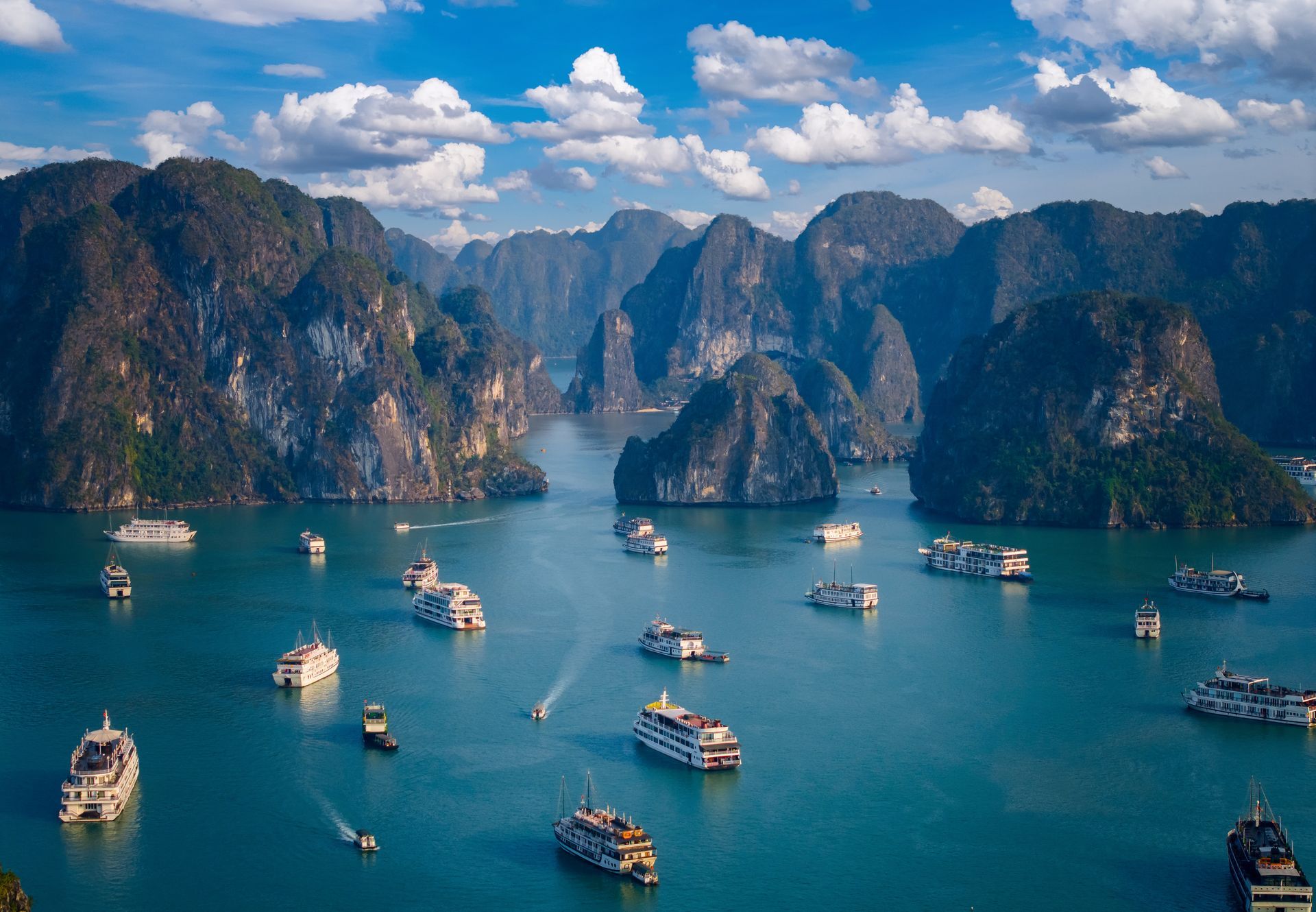
Ha Long Bay is one of Vietnam’s most iconic natural landscapes, known for thousands of limestone karsts rising from emerald waters. A UNESCO World Heritage Site, it offers a serene contrast to urban travel. Cruises range from day trips to overnight stays, allowing visitors to experience the bay’s changing light and tranquil atmosphere. It can be done well on a day trip from Hanoi even if it's a long day of approximately 12 hours all-in. Most hotels will sell tours in different levels of comfort. In Vietnam, like in most parts of South East Asia, the app Grab is highly popular for ordering rides and food. Longer stretches can often be quite well priced. So this can be an alternative to minibuses. For very long distances, the country offers sleeper buses but it's not for everyone.
Highlights & things to do:
- Cruise among limestone islands and caves
- Kayak through hidden lagoons
- Visit floating fishing villages
- Enjoy sunset and sunrise views from the water
- Explore nearby Lan Ha Bay for quieter routes
Sapa – Highlands & Hill-Tribe Culture
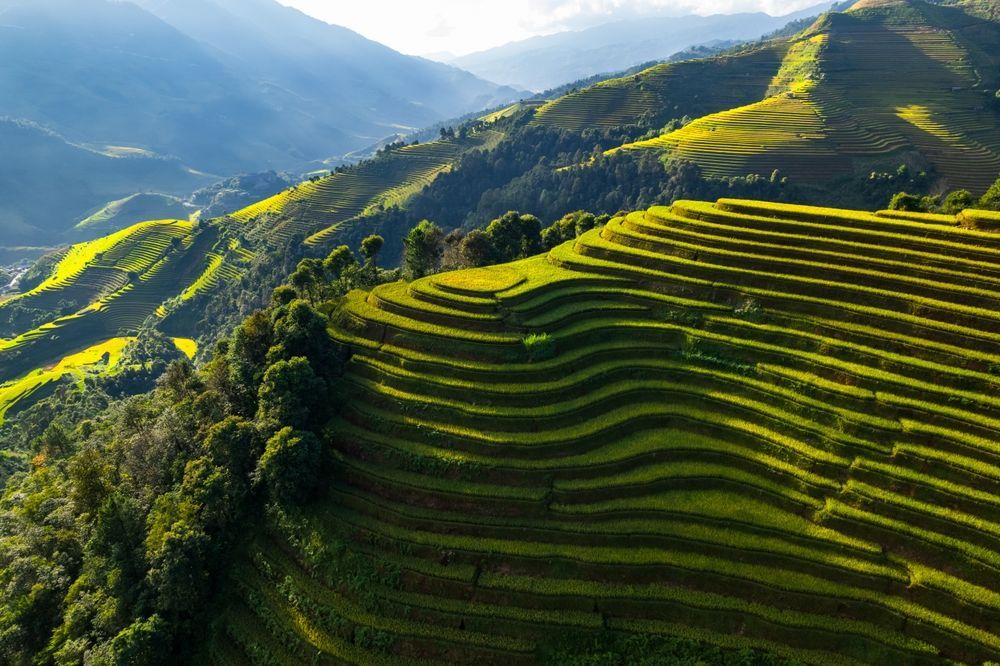
Set high in the Hoàng Liên Mountains near the Chinese border, Sapa is known for its terraced rice fields, cooler climate and ethnic minority communities. The surrounding valleys are home to groups such as the Hmong and Dao, whose traditions remain central to daily life.
Sapa is a base for trekking and cultural encounters, offering some of Northern Vietnam’s most striking scenery. It can actually be pretty cold here in winter time so make sure to dress up accordingly - though there's plenty of clothing shops for hikers in Sapa. For the adventurous souls the hike up to Fansipan is a real challenge - the highest peak in Indochina.
Highlights & things to do:
- Trek through rice terraces and mountain villages
- Visit local markets and minority communities
- Explore waterfalls and scenic viewpoints
- Experience homestays in rural villages
- Enjoy cooler mountain air and dramatic landscapes
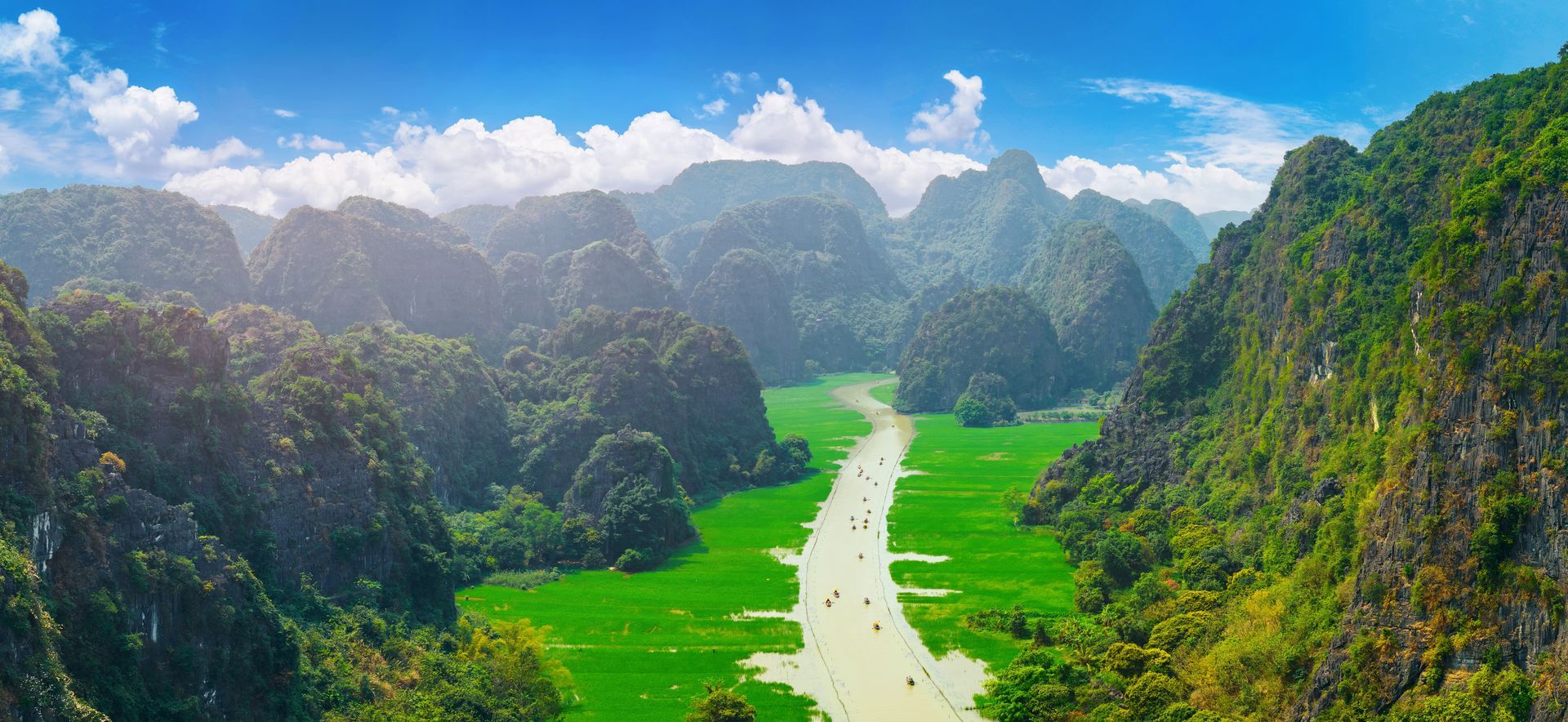
Ninh Binh – Inland Ha Long Bay
Often described as “Ha Long Bay on land,” Ninh Binh features dramatic limestone formations rising from rice paddies and rivers. The region is quieter and less developed, offering a slower, more contemplative travel experience.
Its combination of natural beauty and historical significance makes it a standout destination. Rent a boat or bike and cruise around this dramatic landscape. It's nice and quiet generally speaking and a good escape from busy Hanoi. It can also be done easily as a day trip from Hanoi though there's enough good accommodation and restaurants to stay for a few days.
Highlights & things to do:
- Take boat trips through Trang An or Tam Coc
- Visit ancient temples and pagodas
- Cycle through rural landscapes and villages
- Explore caves and karst scenery
- Discover Vietnam’s ancient capital at Hoa Lư
Unmissable Experiences in Northern Vietnam
Cruise Through Karst Landscapes
Whether on water in Ha Long Bay or by boat through Ninh Binh’s river systems, Northern Vietnam’s limestone scenery provides some of Southeast Asia’s most memorable views.
Experience Northern Vietnamese Cuisine
Food in the north is lighter and more subtle than in southern regions. Dishes such as pho, bun cha, banh cuon and fresh spring rolls reflect balance and restraint, particularly in Hanoi. Popular in recent years are food tours and vegetarian cooking classes, especially in places such as Hoi An and Hanoi.
Trek in Mountain Regions
Trekking in areas such as Sapa offers both scenic beauty and cultural insight. Walks range from gentle village routes to multi-day hikes through remote valleys.
Explore Vietnam’s Historical Roots
Northern Vietnam is rich in temples, pagodas and historic sites that reveal the foundations of Vietnamese identity, from ancient dynasties to more recent history.
Northern Vietnam Know-How: Top Tips for First-Timers
Expect Climate Variation
Temperatures and weather can change significantly between cities and mountain regions, pack layers!
Use Local Guides in Rural Areas
Guides enhance cultural understanding and ensure respectful engagement with minority communities.
Carry Cash
Small vendors and rural areas rely heavily on cash transactions. Take into account that many ATMs will offer a limit on cash withdrawals.
Be Prepared for Traffic
Urban traffic can feel chaotic but is generally slow-moving and navigable with patience.
A region of culture, character and unforgettable scenery
Northern Vietnam offers a powerful combination of natural beauty, cultural depth and lived-in authenticity. From vibrant city streets and ancient temples to misty mountains and quiet river valleys, the region delivers experiences that feel immersive and meaningful. For travellers seeking insight, variety and a strong sense of place, Northern Vietnam stands out as one of Southeast Asia’s most rewarding destinations to explore.