
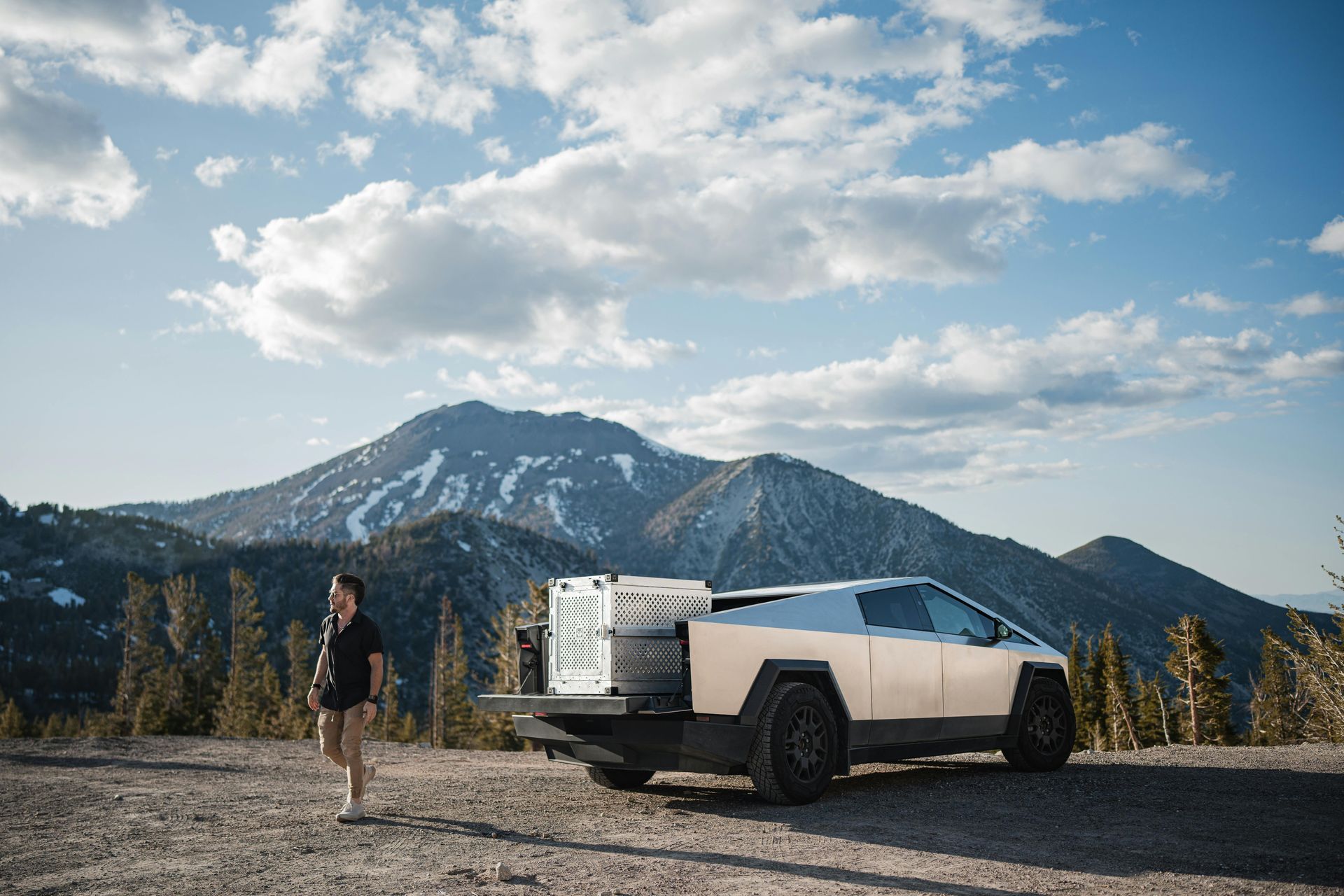
EUROPE — 7 top EV destinations 1. Norway – best overall EV destination Norway has incentivized electrical vehicles for many years, including perks when it comes to parking among others. Roads are never quite boring in this country and there’s long stretches in tunnels underneath vast rock formations including futuristic roundabouts! Why it’s great: Highest EV adoption rate in the world Reliable fast-charging along major tourist routes Stunning fjords, mountains, national parks Best for: ✔ Scenic road trips ✔ Nature-heavy holidays ✔ Long-distance EV travel ✔ Families & couples 2. Netherlands – best for easy, stress-free EV travel It’s not hard to find charging stations in this country - as well as to rent electric vehicles from one of the many renting and sharing platforms. No worries about range anxiety in this compact, flat country too. Just make sure to avoid rush our traffic around the major cities if you don’t want to be stuck in slow moving traffic for a good hour or so. Why it’s great: Densest public charging network in Europe Compact geography Flat, easy roads with short distances between towns EVs widely available at rental companies and sharing platforms Best for: ✔ City hopping ✔ Weekend breaks ✔ Beginner EV travellers 3. Germany – best for efficiency + excellent highways Why it’s great: Major charging corridors on Autobahns Lots of EV choices from rental agencies Well-mapped charger networks Mix of cities, medieval towns & countryside Best for: ✔ Long-distance touring ✔ Multi-country European road trips ✔ Culture + nature combo itineraries 4. France – best for diverse landscapes + big tourism regions Why it’s great: Extensive public chargers, especially on autoroutes Great EV suitability in regions like Provence, Loire Valley & Normandy Hotels increasingly offer overnight charging Best for: ✔ Wine routes ✔ Beach holidays ✔ Romantic trips 5. Sweden – best for northern nature road trips Why it’s great: Strong EV culture Good coverage from cities up through central Sweden Lakes, forests, wildlife-rich areas ideal for slow travel Best for: ✔ Summer nature road trips ✔ Family holidays ✔ Slow-travel vacations 6. Austria – best for alpine driving Why it’s great: Plenty of chargers around cities and tourist villages Hotels often provide easy charging Perfect mix of scenic mountain routes + cultural cities Best for: ✔ Alpine scenery ✔ Winter + summer trips ✔ City + mountain mix holidays 7. Belgium – best for compact, easy EV routes Why it’s great: Dense EV charging network Short distances between major towns Very EV-friendly for tourists Best for: ✔ Cultural city breaks ✔ Couples’ weekend trips ASIA — top 5 EV destinations 1. China – best overall EV destination in asia Why it’s great: World’s largest EV charging network Many high-speed chargers on highways EV rentals widely available Great for city-to-city trips (Shanghai → Hangzhou, Shenzhen → Guangzhou) Best for: ✔ Urban travel ✔ Scenic intercity routes ✔ High-tech travel experiences 2. South Korea – best for dense, reliable charging Why it’s great: One of the best charger-to-EV ratios globally Fast-charger availability very strong in developed regions Road quality excellent Best for: ✔ Seoul + Busan + Jeju holiday circuits ✔ Short-to-medium EV road trips ✔ Tech-loving travellers 3. Japan – best for organized, predictable routes Why it’s great: Improving EV infrastructure Predictable charging around major corridors Popular for short scenic routes: Tokyo → Hakone, Kyoto → Nara, Osaka → Wakayama Best for: ✔ City + nature combos ✔ Short scenic drives ✔ First-time EV renters in Asia 4. Singapore + Malaysia – best for smooth, modern SE Asia EV travel Why it’s great: Singapore offers very dense charging & excellent EV rentals Malaysia rapidly expanding fast chargers on main expressways Easy, safe cross-border EV travel Best for: ✔ Short-to-medium road trips ✔ Family holidays ✔ Beach + city mix trips 5. Thailand – best for city-based holidays with local EV travel Why it’s great: EV infrastructure growing rapidly in Bangkok, Chiang Mai, Phuket Short-distance sightseeing is very EV-friendly Ideal if you stay in popular regions Best for: ✔ Island + city combos (with planning) ✔ Eco-friendly travellers ✔ Couples looking for easy urban EV use
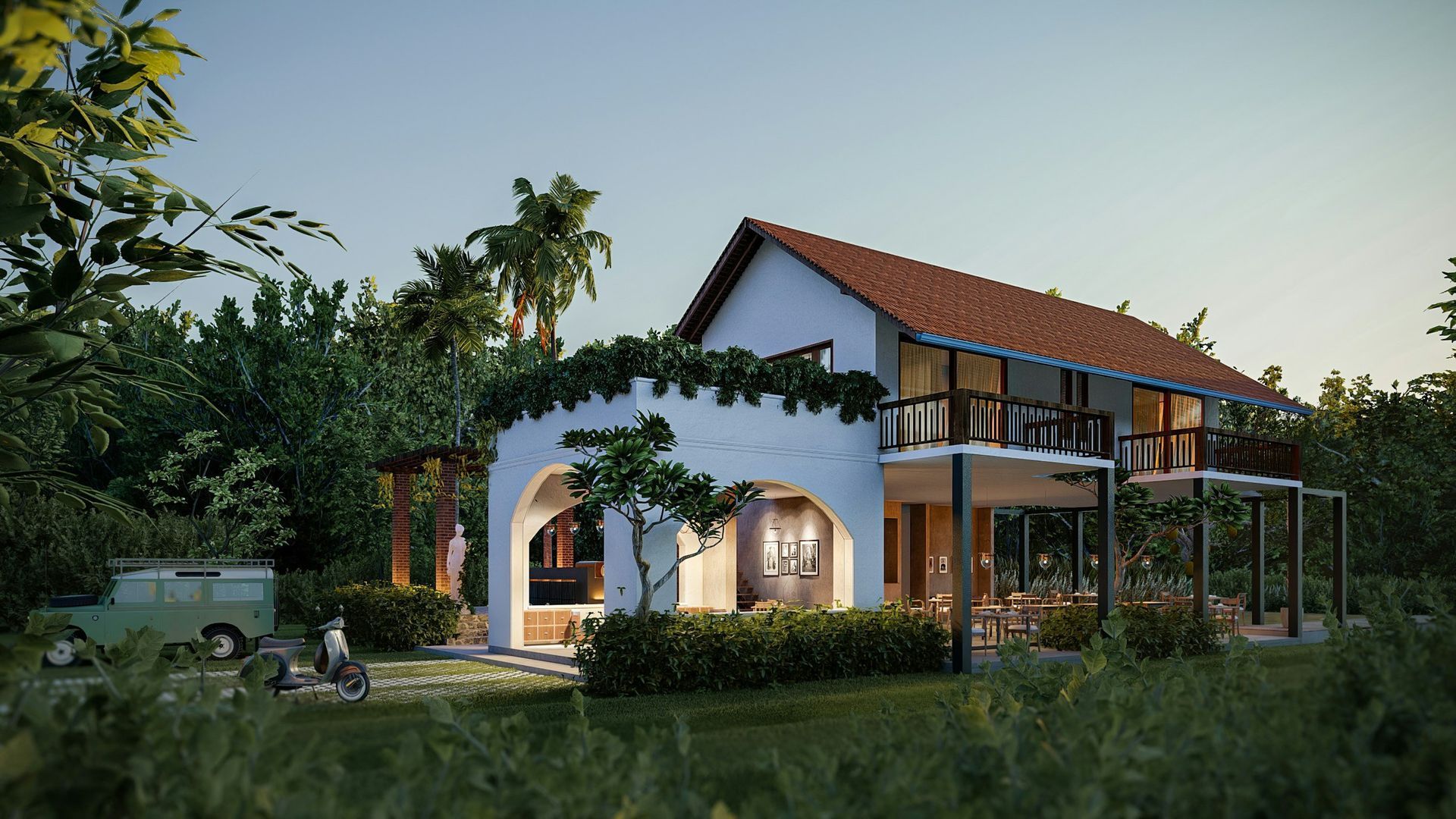
Colivings have rapidly transitioned from a niche housing trend for digital nomads to a mainstream accommodation choice across European capitals (and on the countryside too). From the tech hubs of Berlin and Lisbon to the historic centers of Prague and Budapest , it offers a distinct alternative to traditional renting.
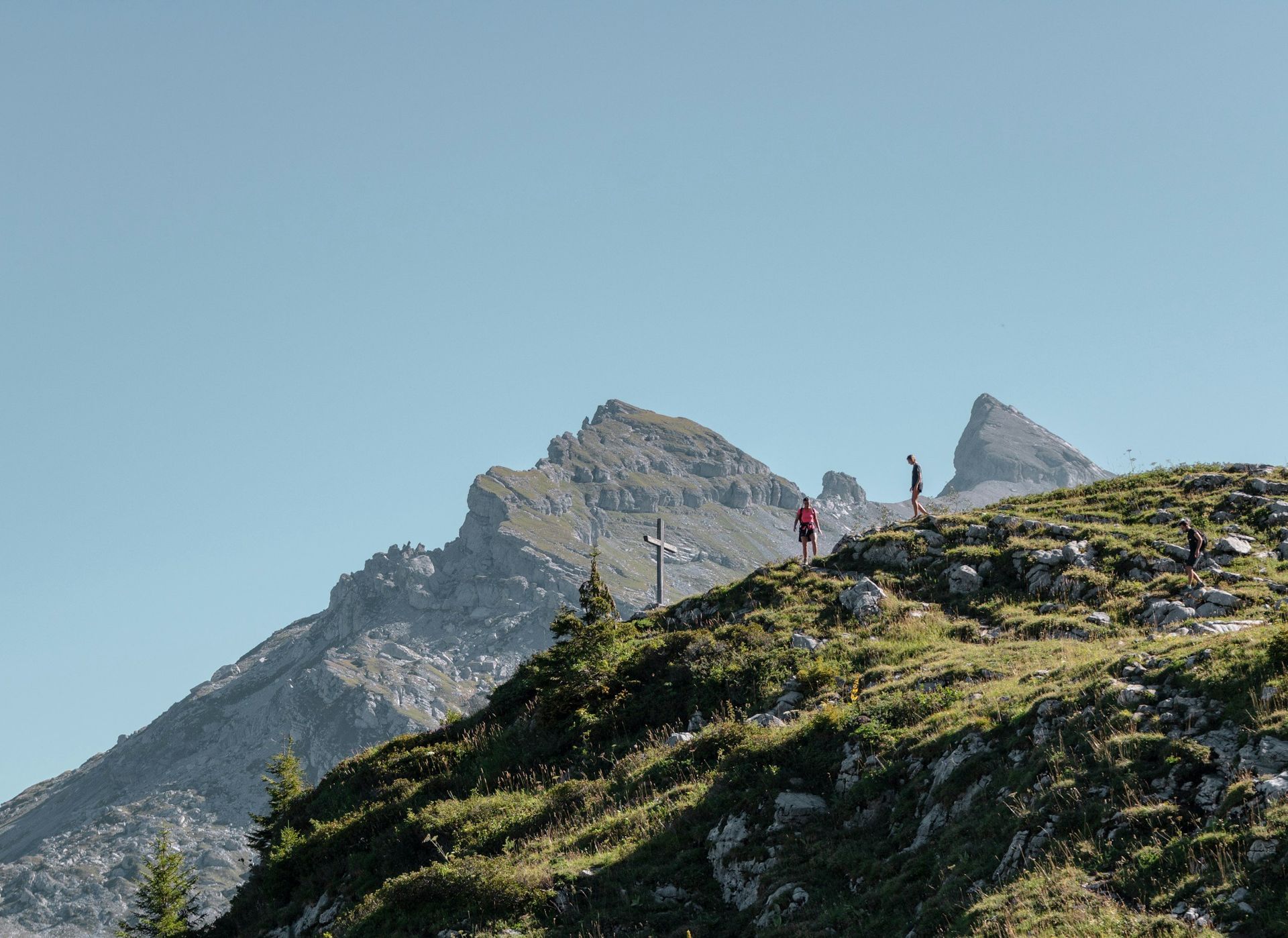
Europe is a paradise for hikers. From alpine giants to sun-soaked coastal paths, the continent is packed with world-class trails that blend natural beauty, culture, and adventure. Whether you’re planning your next big trek or searching for a weekend escape, this guide covers the top 10 outdoor hikes in Europe , why each one belongs on your bucket list, and exactly how to reach them .
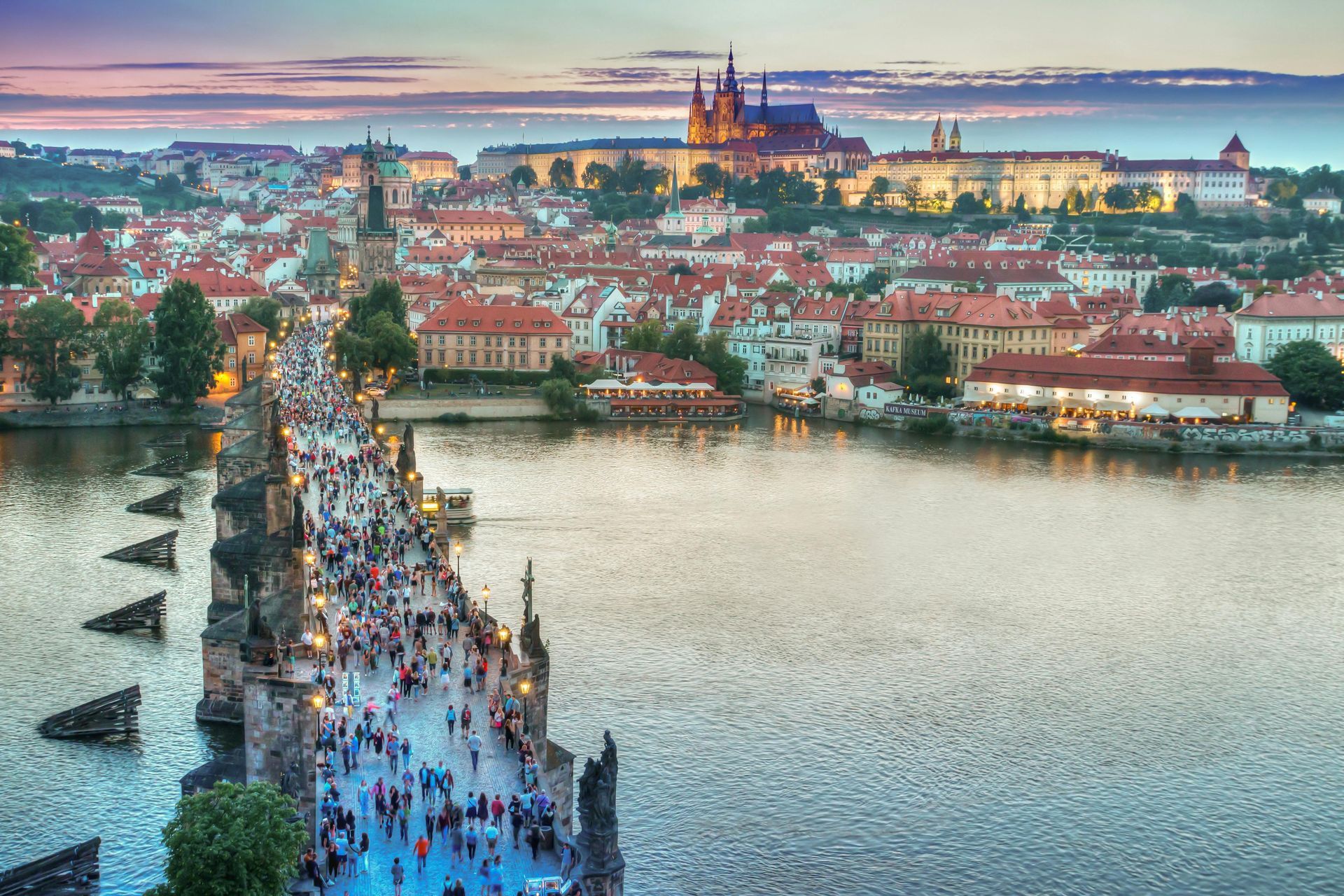
The Czech Republic, often called Czechia, is a landlocked country in Central Europe renowned for its stunning medieval architecture, fairy-tale castles, rolling countryside, and vibrant cultural scene. It's also the country where lager beer originated! Bordered by Germany, Austria, Slovakia, and Poland, it offers a mix of historic cities like Prague, charming towns, natural parks, and a rich brewing heritage. With a population of about 10.5 million, it's a safe, affordable destination that's easy to navigate. Whether you're into history, outdoor adventures, or wine tasting, Czechia has something for everyone. This guide covers everything from arrival to exploration, drawing on up-to-date information for 2026 travel. Best Time to Visit Czechia experiences four distinct seasons. The peak tourist season is May to September, with warm weather averaging 25°C (77°F) in summer—ideal for sightseeing and festivals, though Prague can get crowded in July and August. Shoulder seasons (March-May and September-October) offer milder temperatures around 14°C (59°F), fewer crowds, and opportunities for hiking or autumn foliage. Winter (December-February) brings snow, Christmas markets, and skiing, but expect cold snaps below freezing. For wellness retreats or wine tours, spring or fall is perfect. Avoid major holidays like Easter or Christmas if you prefer quieter visits. How to Get There Czechia is well-connected to the rest of Europe and beyond, with Prague serving as the main gateway. - By Air: The primary international airport is Václav Havel Airport Prague (PRG), about 10 miles from the city center. Direct flights arrive from major European hubs (e.g., London, Paris, Berlin) via airlines like Ryanair, EasyJet, or Czech Airlines. From the US, expect connections through cities like Frankfurt or Amsterdam; non-stop options from New York or Chicago take about 8-10 hours. Budget around 5,000-15,000 CZK (200-600 USD) for round-trip economy from Europe, or 20,000-40,000 CZK (800-1,600 USD) from North America. From the airport, take the Airport Express bus (100 CZK, 30 minutes to city center), a taxi (500-700 CZK), or Uber. Smaller airports like Brno or Ostrava handle regional flights. - By Train: Excellent for arrivals from neighboring countries. High-speed trains connect Prague to Vienna (4 hours, ~1,000 CZK), Berlin (4.5 hours, ~1,200 CZK), or Budapest (6.5 hours, ~900 CZK). Use services like České dráhy (Czech Railways) or international operators like ÖBB or Deutsche Bahn. Book via Trainline for discounts. - By Bus: Affordable and frequent, with companies like FlixBus or RegioJet offering routes from Munich (5 hours, ~500 CZK), Warsaw (8 hours, ~800 CZK), or Bratislava (4 hours, ~400 CZK). Buses are comfortable with Wi-Fi and often cheaper than trains. - By Car: If driving from abroad, highways from Germany (A6 to Prague) or Austria (A5) are well-maintained. You'll need a vignette (electronic toll sticker) for Czech motorways—about 310 CZK for 10 days. Border crossings are seamless within the Schengen Area. Visa requirements: EU citizens need no visa. For non-EU visitors (e.g., US, Canada), enter visa-free for up to 90 days in the Schengen Zone. From October 2025, the EES (Entry/Exit System) will track entries digitally. Check for ETIAS pre-authorization if required by 2026. How to Get Around Czechia's transport network is efficient, affordable, and scenic, making it easy to explore beyond Prague. - Public Transportation in Cities: Prague has an extensive metro, tram, and bus system (tickets: 30 CZK for 30 minutes, 120 CZK for 24 hours). Buy from machines or the PID app; validate tickets to avoid fines. Similar systems in Brno and other cities cost around 30 CZK per ride. Night services run in major areas. - Trains: České dráhy operates a reliable network. Prague to Brno: 230 CZK, 2.5 hours; to Český Krumlov: ~300 CZK, 3 hours. Book in advance for discounts; student or senior deals available. Scenic routes through countryside are a highlight. - Buses: Often cheaper than trains for shorter trips. Prague to Karlovy Vary: 280 CZK, 3 hours. Use BusBud or RegioJet for bookings. - Car Rental: Ideal for rural areas. Rentals start at 450 CZK/day (international license required; age 21+). Drive on the right; speed limits are 50 km/h in towns, 130 km/h on highways. Parking in cities can be tricky—use apps like Parkopedia. - Other Options: Domestic flights are rare and expensive (e.g., Prague-Brno ~3,300 CZK round-trip). Hitchhiking is safe but less common; rideshares via BlaBlaCar cost 200-500 CZK for intercity trips. Cycling is popular in flat areas—rent bikes for ~300 CZK/day. For multi-day travel, consider a Czech Rail Pass (unlimited travel for 3-15 days, starting at 1,500 CZK) or Interrail/Eurail if combining with other countries. Top Destinations and Attractions Czechia boasts UNESCO sites, natural wonders, and cultural gems. Here's a curated list of must-sees: Prague: The Heart of Czechia The capital is a Gothic and Baroque masterpiece. Wander Old Town Square for the Astronomical Clock, cross Charles Bridge at dawn, and visit Prague Castle—the world's largest ancient castle complex. Explore Jewish Quarter synagogues, climb Petrin Hill for views, or enjoy a river cruise on the Vltava. Don't miss the nightlife in beer gardens or clubs. Allow 3-4 days. Český Krumlov: Fairy-Tale Town A UNESCO-listed gem in South Bohemia with a Renaissance castle, winding river, and red-roofed buildings. Raft the Vltava, tour the Baroque theater, or hike nearby trails. 2 days recommended. Moravian Wine Region Near Brno, this area produces 90% of Czech wine. Visit Valtice Chateau cellars (tours 2,500-6,000 CZK) or cycle through vineyards. Pair with local cuisine like goulash. Kutná Hora and Sedlec Ossuary East of Prague, see the "Bone Church" decorated with 40,000 skeletons (200 CZK entry). The medieval silver mines and St. Barbara's Cathedral are highlights. Bohemian Switzerland National Park In North Bohemia, hike sandstone formations, gorges, and forests. Iconic spots include Pravčická Gate (Europe's largest natural bridge). Free entry; great for rock climbing. Karlovy Vary: Spa Town Famous for hot springs and colonnades. Sip mineral water, relax in spas, or attend the film festival. Day trip from Prague. Other Highlights - **Brno**: Modern vibe with Špilberk Castle and underground tours. - **Olomouc**: Baroque fountains and the Holy Trinity Column (UNESCO). - **Šumava National Park**: Lakes, forests, and hiking (free; camping available). - **Pilsen**: Birthplace of pilsner beer; factory tours ~300 CZK. - **Telč**: Renaissance square with colorful houses. For history buffs, visit Terezín Memorial (former concentration camp) or Austerlitz Battlefield. Suggested Itineraries 12-Day Trip by Public Transport - Days 1-3: Prague exploration. - Day 4: Day trip to Terezín. - Days 5-6: Český Krumlov. - Day 7: To Telč via Třeboň. - Day 8: To Olomouc via Třebíč. - Days 9-10: Olomouc, then back to Prague. - Day 11: Kutná Hora side-trip. - Day 12: Departure. Two-Week Road Trip - Days 1-3: Prague. - Day 4: Terezín. - Day 5: Konopiště Castle to Český Krumlov. - Days 6-7: Český Krumlov and Třeboň to Slavonice. - Day 8: Telč day trip. - Days 9-10: Moravský Krumlov, Mikulov wine region, Lednice Château. - Days 11-12: Olomouc and Kroměříž. - Day 13: Kutná Hora back to Prague. - Day 14: Departure. These focus on key regions: Bohemia and Moravia. Customize for interests like hiking in Krkonoše Mountains or wine in South Moravia. Food, Culture, and Experiences Czech cuisine features hearty dishes: try svíčková (beef in cream sauce), knedlíky (dumplings), and trdelník pastries. Beer is king—sample Pilsner Urquell or Staropramen (50 CZK/pint). Festivals include Prague Spring Music or Karlovy Vary Film. Culturally, admire Art Nouveau by Alfons Mucha or puppet theaters. Shop for Bohemian crystal or garnet jewelry. Practical Tips - Currency: Czech Koruna (CZK); 1 USD ≈ 25 CZK. ATMs are widespread; cards accepted in cities, but carry cash for rural areas. - Language: Czech is official; English common in tourist spots. - Safety: One of the world's safest countries—low crime, but watch for pickpockets in crowds. Use common sense; solo travelers report positive experiences. - Health: Tap water is safe. Get travel insurance covering activities like hiking. - Connectivity: Free Wi-Fi in cafes; EU roaming applies. - Sustainability: Use reusable bottles; opt for trains over cars. Costs and Budgeting Daily estimates (per person): - Backpacker: 900-1,100 CZK (hostel, self-catering, public transport). - Mid-range: 1,900 CZK (private room, some dining out, activities). - Luxury: 3,500+ CZK (hotels, fine dining, rentals). Save by eating local, using city passes (e.g., Prague Pass: 1,390 CZK for attractions), and booking transport early. Free walking tours are tip-based.
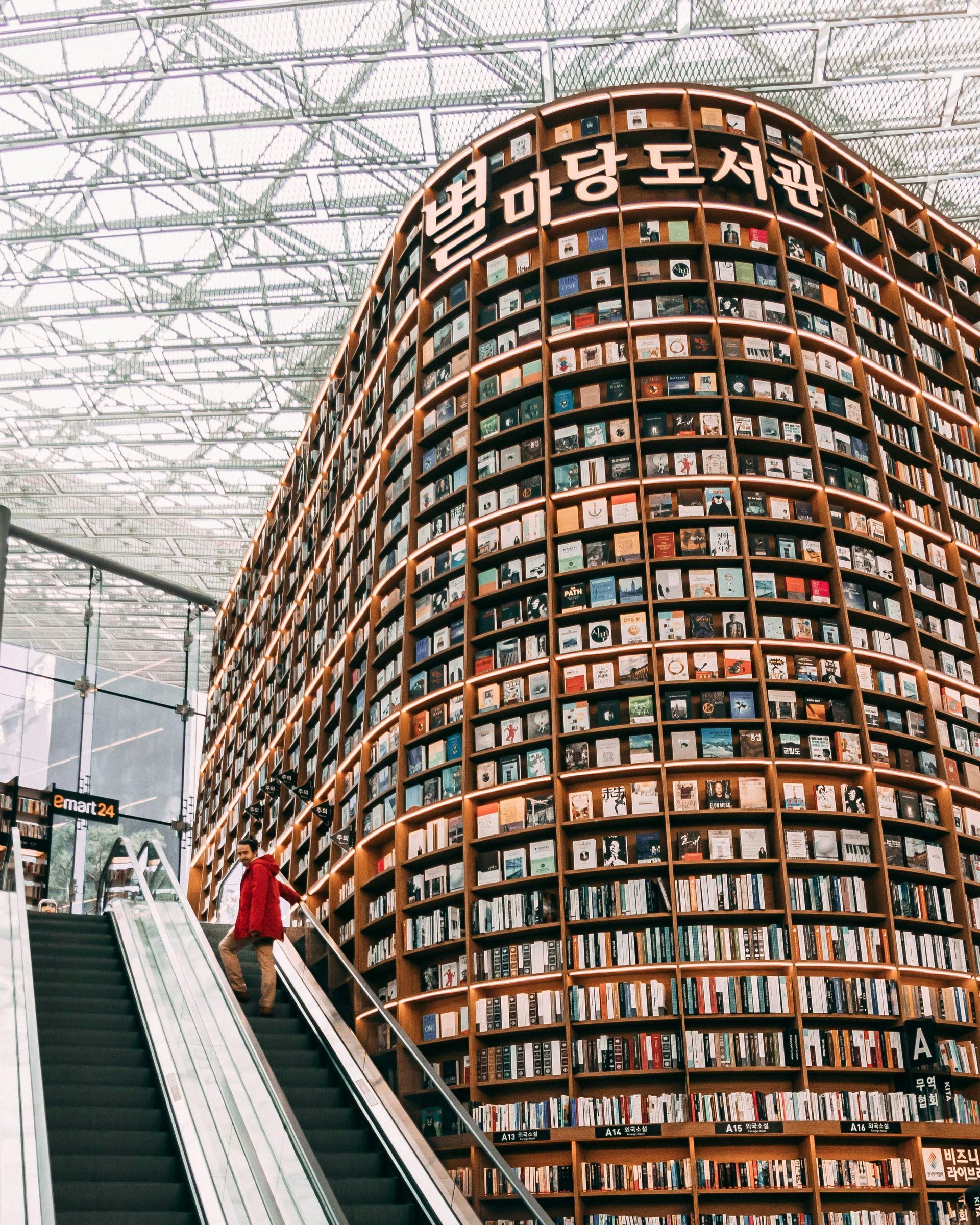
Whereas Tokyo felt somewhat stiff, Seoul is bustling. All tourists I speak to agree: there is a pleasant vibe in the city. Half of the more than 50 million South Koreans live in metropolitan Seoul. The city itself is home to some 12 million souls. I almost forgot what it was like to see trash on the streets after Japan. The courtesy of letting people pass gives way to pushing. Koreans are also noisier. At first glance, Korea can be placed between Japan and China in terms of culture. Korea scores at least as high on many lists as eternal rival Japan. Seoul in particular is ultramodern, commercial, well organized and equipped with all sorts of technological gadgets. In restaurants, you often order on a tablet, are served by robots and cash is rarely involved. But the city buzzes, people are more approachable and less reserved than Japanese. The subway network is the most sophisticated I know. A vast intricate web. Thousands of subterranean carriages move back and forth nearly 20 hours a day. Around rush hour, not the slightest chance of sitting down. Sardines is putting it mildly; it's a lot of cramming and not everyone fits in. After a week in Seoul, I travel with two bags to the bus station over an hour away. After 20 minutes, an elderly man falls to the ground, hitting his head hard and is clearly knocked out. An immediate call is made, wagon is stopped and first aid is rendered. After a few minutes, the gentleman is hoisted upright and brought onto the platform. Meanwhile, the wagon has continued to fill up. Not much later we are moving again but I myself become faint and short of breath. The very first stop I want to get out with two bags but manage to get out with one only. The largest backpack travels on without me. A mini blackout. A moment later, a woman brings me my metro pass that I had also lost. Later that day, I tap the wrong PIN three times at an ATM. Fortunately, the bag is quickly retrieved; not that I would have any doubt about that. The question was not if but when. Dozens of camera images were immediately reviewed and calls made. Ten minutes later I can collect my bag 15 stations down the line. The bus has long left but that is of lesser concern. The express buses are great by the way; very spacious and you get (part of) your money back when you miss a bus. It seems there are cameras everywhere in Korea except in hotel rooms, bedrooms and toilets. Every square inch is carefully monitored. Security prevails over privacy. Camera images of suspects and wanted criminals are continuously repeated on TV. Naming and shaming, it is the method used to keep everyone in crowded Korea in line. Meanwhile, in (South) Korea you find yourself in a country that has been at war with its northern neighbor for 70 years. A cease-fire was signed but never a peace treaty. In Seoul, just 30 kilometers from the border, subway stations serve as bomb shelters. Gas masks are widely available underground. On higher-end hotel rooms invariably a fold-out iron arm from which you can abseil down by cord. Although locals have gotten used to the provocations of their northern neighbors, the threat feels close through uncovered, clandestine tunnels. According to defectors (tens of thousands a year), there are more tunnels from which attacks can be made. North Korea was embarrassed after discovery of the tunnels, denied any involvement and had them painted black to pretend they served for coal mining purposes. We take a peek inside the tunnels, which were clearly not made for tall Europeans. With binoculars, we peer into the barren land of North Korea. Westerners find it particularly exciting to see anyone in this completely closed and isolated country. Little to nothing is known about daily life and problems in North Korea. Tourists are shown a biased picture under strict surveillance by two guides. Defectors tell a better, fairly disconcerting picture. Allegedly, the situation has been dire for years. Due to the economic sanctions, there is unprecedented poverty. Video recordings which have been smuggled out of the country show theft and dead people in the streets who are barely looked after. One of the few sources of revenue is providing construction services to unsavory regimes but also selling weapons and ammunition to Russia, Iran and Syria. The border is the most heavily guarded one in the world. Yet many South Koreans are not preoccupied with any threat and prefer to get ahead in life. Although South Korean young men are subject to two years of compulsory military service, they make up for this time as quickly as possible by earning money and pursuing a career. There is little or no trust in reunification with their northern neighbors. Contrary to founder and former top executive of Hyundai. As a boy in the North, he tried fleeing from the countryside several times. After the war, he stayed behind in the South and founded one of the country's largest companies (chaebols). For millions of Koreans, the war was divisive and they never saw family members again. Retired, the former Hyundai top executive donated 1001 cows to North Korea on the border bridge (renamed "cow bridge"). It was not to be a round number, but the beginning of something new. After WWII, Korea was split in two like Germany, a border was drawn at the 38th degree latitude. The decades before, all of Korea had been colonized by imperialist Japan. After the separation, the North launched a large-scale, brutal invasion in 1950. The South was completely overrun. What followed was a now (in the West) almost forgotten, horrific war with four million casualties. The newly formed UN came into action for the first time. Numerous countries, including the Netherlands, heeded the US call to join the fight. In fact, the war was mainly against China and Russia. A cultural battle, an ideological battle, an outsourced war. It's like the current Ukraine war. 4,500 Dutchmen enlisted. An adventure beckoned. Many had never heard of Korea, let alone knew where it was. 150 Dutchmen never returned. The city dweller in the subway looks pale, coughs and sneezes from sitting indoors so much. Women in particular avoid the sun as much as possible. Hands in front of the face and lots of umbrellas, even on sun-drenched days! A white skin is the beauty ideal. There are even treatments and special creams for it. Like K-Pop and K-Drama, there is K-Beauty, being obsessively concerned with appearance. On every street corner there is a store selling skincare products and makeup from a major chain. But it goes further than that: Seoul is global "capital of cosmetic surgery”. In the Gangnam district streets full of billboards with ads from doctors in white coats. Most popular procedure? The double eyelid correction. Over 20% of young women have had one or are considering one. There is - unlike in Europe - absolutely no stigma about it. Recent graduates receive cosmetic surgery as a graduation gift. After all, you wish your daughter a smooth start into her career. Photos on resumes are mandatory and appearance - more than anywhere else - plays a decisive role in career success. This is because there is cutthroat competition for high-paying top jobs. The Asian crisis of the late 1990s is also to blame because the job market was thoroughly reformed in its wake and workers became less secure of their jobs. Soccer coach Guus Hiddink is by far the best-known Dutch person in Korea. He owes this entirely to his feat with the national soccer team during the 2002 World Cup. Out of the blue, home country South Korea almost reached the final, but it was Germany - who else - who narrowly stopped them. They played good soccer, but they lacked confidence and belief. The team was also too nice on the pitch, too well mannered. Psychologist Hiddink forged a team, cultivated confidence and taught them the dirty tricks of soccer. The rest is history. People still talk about Hiddink with admiration; he is truly considered a hero who put Korea on the map as a soccer nation. Soccer, along with baseball, is the country's national sport. With the long American (military) presence, baseball came along. So did religion. Korea here differs quite a bit from other Asian countries. Half of Koreans are atheist (reunification should be feasible for that reason alone), over 30% Christian and 15% Buddhist.
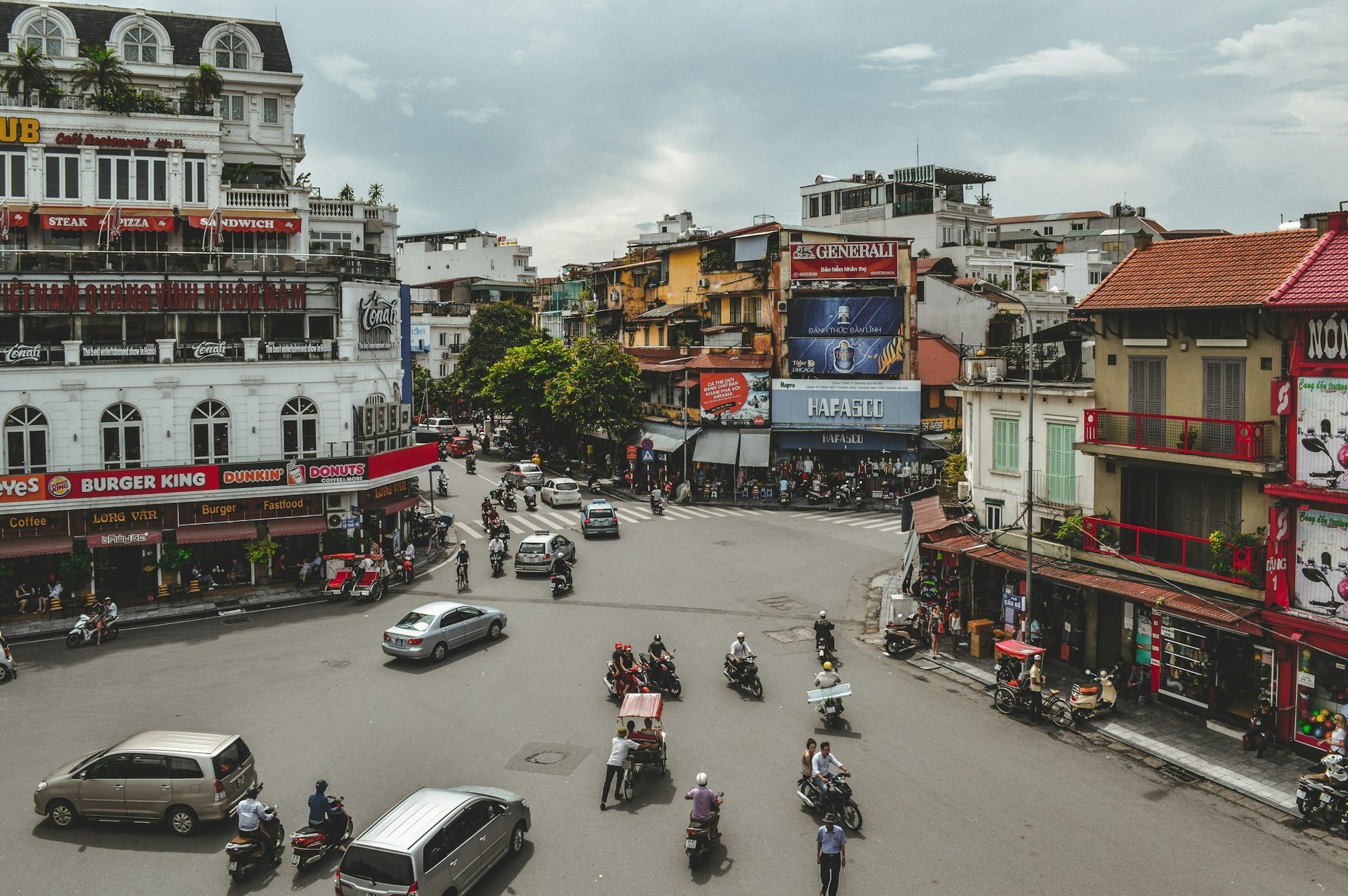
One of Asia’s most popular destinations and with good reason! Especially the last decade travellers have appreciated the vibrant Northern part of Vietnam , the great vibe and energy it represents along the cuisine and available activities in the region. The country is changing rapidly, it’s become a real manufacturing powerhouse. However many countryside destinations still offer a relaxed and authentic touch.
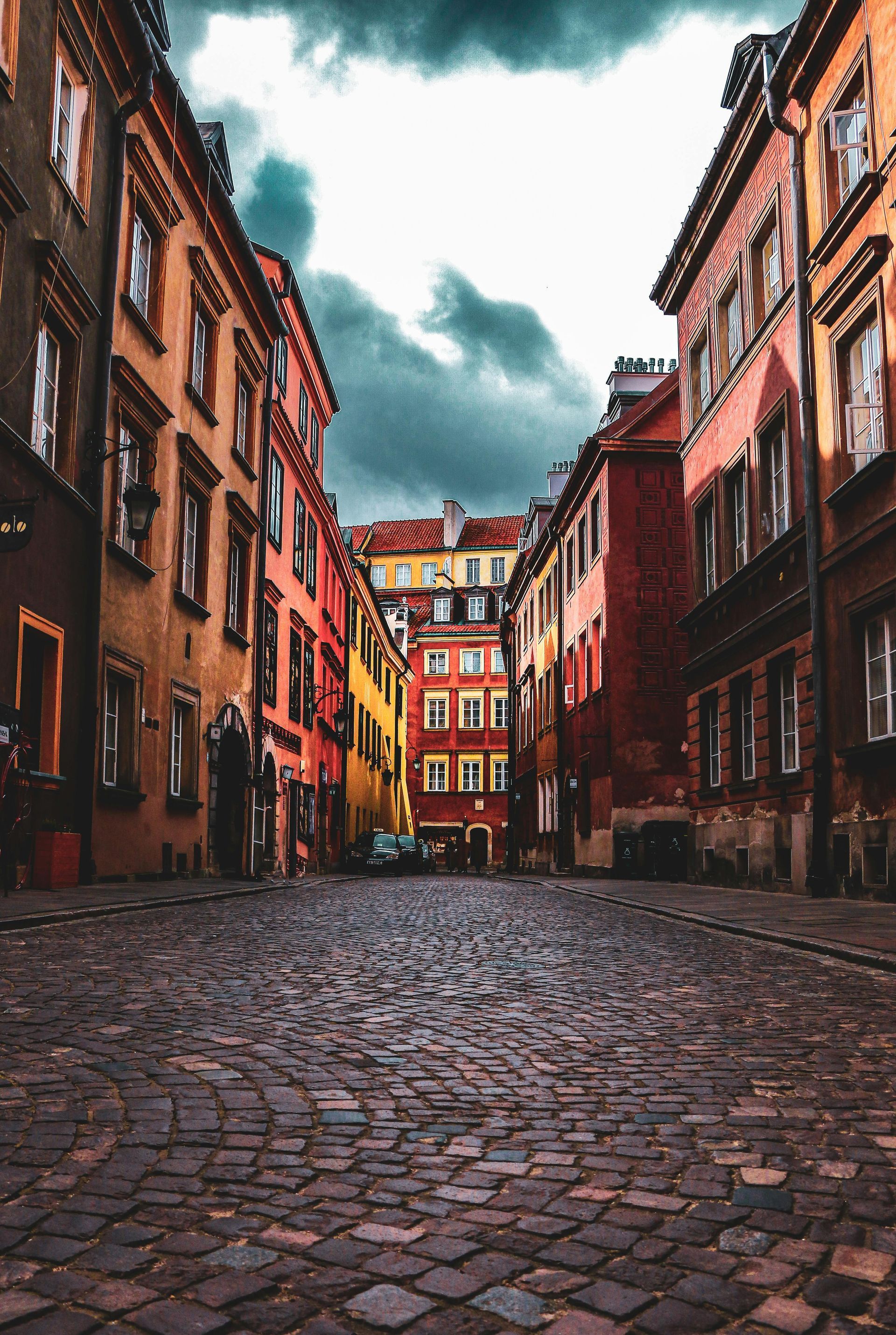
Poland is a country where medieval cities, dramatic history, natural beauty, and modern culture come together. Located in Central Europe, Poland offers travelers an affordable, safe, and richly rewarding experience—from fairy-tale old towns and UNESCO World Heritage sites to mountain trails, Baltic beaches, and vibrant nightlife. Poland has developed strongly economically in the last decade. It’s Europe’s fifth largest populated country and has a very solid manufacturing industry. Particularly food processing as well as packaging and there are many small & midsized logistical companies. Tourism is on the rise but still lagging behind the Czech republic or Austria. Poland is part of the European Union and the Schengen Area , making it easy to combine with trips to neighboring countries like Germany, Czechia, Slovakia, and Lithuania. Summer tends to be the favorite time to visit the country. Best Time to Visit Spring (April–June): Mild weather, blooming parks, fewer crowds Summer (July–August): Warmest season, festivals, outdoor cafés (busiest time) Autumn (September–October): Beautiful fall colors, cooler temperatures Winter (December–February): Snowy landscapes, Christmas markets, ski season in the south Ideal for most travelers: May–June or September Top Destinations Kraków – Cultural Capital One of Europe’s most beautiful historic cities. Especially in summer it’s very welcoming and pleasant although it can be hot. It tends to be very touristy as well. Use Guruwalk or Getyourguide to book walking tours and learn more about the city. Highlights: Rynek Główny (Europe’s largest medieval square) Wawel Castle and Cathedral Kazimierz (historic Jewish Quarter) Nearby Auschwitz-Birkenau Memorial Wieliczka Salt Mine (UNESCO site) Best for: History lovers, culture, architecture Warsaw – Modern & Historic Poland’s capital blends resilience and reinvention. The city has developed a lot in the past decade and is no longer very affordable - but there’s a rich, diverse restaurant offering. Highlights: Old Town (meticulously reconstructed after WWII) Royal Castle Łazienki Park & Palace on the Water POLIN Museum of the History of Polish Jews Thriving food, bar, and music scenes Best for: Museums, modern culture, city life Gdańsk – Baltic Beauty A colorful port city with maritime heritage. Highlights: Long Market (Długi Targ) Neptune’s Fountain Amber Museum WWII Museum Nearby beaches in Sopot and Gdynia (Tri-City area) Best for: Coastal charm, history, relaxed pace Zakopane & Tatra Mountains Poland’s mountain escape near the Slovak border. Highlights: Hiking in Tatra National Park Morskie Oko alpine lake Traditional wooden architecture Skiing in winter Highland (Górale) culture and food Best for: Nature, hiking, skiing Wrocław – City of Bridges & Dwarfs A lively city with a whimsical side. It’s also a large student university city with a very low unemployment rate. This is also thanks to several multinational companies having set up activities near the city. It’s well connected to Berlin and Prague. Highlights: Market Square Ostrów Tumski (Cathedral Island) Over 100 small dwarf statues hidden around the city Vibrant student atmosphere Best for: Photography, nightlife, charm Poznań – Birthplace of Poland Historic and youthful. Highlights: Renaissance Old Town Town Hall goats show at noon Strong food scene Important early Polish history Natural Attractions Białowieża Forest: Europe’s last primeval forest, home to wild bison Masurian Lake District: Kayaking, sailing, peaceful countryside Baltic Sea Coast: Sandy beaches, dunes (Łeba, Świnoujście) Ojców National Park: Cliffs, caves, castles near Kraków Polish Cuisine: What to Eat Polish food is hearty, comforting, and flavorful. Must-try dishes: Pierogi (dumplings) Bigos (hunter’s stew) Żurek (sour rye soup) Kotlet schabowy (breaded pork cutlet) Gołąbki (stuffed cabbage rolls) Oscypek (smoked mountain cheese) Desserts: Pączki (Polish doughnuts) Sernik (cheesecake) Makowiec (poppy seed cake) Drinks: Polish vodka (Żubrówka, Chopin) Craft beer (rapidly growing scene) Getting Around Transportation Trains: Reliable, affordable, extensive network. The fast train between Krakow and Warsaw is a breeze and very convenient. Buses: Often cheaper, good for smaller towns. The connections with Flixbus between the major cities are excellent and affordable. Domestic Flights: Limited but useful for long distances Car Rental: Ideal for countryside exploration Cities Walkable city centers Excellent public transport (trams, buses, metro in Warsaw) Costs & Budget Poland is one of Europe’s best-value destinations . Approximate daily budget: Budget traveler: €40–60 Mid-range traveler: €70–120 Luxury traveler: €150+ Meals, accommodations, and attractions are generally cheaper than Western Europe. Language & Communication Language: Polish English widely spoken among younger people and in tourist areas Learning basic phrases is appreciated: Dzień dobry – Hello Dziękuję – Thank you Proszę – Please / You’re welcome Safety & Practical Tips Very safe for travelers Watch for pickpockets in crowded tourist areas Currency: Polish Złoty (PLN) (not Euro) Cards widely accepted Tipping: Optional but appreciated (5–10%) Cultural Etiquette Dress modestly in churches Remove hats indoors Poles may seem reserved initially but are warm and helpful Respect historical sites, especially WWII memorials In short, why Visit Poland? Poland offers: Deep and moving history Stunning architecture Diverse landscapes Authentic culture Excellent value for money
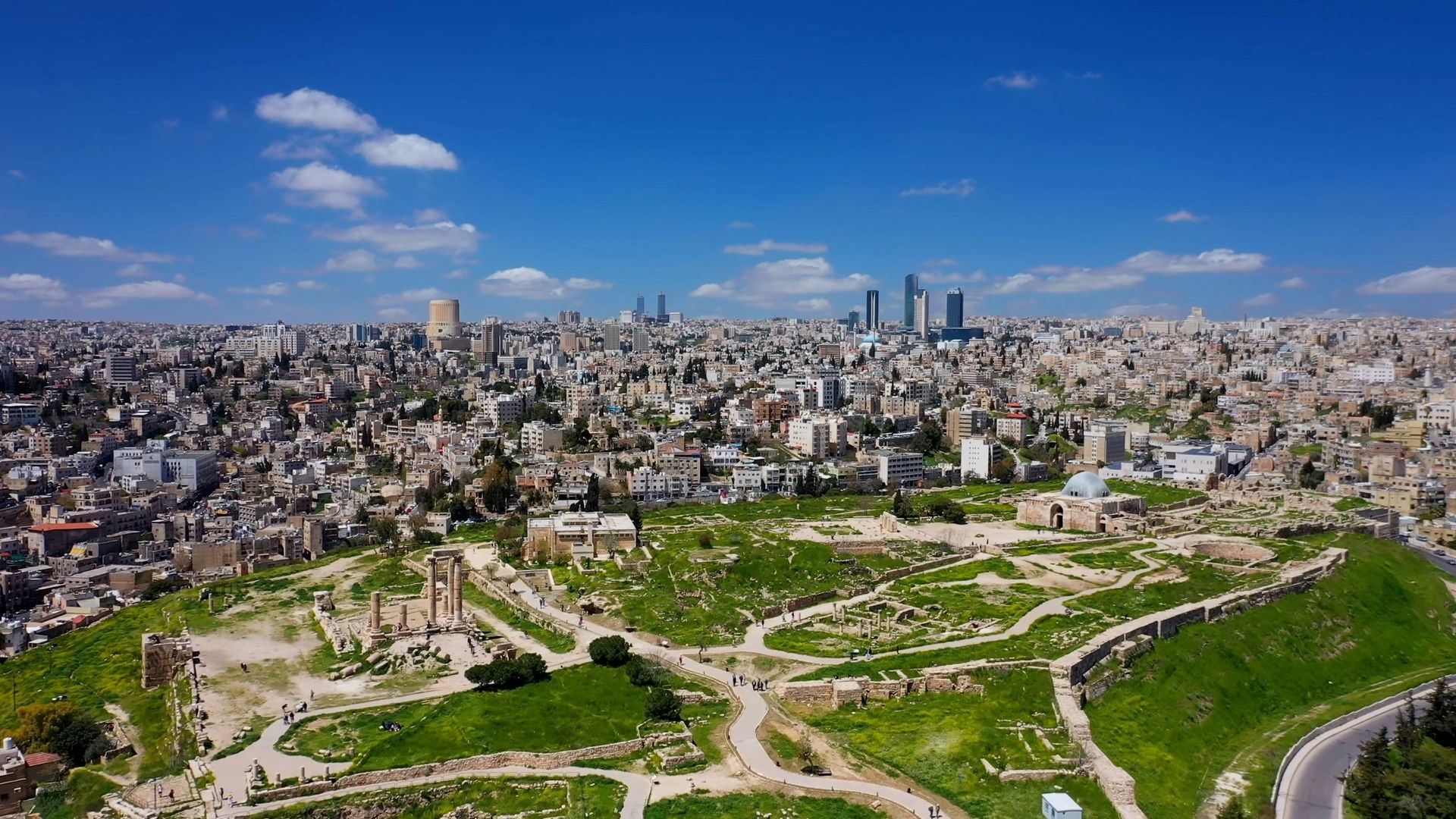
Jordan is a captivating Middle Eastern gem that blends ancient history, stunning natural landscapes, and warm hospitality. From the rose-red city of Petra to the otherworldly deserts of Wadi Rum and the buoyant waters of the Dead Sea, it's a destination that rewards adventurers, history buffs, and relaxation seekers alike. With a rich cultural tapestry influenced by Nabateans, Romans, and Bedouins, Jordan offers immersive experiences like hiking ancient trails, floating in mineral-rich seas, or savoring aromatic spices in bustling souks. As of late 2025, tourism is rebounding strongly, with improved infrastructure and eco-friendly initiatives in places like the Dana Biosphere Reserve. This guide covers everything you need for a memorable trip, including practical tips on arrival and navigation.
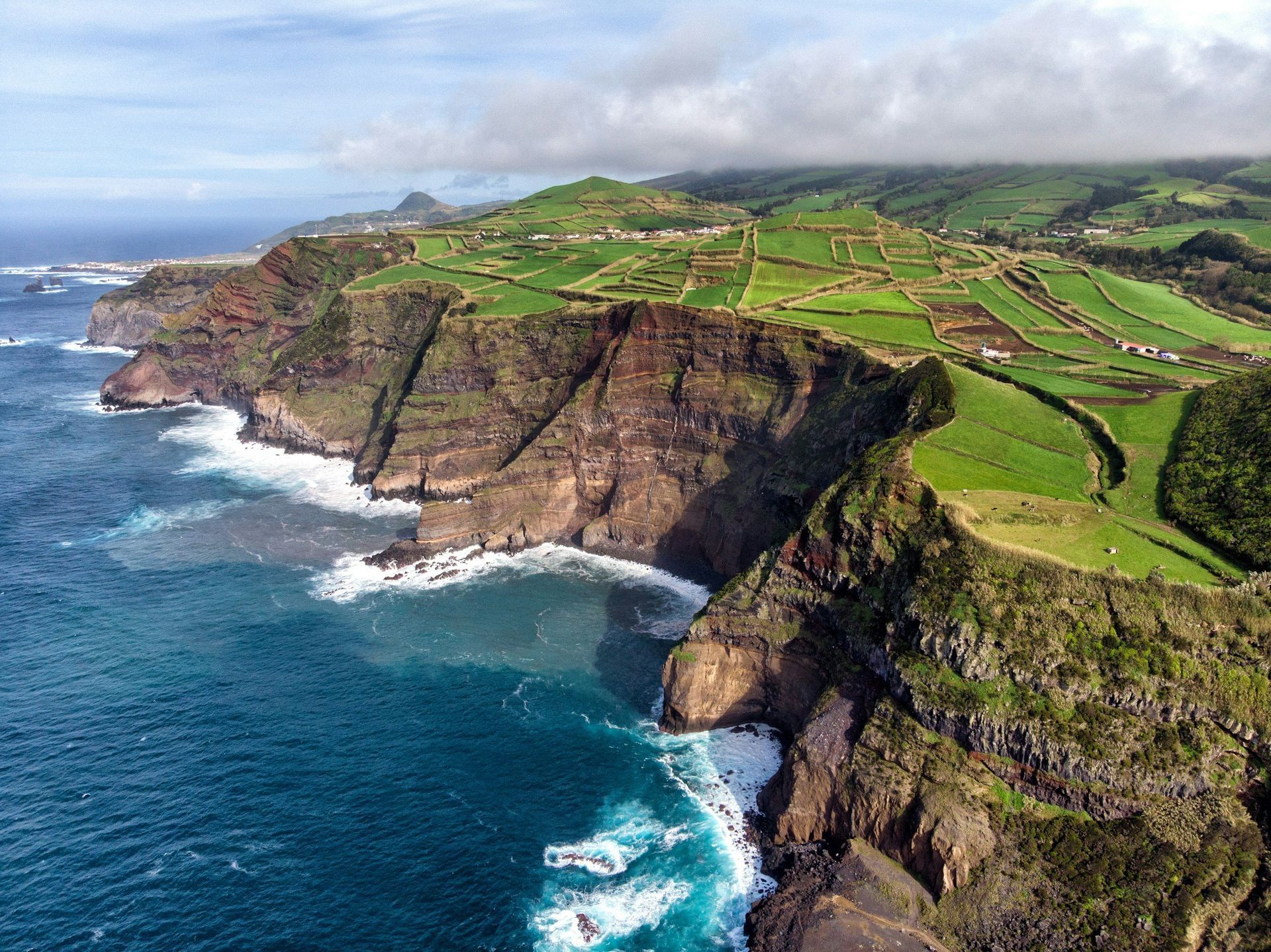
The Azores , an autonomous region of Portugal , is a stunning archipelago of nine volcanic islands scattered in the mid-Atlantic Ocean, about 1,500 km west of Lisbon and roughly 2,400 km from New York. Often called the "Hawaii of Europe" for its dramatic landscapes, lush greenery, crater lakes, hot springs, and volcanic peaks, the islands offer a mix of adventure, relaxation, and cultural immersion. Divided into three groups—Eastern (São Miguel, Santa Maria), Central (Terceira, Pico, Faial, São Jorge, Graciosa), and Western (Flores, Corvo)—each island has its own unique character, from São Miguel's verdant hills and tea plantations to Pico's towering volcano and UNESCO-listed vineyards. With a mild subtropical climate, biodiverse ecosystems (including 10% protected reserves), and activities like whale watching, hiking, and thermal bathing, the Azores appeal to nature lovers, hikers, and eco-tourists seeking an off-the-beaten-path European destination.
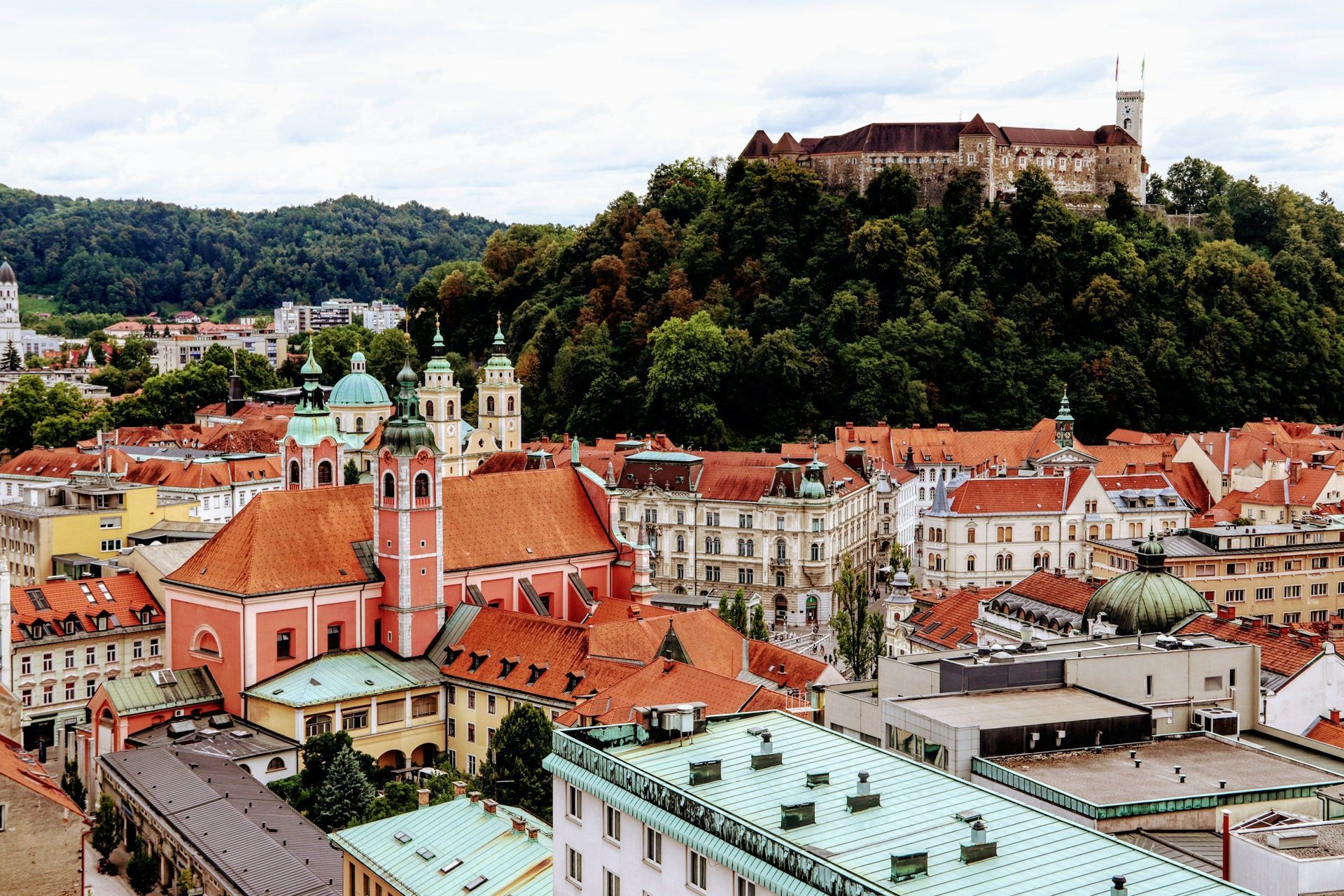
Slovenia , a compact European gem nestled between the Alps, the Adriatic Sea, and the Pannonian Plain, offers a diverse mix of stunning landscapes, vibrant cities, and rich cultural heritage. Bordering Italy, Austria, Hungary, and Croatia, it's known for its emerald rivers, alpine peaks, medieval towns, and UNESCO-listed sites. With a population of about 2 million, Slovenia is eco-friendly, safe, and affordable, making it ideal for nature lovers, adventure seekers, and cultural explorers. Its capital, Ljubljana, blends historic charm with modern vibrancy, while highlights like Lake Bled and the Soča Valley showcase its natural beauty. As of 2025, tourism continues to grow, emphasizing sustainable practices. The country is obsessed with sports, exercising in the great outdoors is very much a national hobby. And who doesn’t know world’s greatest cyclist Tadej Pogacar? He learned the ropes in his mountainous home country. Soccer and ski jumping are also popular. For visitors hiking is lovely and there’s so many trails in the forests or higher up in the Julian Alps.
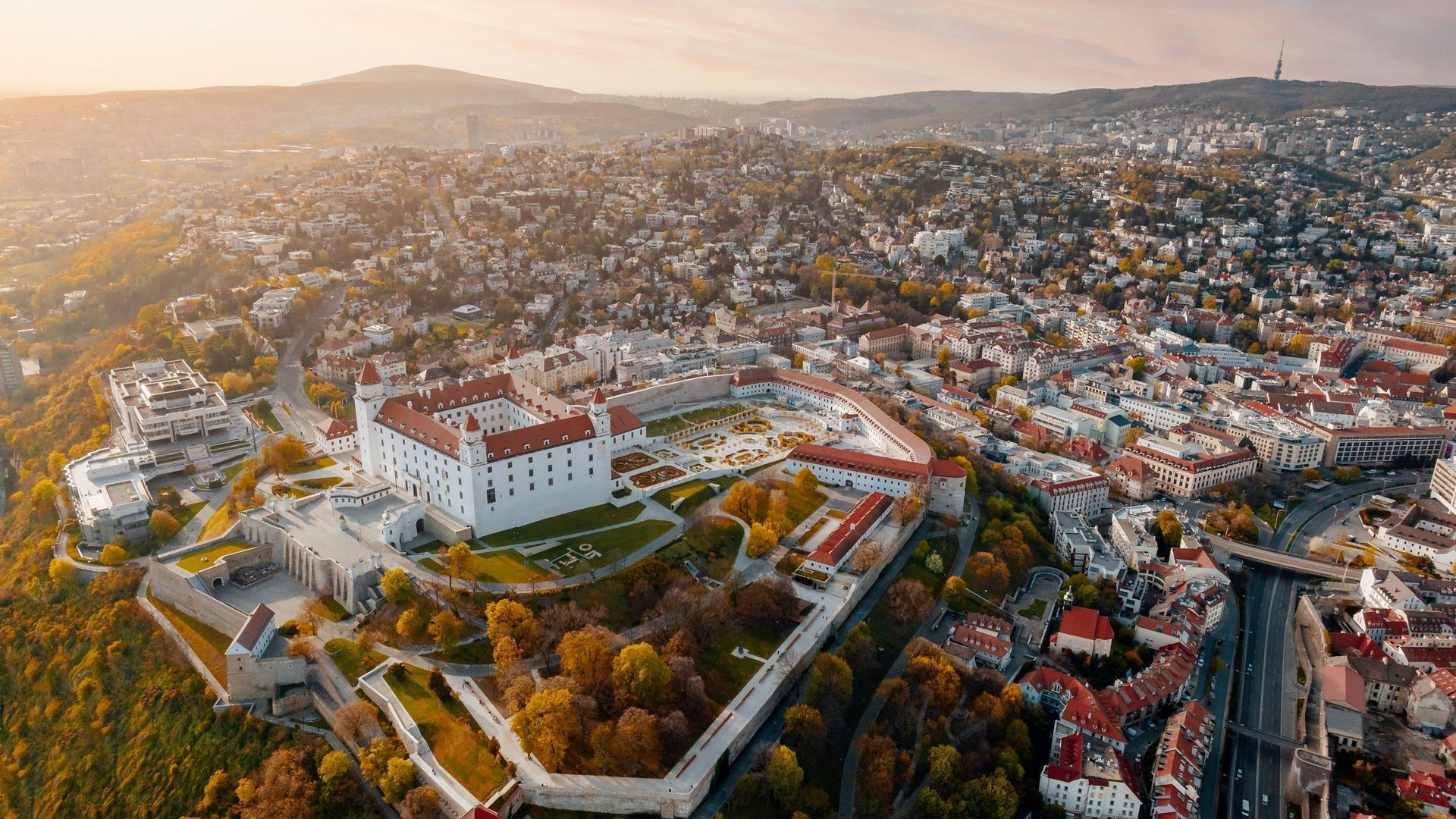
Slovakia , a landlocked nation in Central Europe, is renowned for its dramatic mountainous landscapes, medieval castles, and rich history influenced by various empires. With a population of about 5.4 million, it shares borders with Poland, Ukraine, Hungary, Austria, and the Czech Republic. The capital, Bratislava , sits on the Danube River and serves as a gateway to the country's diverse attractions, from the High Tatras mountains to UNESCO-listed sites like Spiš Castle. Despite its proximity to popular destinations like Vienna and Budapest, Slovakia remains relatively undiscovered by mass tourism, offering affordable adventures, hiking opportunities, and cultural experiences without the crowds. It's an ideal spot for nature lovers, history buffs, and budget travelers. Bratislava (formerly known as Pressburg) is well connected by train and has an airport. Daily train service between Prague and Budapest passes by and is reliable and fast. Many locals commute to (well paying) jobs in Vienna which is just 30-45 minutes away - and of course has an airport to from which to start a journey into Slovakia. The country shares much of its historical - cultural past with Czech Republic which is very much seen as brother nation. The formerly Czechoslovakia was a real industrial powerhouse in the early 20th century. One of the earliest and largest shoe manufacturers in the world - Bata - was founded there. Today Slovakia is home to many car manufacturing plants.
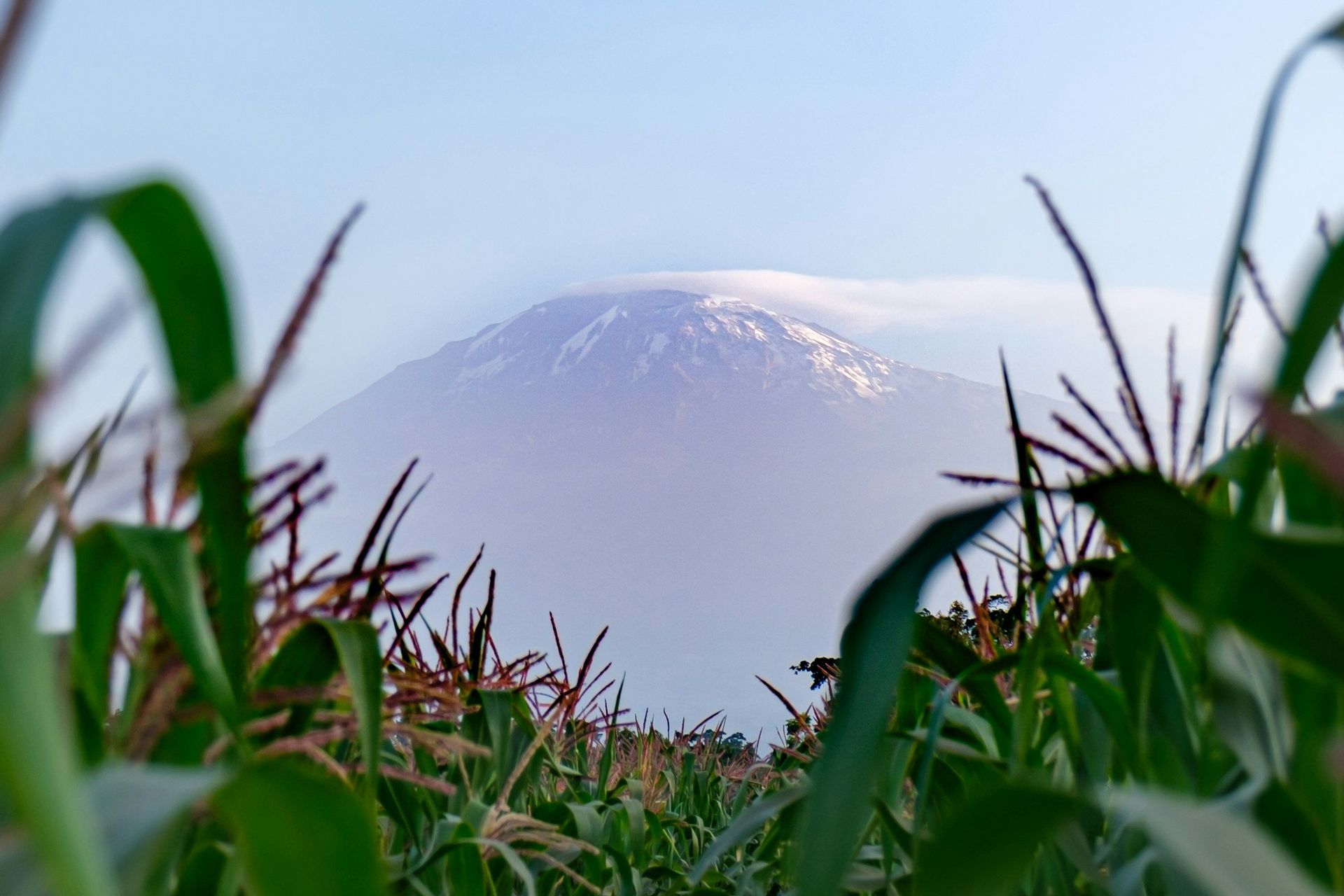
It is early afternoon when we arrive at our camp at the foot of the sharp and high Mawenzi peak (5,100m). Almost as high as Kilimanjaro itself, this peak is virtually inaccessible and differs in every aspect from its big brother 10 km away; sharp, narrow, and without snow/glaciers. It is a beautiful spot to set up the tent camp, there is a small local stream of water, and the place is somewhat sheltered from the cold wind. It is day three, and the group of 15 people is still complete. Beforehand, during the briefing, we were not very enthusiastic; it seemed much less spontaneous and free than the Mount Meru climb a few days earlier. Much more commercial and structured. Moreover, it quickly becomes clear that we are the only 'non-native speaker' in the group, which otherwise consists of an American family of six, an American couple, two English couples, and three solo travelers including us. Mostly adventure-oriented tourists rather than pure athletes or mountaineers. Although it would later turn out that almost everyone had prepared fairly well and trained as much as possible. During the briefing, the route is roughly discussed, clothing and materials are reviewed, and we settle up for the borrowed sleeping bag and clothing items. Before even one step is taken, we get a letter shoved under our noses indicating the usual tip after completing the trip.
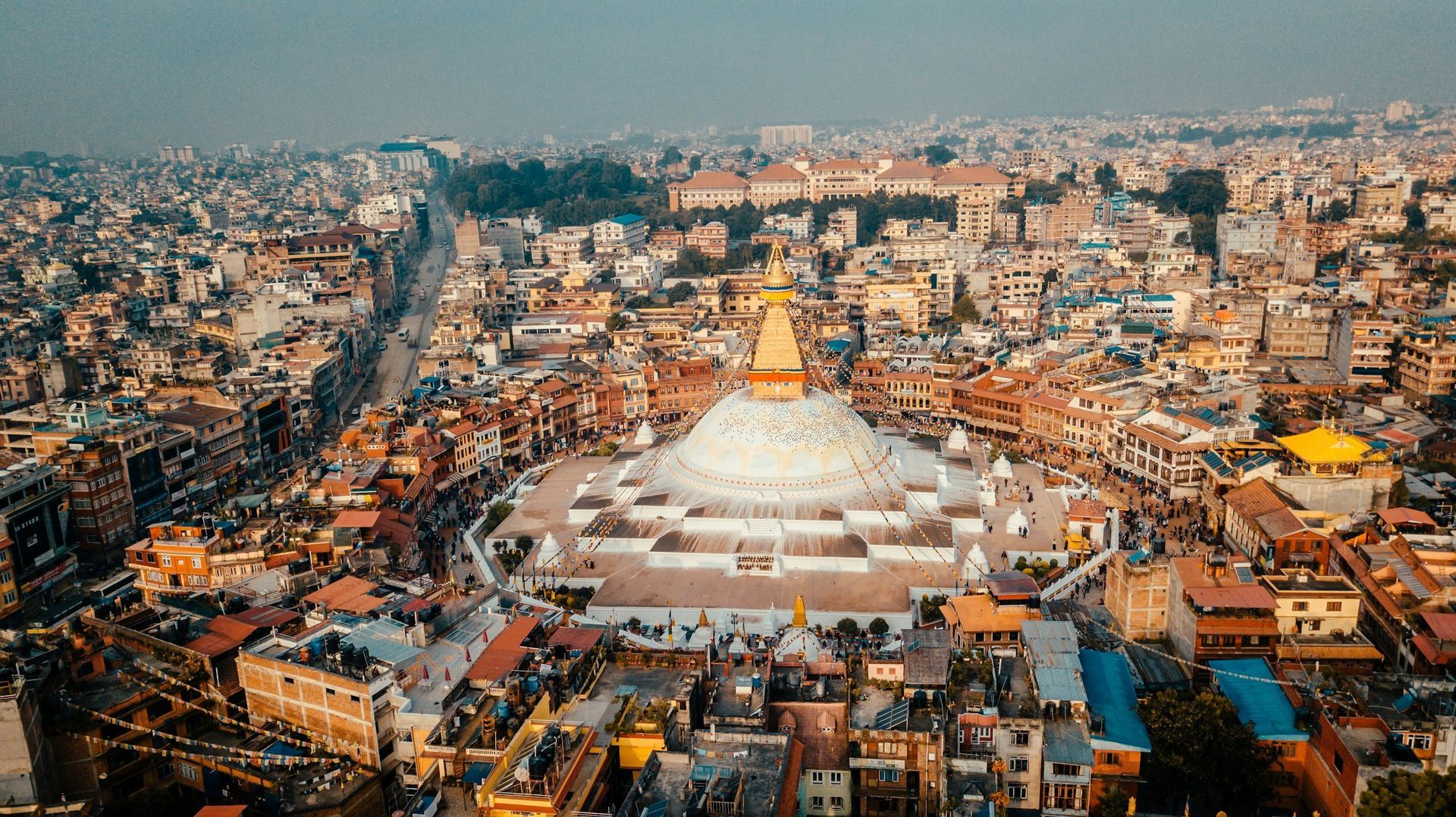
The time and place for working out this travel report is after completing the trek in Pokhara , a touristy 'lakeside' spot south of the Himalayan mountain range. In the seventies, it was still the end station for many a hippie after an 'Asia overland tour'; now there are many hotels and tourist shops, but weed and mushrooms remain available. Normally, we would leave these places within a few hours—it's also tropically warm with a heavy downpour every afternoon. However, now it's a delightful stopover with what was sorely missed after nearly ten intensive days in the mountains: good coffee and internet. On one hand, it's nice to be completely cut off; on the other, we notice how dependent we become on a connection to the outside world—we can hardly do without the news and developments. Good coffee needs no further explanation.
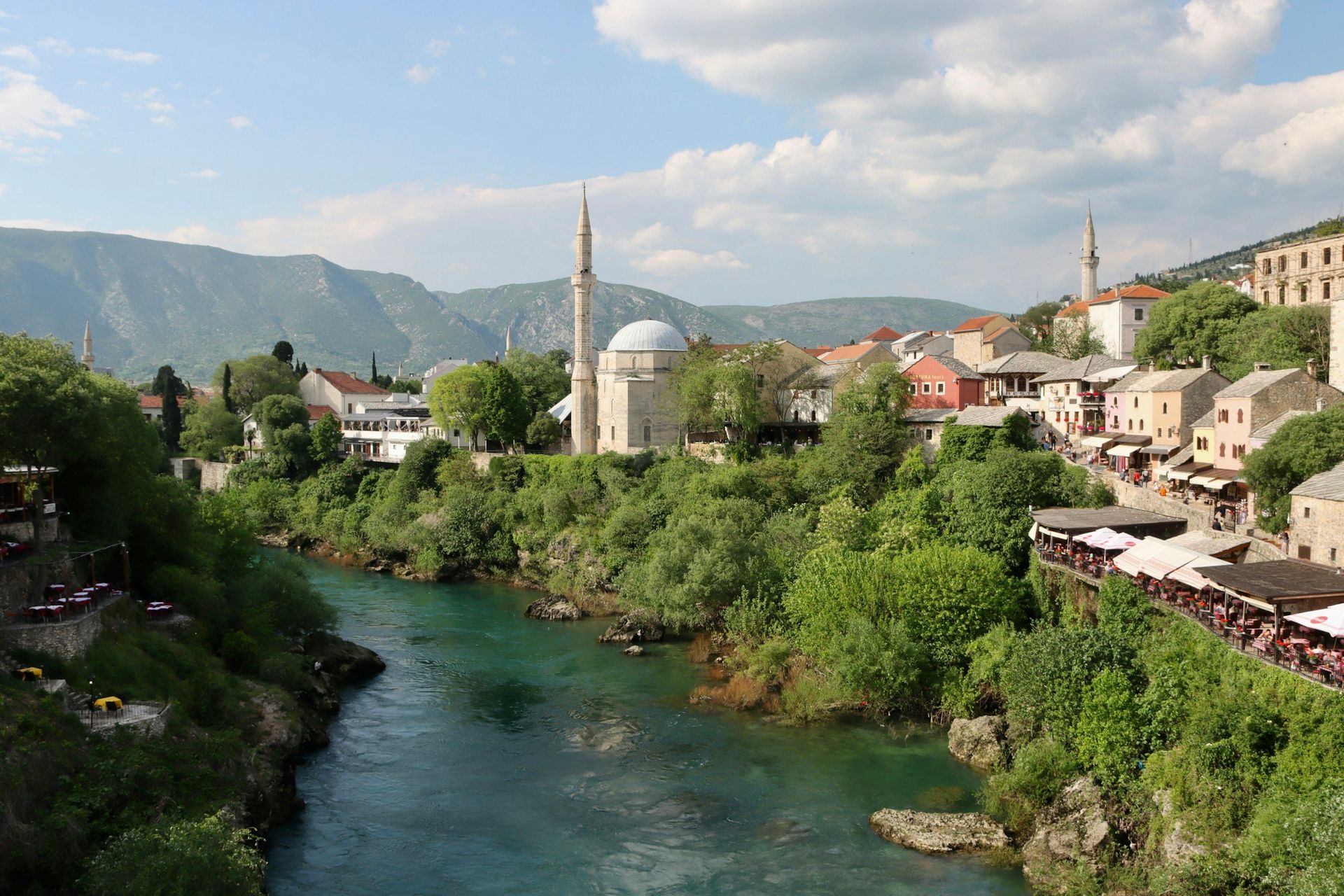
Bosnia and Herzegovina (often simply called Bosnia) is a hidden gem in the Balkans, blending Ottoman, Austro-Hungarian, and Slavic influences into a rich cultural tapestry. This triangular-shaped country, bordered by Croatia, Serbia, and Montenegro, boasts stunning landscapes from rugged mountains and emerald rivers to medieval towns and Ottoman architecture. It's known for its resilient history, including the 1990s war, but today it's a welcoming destination for history geeks, nature lovers, and adventure seekers. With (very) affordable prices, friendly locals, and fewer crowds than neighboring Croatia, Bosnia offers an authentic European experience. The capital, Sarajevo , is a vibrant mix of East and West. Somewhat laidback for a capital but the city has a fascinating history to tell. Surround by mountains that offer good hiking options. Skiing in winter is very much possible. Places like Mostar showcase iconic bridges and turquoise waters. It can be quite touristy year round with tourists coming in from Montenegro, the Croatian coast and of course Sarajevo. Expect diverse experiences, from hiking in national parks to savoring cevapi (grilled sausages) in bustling bazaars.
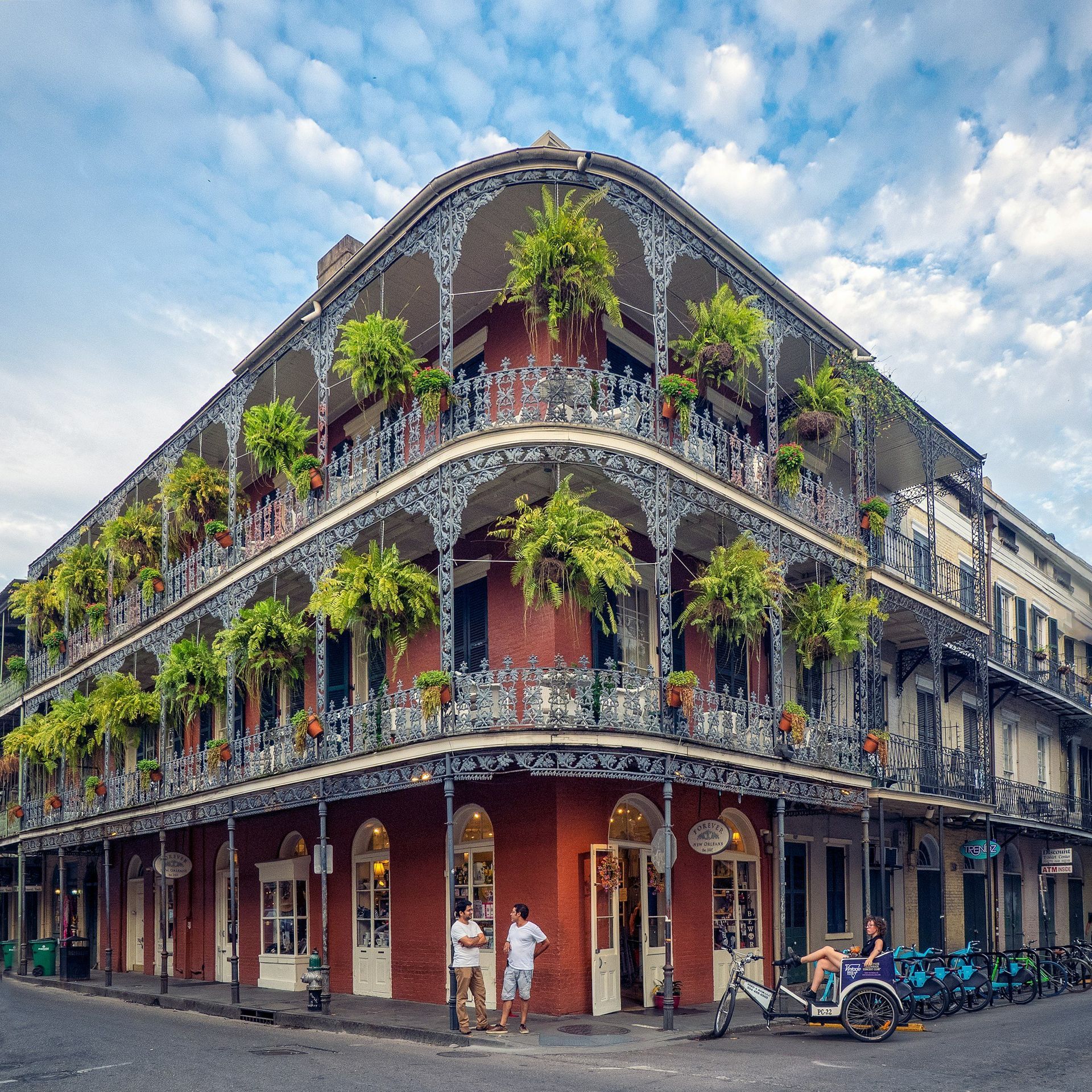
We venture into New Orleans, and right away, we're struck by how pricey this gem of Louisiana can be! If this sets the tone for the rest of the United States, we're in for a surprise—prices here often eclipse those back in Europe. Imagine shelling out nearly $14 for a single 700-gram passion fruit (that's pitaya to some) at Whole Foods.
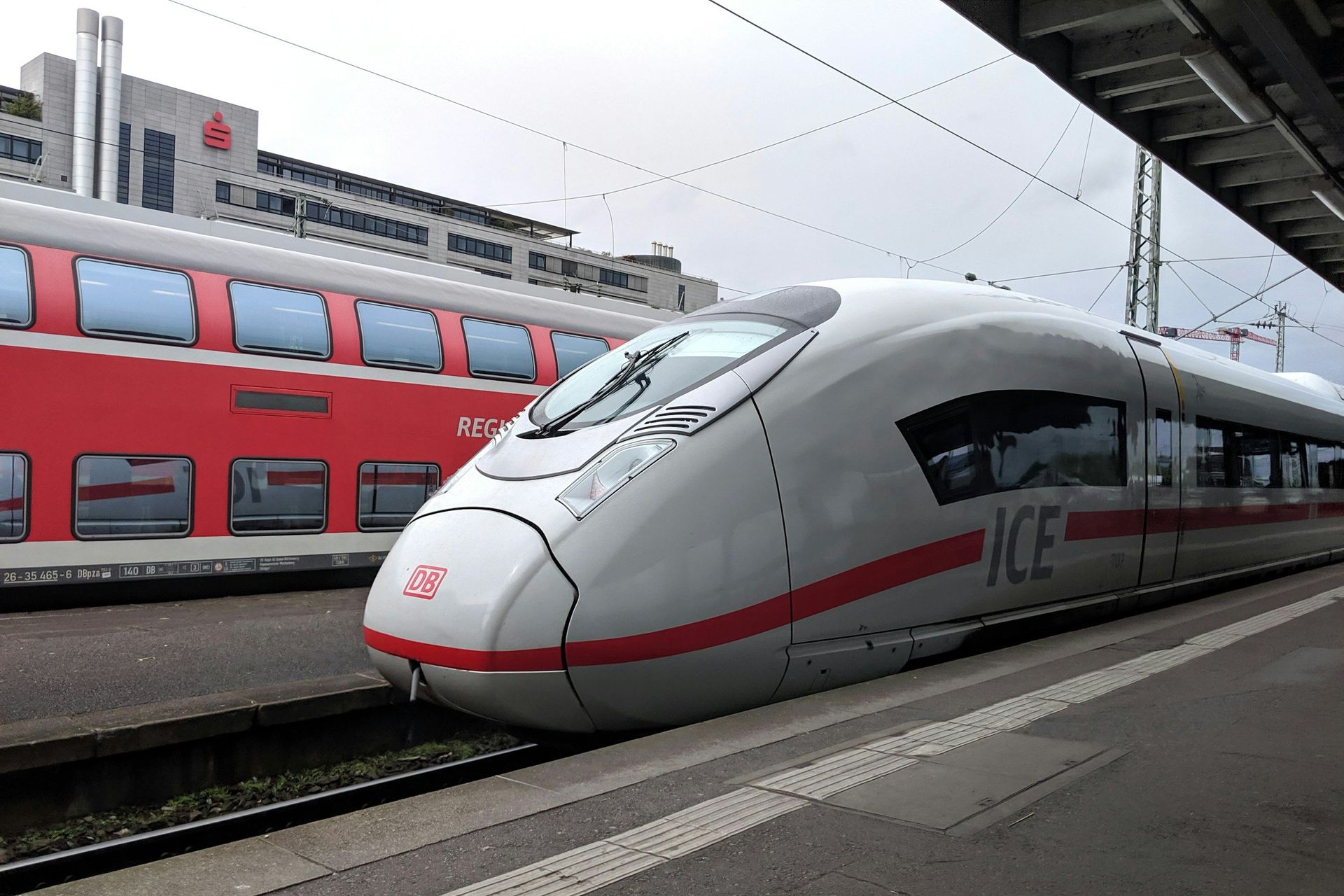
If you want to slow down, skip the airport hassle, and watch postcard landscapes roll past your window, there’s no better way to explore Europe than by train. With high-speed networks, scenic routes, and easy border crossings, rail travel is not only convenient—it’s one of the most rewarding ways to experience the continent.
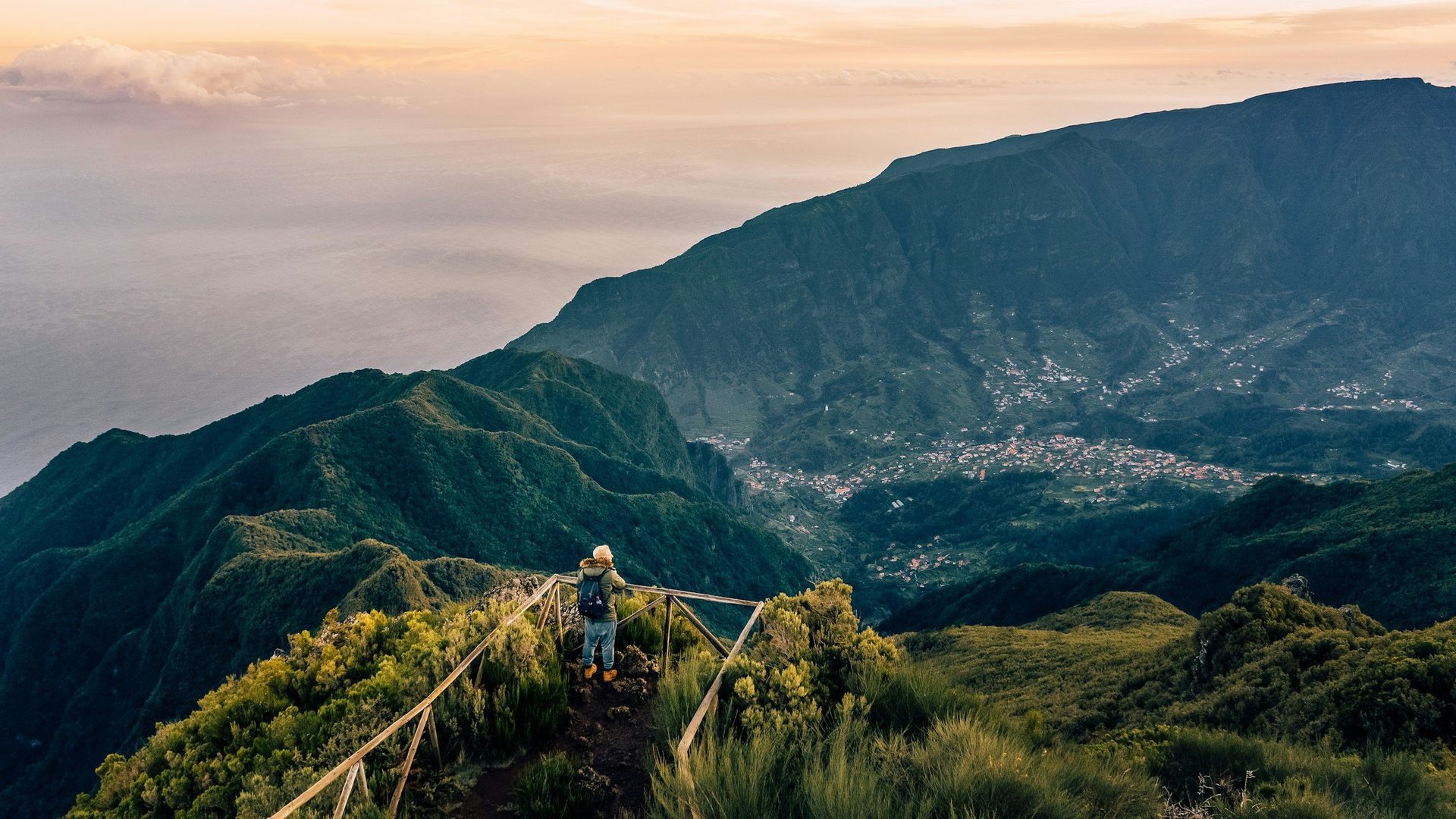
The Autonomous Region of Madeira - part of Portugal - stands as a singular entity in the Atlantic Macaronesia, a testament to both violent geological origins and centuries of strategic human adaptation. Located approximately 1,000 kilometers southwest of the Iberian Peninsula and 500 kilometers west of the Moroccan coast, the archipelago—comprising Madeira, Porto Santo, the Ilhas Desertas, and the Savage Islands—occupies a position of historical significance that transcends its physical size. To define Madeira merely as a "holiday island" is to overlook the complex interplay of topography, climate, and infrastructure that defines the visitor experience. It is a destination where the logistics of movement are inextricably linked to the quality of the travel experience; the very mountains that provide its spectacular scenery serve as the primary obstacles to its accessibility.

Albania is quietly shedding its image as an off-the-map, post-communist isolated backwater and becoming one of Europe’s most talked-about value destinations. Only a few decades ago, the country would criticize its fellow Warsaw pact members for not being enough communist (!) Nowadays, think turquoise coves and untamed mountains, Ottoman-era towns and archaeological parks — all at prices that still feel pleasantly reasonable compared with Western Europe. Below we give you a compact but detailed primer: a bit of recent historical/economic context that explains why Albania is changing fast, the must-see places, practical access and on-the-ground transport tips, and a sample itinerary so you can turn inspiration into a trip.
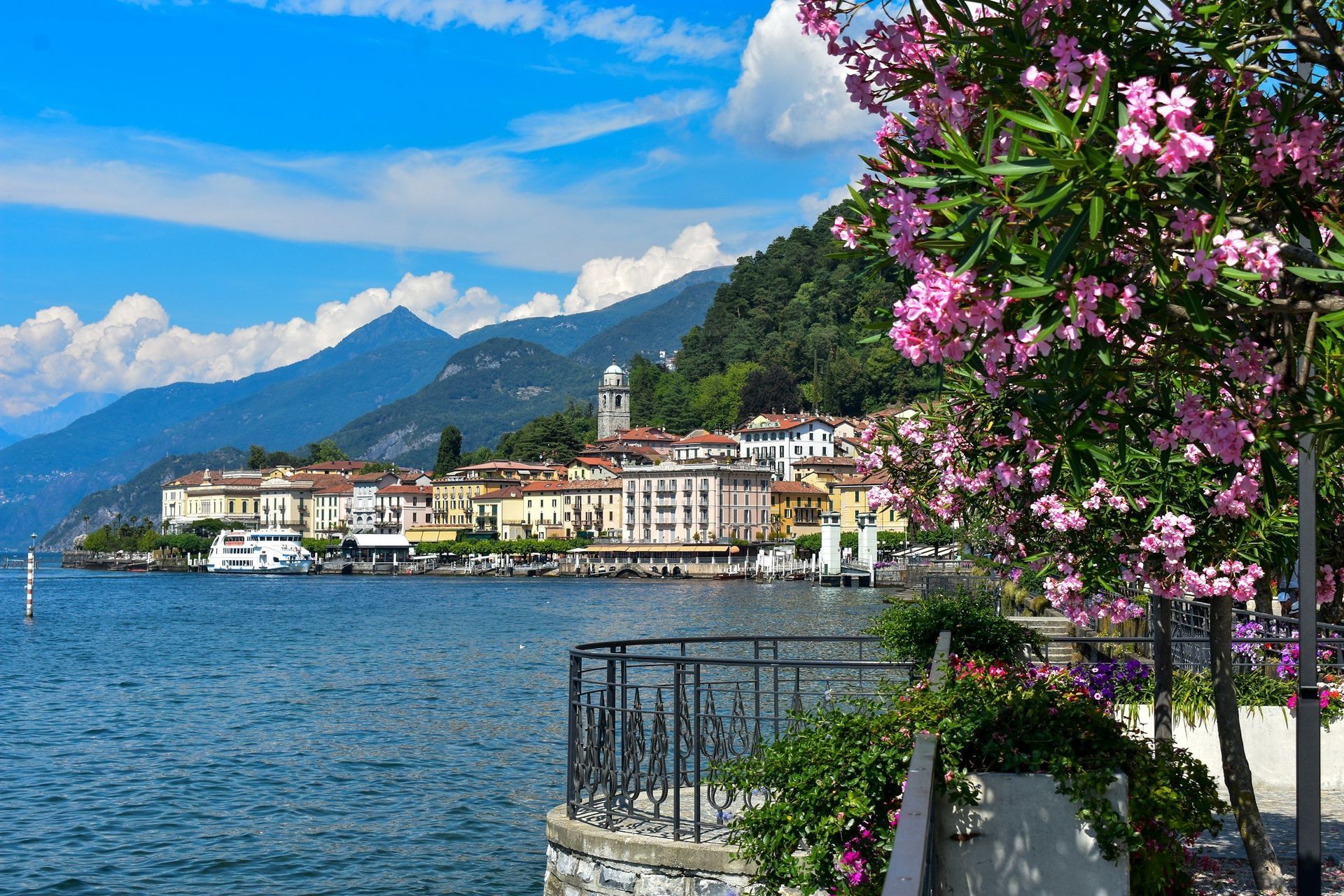
Milan, known as Milano in Italian, stands as one of Europe's most dynamic cities, blending ancient heritage with modern innovation. It’s Italy’s financial powerhouse. Situated in the heart of the Po Valley in Lombardy, northern Italy, Milan has long been a crossroads of cultures, empires, and ideas. From its Roman origins as Mediolanum—a key regional capital—to its role as a Renaissance powerhouse under the Sforza family and a center of the Risorgimento unification movement in the 19th century, Milan's history is deeply intertwined with that of northern Italy. Its strategic location, approximately 400 feet above sea level and nestled against the southern flanks of the Alps, positions it perfectly as a gateway to the region's diverse landscapes and historical treasures.
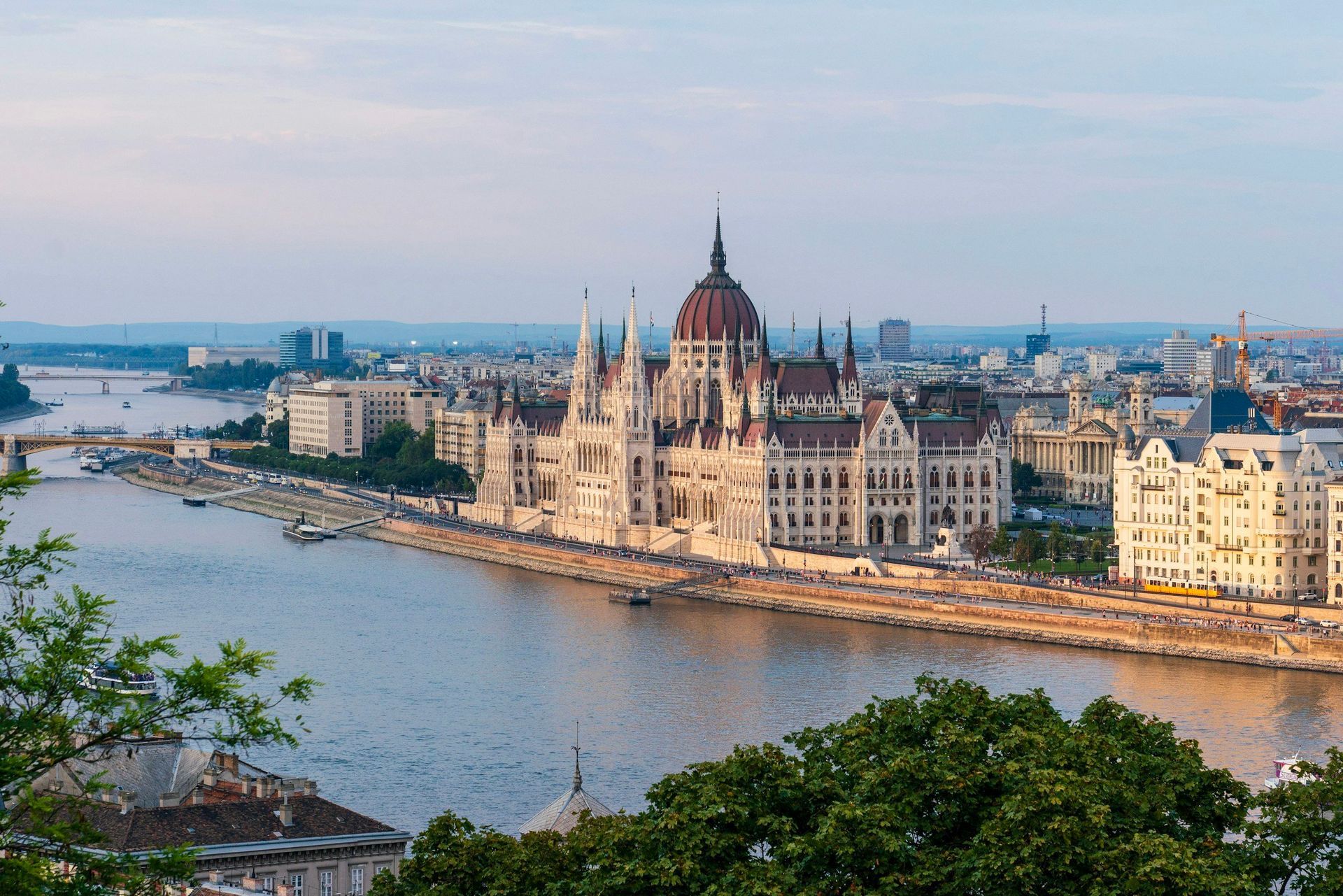
Below is a detailed, historically grounded travel guide to Budapest with a strong emphasis on the communist era (1945–1989). It blends context, on-the-ground sites, and practical guidance for travelers who want to explore the city through this lens. Budapest is a city layered with eras—Roman, Ottoman, Austro-Hungarian, interbellum, communist, and contemporary. The communist period (often described as the era of “Goulash Communism” during János Kádár’s rule) left profound architectural, cultural, and psychological marks. Today Budapest is a lively international and cosmopolitan city with 17 universities and thousands of international students from all over the world. The city center is well preserved and arguably one of the pretties in Europe. Tours through Viator , Getyourguide and Guruwalk tend to be of high standard, informative and fun. Also check out this website with 73 original things to do in Budapest
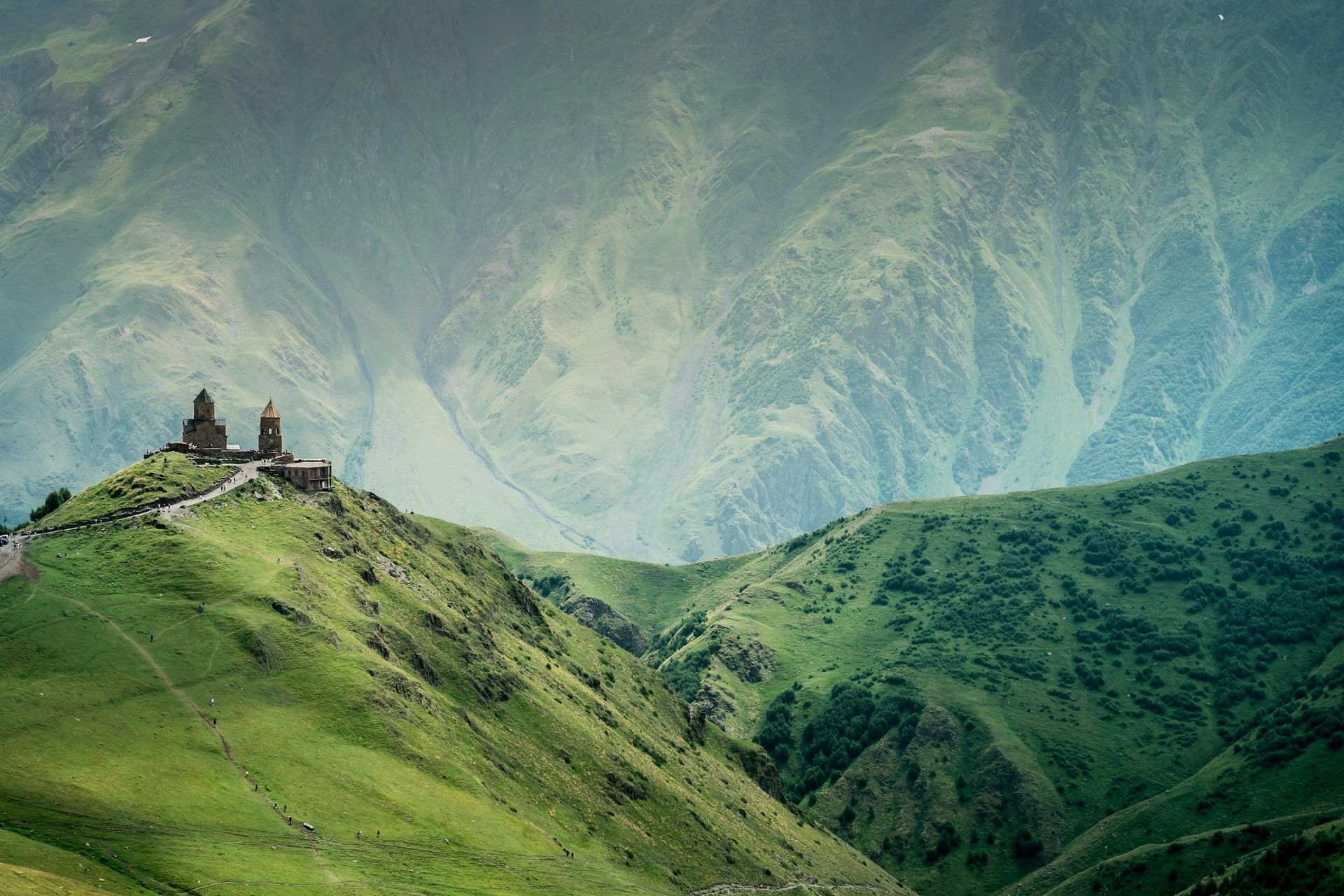
Nestled in the South Caucasus region Georgia and Armenia are two neighboring countries with intertwined histories and evolving economies. Both nations gained independence from the Soviet Union in 1991, marking a pivotal shift from centralized planning to market-oriented reforms. Historically, this region has been a crossroads of civilizations, influenced by Persian, Ottoman, Russian, and Byzantine empires, as well as ancient trade routes like the Silk Road. Economically, they've transitioned from Soviet-era heavy industry and agriculture to diversified sectors, with Georgia emphasizing tourism and services, and Armenia focusing on technology and remittances from its global diaspora. Together, they offer travelers a blend of ancient monasteries, rugged mountains, vibrant cities, and resilient communities adapting to global markets. As of 2025, both countries are seeing tourism booms, with Georgia welcoming over 2.8 million international visitors in recent years—a 2.5% increase from 2023—contributing significantly to their GDPs.
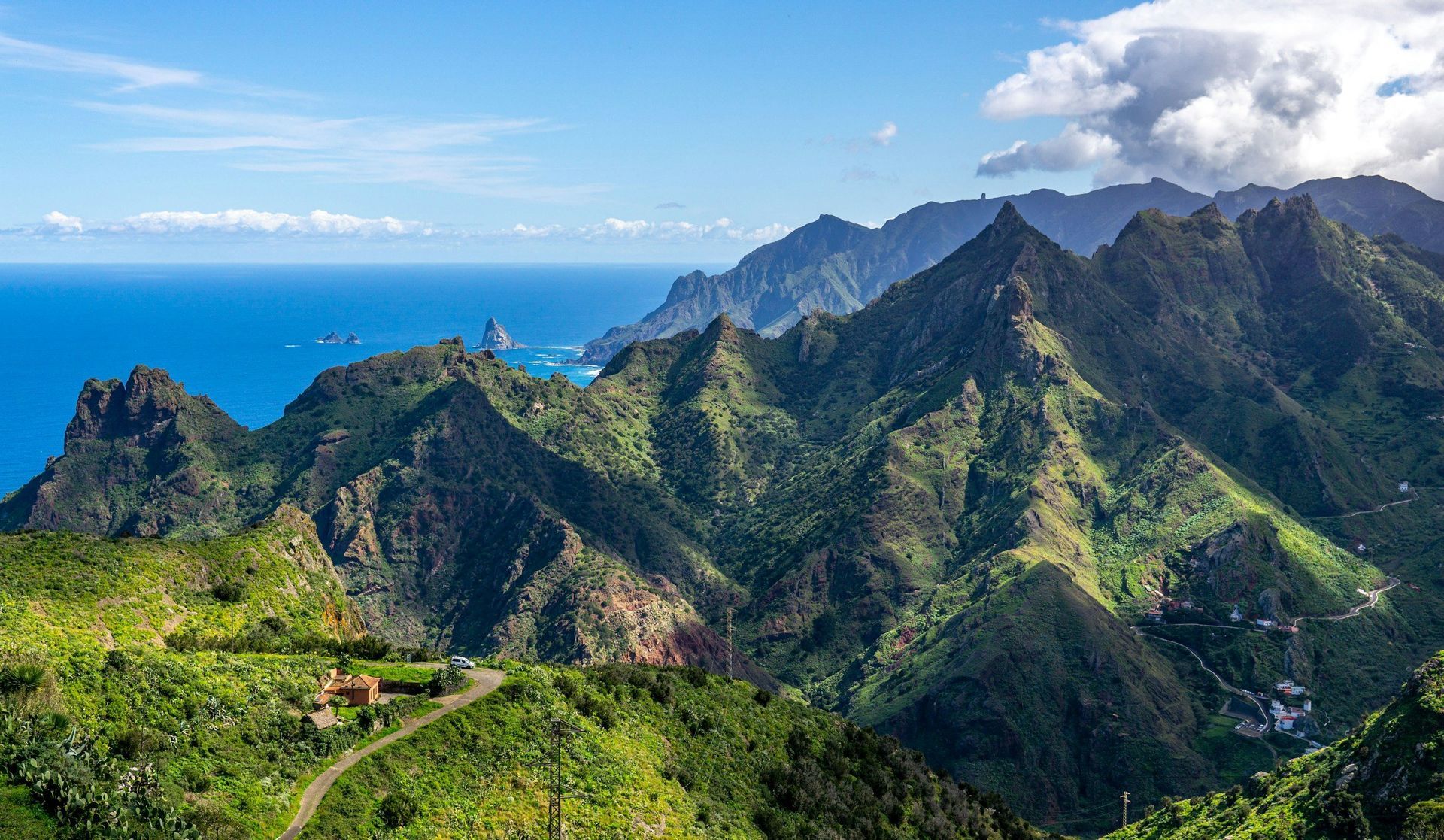
Northern Tenerife offers a lush, volcanic landscape that's a stark contrast to the sunnier, more tourist-heavy south. With misty cloud forests, dramatic coastlines, charming colonial towns, and black-sand beaches, it's ideal for nature lovers, hikers, and those seeking authentic Canarian culture. The region is cooler and greener due to trade winds, making it perfect for outdoor activities year-round. Key hubs include Puerto de la Cruz and Santa Cruz de Tenerife , with easy access to UNESCO sites and national parks. Our recommendation would however be to be based at San Cristóbal de La Laguna, commonly known simply as ‘Luguna’. It’s based strategically in the North with good access to the main points of interest. It’s also the first example of an unfortified town with a grid model that was the direct precursor of the settlements in the Americas under Spanish rule during the colonial times.
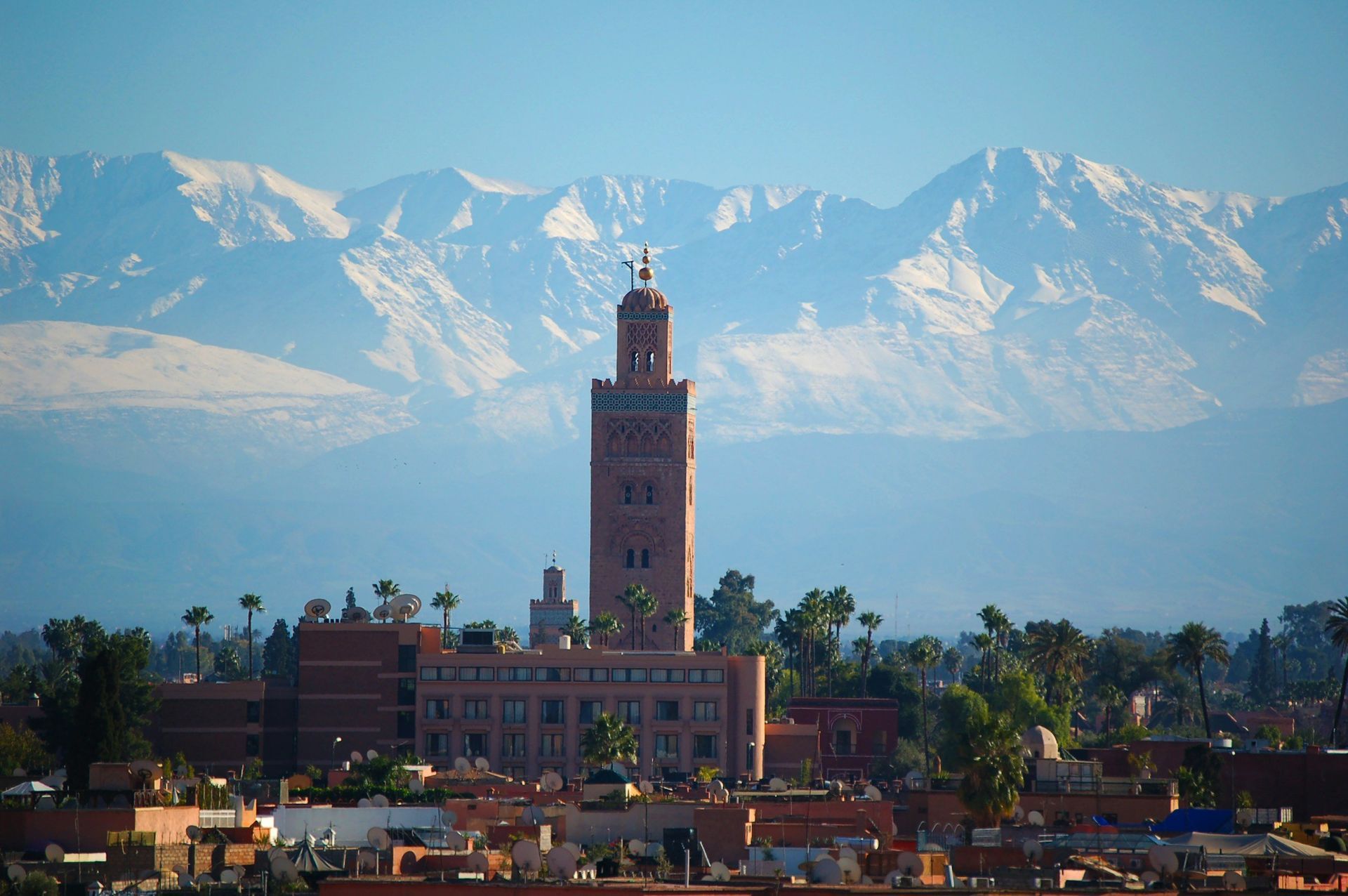
Marrakesh , the “Red City,” is Morocco’s most atmospheric destination—a vibrant blend of ancient medinas, fragrant souks, ornate palaces, and the snow-dusted Atlas Mountains rising just beyond the city’s edge. It combines deep tradition with modern comforts: luxury riads, cutting-edge restaurants, desert escapes, and adventure sports only an hour away. It is often said life plays out on the rooftops in this city. Nearly every riad (traditional house) has one and they all seem connected. Some of the rooftop restaurants at dusk are fantastic and during the day (most days are sunny) one has a clear view of the Atlas mountain range not further than 50 km away. In general good food tours, and guided excursions are bookable on GetyourGuide , Viator , Klook or Guruwalk
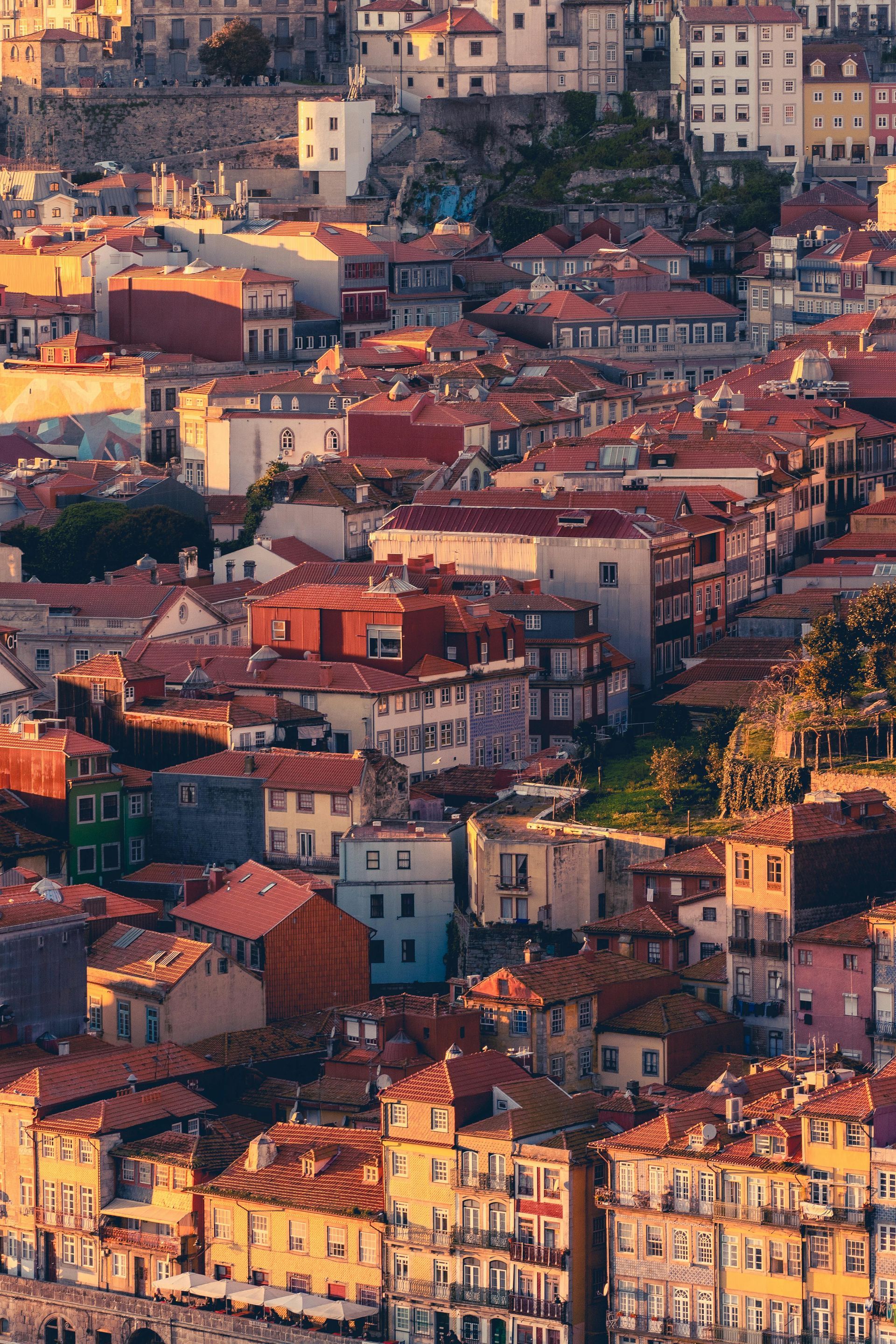
A mid-term stay in northern Portugal (primarily Porto, with visits to Guimarães, Coimbra, Sintra and Madeira ) offered a clear view of the current economic and social landscape. 1. Economic Context Portugal remains the lowest-income country in Western Europe. Average wages are comparable to several Central and Eastern European nations. The legacy of the Salazar era (1926–1974), with its focus on a rural, low-education economy, is still visible: in 1970 over 25 % of the population was illiterate, and many of today’s 50–70-year-olds have only primary or basic secondary education. The economy is dominated by micro and small enterprises (≤10 employees). EU structural funds are available but access is slowed by heavy bureaucracy. Entrepreneurs frequently describe a culture of caution: low risk appetite, cost control and preservation of existing assets take priority over rapid scaling. 2. Business Climate and Opportunities - Many small retail and service businesses (cafés, sandwich shops, fitness studios, beauty salons) are for sale at relatively low prices. - Commercial rents in secondary locations remain negotiable, but prime locations in Porto and Lisbon are under pressure. - Personal relationships are central. A three-hour lunch with multiple courses is still a standard way to build trust; Northern European expectations of 30-minute meetings are rarely met. - Food and beverage micro-producers (honey, almonds, granola, olive oil) are numerous, usually family-run and often linked to cooperatives that supply major supermarkets. Direct exports are rare because of small scale and language barriers. 3. Talent and Brain Drain Approximately one-third of university-educated Portuguese under 35 emigrate for better salaries (UK, Germany, Netherlands, Switzerland top the list). Companies in Portugal increasingly hire skilled workers from former colonies (Angola, Cape Verde, Guinea-Bissau, Brazil) and, more recently, from South Asia and North Africa. 4. Digital Nomad / Remote-Worker Impact High-earning remote workers are pushing rental and property prices up in Porto , Lisbon and parts of the Algarve. Local resentment is growing: average Portuguese household income makes it difficult for young families to compete for housing. Protests against “golden visa” investors and short-term lets (Airbnb) are now common in Lisbon and increasingly visible in Porto. Many young locals still live with parents until their early or mid-30s. 5. Cost of Living and Wages (2025–2026 indicative) - Minimum wage: ≈ €820 gross/month (14 payments) - Average net salary (private sector): ≈ €1,100–1,300/month - One-bedroom city-centre apartment (long-term rent, Porto): €900–1,400/month - Simple lunch menu (prato do dia): €8–12 - Fitness/padel session: €6–10 per person 6. Daily Business Culture Notes - Meetings often start 10–15 minutes late and include extensive small talk. - August remains a quiet month; many small companies close for 2–3 weeks. - English fluency is good in tech and tourism, limited elsewhere. - Cash is still widely used; MB Way (local mobile payment) is ubiquitous. 7. Positive Developments - Food waste recovery networks are well organised; supermarkets donate large volumes of near-expiry products to food banks. - Outdoor and wellness infrastructure (beach gyms, surf schools, padel courts) has expanded rapidly in Greater Porto. - Madeira continues to position itself as a year-round remote-work and outdoor destination with improving flight connections. Summary Portugal offers a high quality of life, welcoming people and relatively low entry costs for small businesses or lifestyle relocation. However, wage levels, bureaucracy and housing pressure created by remote workers and investors are real constraints. For companies or individuals considering a move, building local relationships and realistic expectations about pace and scale are essential.
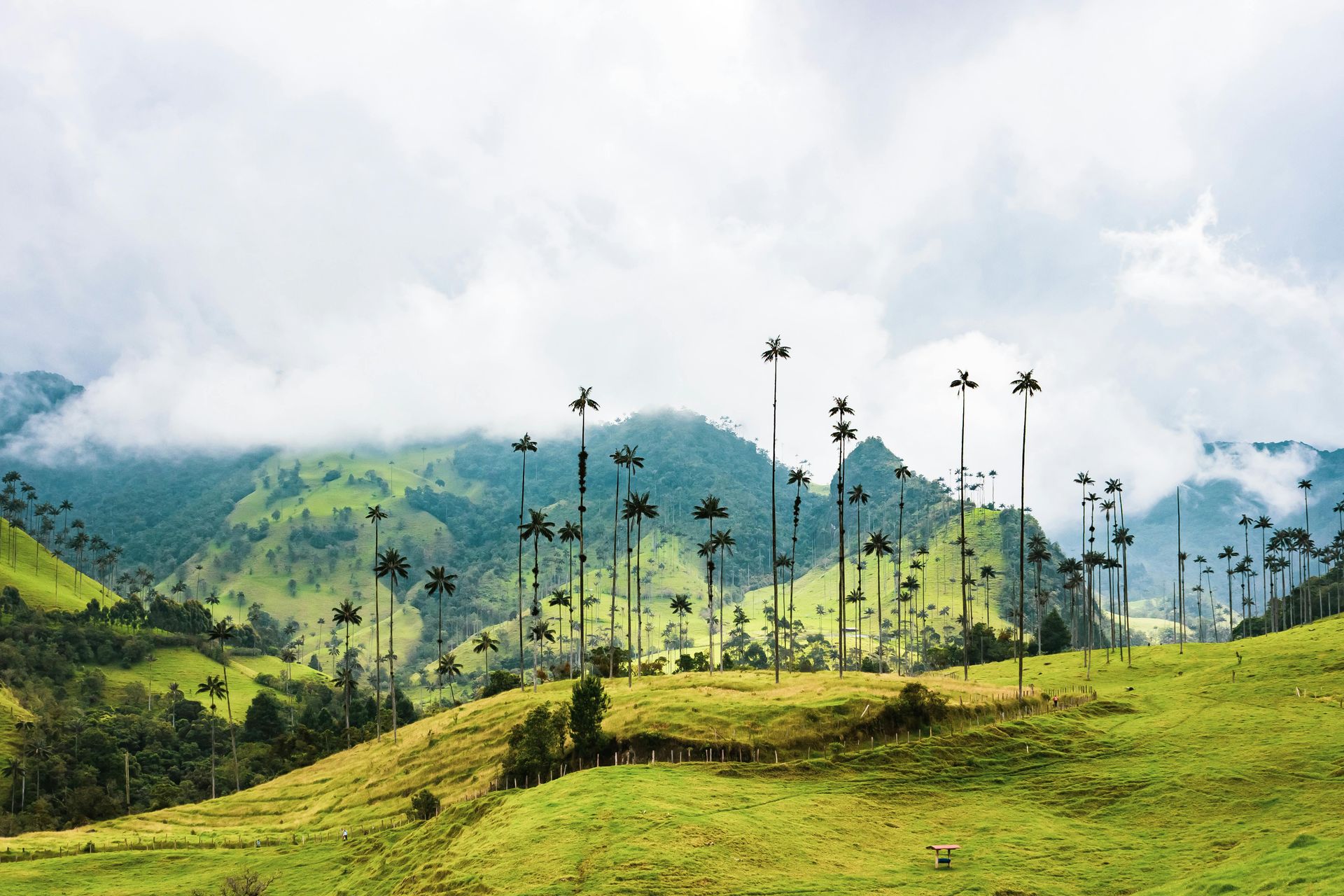
Colombia is geen land om tot rust te komen, tenzij je de jungle of bergen intrekt. Tien dagen Bogota en Medellín zuigen ieder laatste restje energie uit je weg. Ik voel me als een uitgewrongen handdoek, als een uitgeknepen citroen. Na jaren in een Europese bubbel zijn de twee grote Colombiaanse steden een knetterende fusie van klanken, geuren en smaken. Er is veel te doen en te zien, dat geeft energie en een ander perspectief. Er is ook een constante kakofonie van geluid. Verkeer, muziek en lawaai reizen door de dunne wandjes van de lokale huizen en hotels. Van ‘s ochtends tot ‘s avonds klinkt pompende muziek uit de taxiradio’s, keukens en cafés. Het verkeer dendert aan een stuk door de smerige straten. Het is me een raadsel hoe hotels aan alle kanten bestookt worden door een muur van lawaai nog zo goed beoordeeld worden. De grote steden in Zuid-Amerika zijn smerig en lawaaierig. Er is een overdaad een prachtige natuur en rust, maar daarvoor moet je weg van Engelssprekende bedienden, goede restaurants en verse koffies. Dan ben je op Spaans aangesproken — of Google Translate — en zijn er geen westerse toeristen in de buurt. Grote hoeveelheden daklozen — lijmsnuivers en crackheads — liggen in portieken en trekken vuilniszak na vuilniszak open op zoek naar flesjes, blikjes en etensresten. Achter gelaten door toeristen in cafés en restaurants. Op zoek naar welvaart en een betere toekomst is er nu even geen plek voor groen, rust en comfort. Voor de lagere -en middenklasse althans. De elite zit veilig in hun beveiligde woontorens en SUVs. Colombia heeft de afgelopen twintig jaar een stormachtige ontwikkeling ondergaan — en hierbij misschien verschillende fases overgeslagen. Het imago van Colombia is bij de gemiddelde westerling niet bijzonder positief. De stereotypes van drugs en geweld blijven terugkomen. Veruit de meeste Colombianen hebben het goed voor en ervaren het als beledigend als drugs ter sprake komt. Sinds de wapenstilstand met FARC in 2016 heeft het toerisme een vlucht genomen. Desondanks zijn er door het hele land nog splintergroeperingen actief. Dit gecombineerd met de aanwezigheid van andere paramilitaire groepen en drugsbendes blijft voor spanningen, aanslagen en incidenten zorgen. Daarbij is Colombia een echte smeltkroes van verschillende etniciteiten, zoals de oorspronkelijke bewoners en nazaten van slaven die bij Cartagena aan land kwamen. Dit alles maakt het land (27x zo groot als Nederland) lastig centraal de besturen. Als je het reisadvies van het Ministerie van Buitenlandse zaken moet geloven kun je maar beter helemaal niet naar Colombia afreizen, al dienen zij zich in te dekken en is het hun taak je op ieder mogelijk risico te wijzen. In de grote steden vinden veel berovingen plaats, dit is op ieder reisblog te lezen. Beste remedie is om in de stad alleen een beetje geld mee op zak mee te nemen en telefoon of betaalkaarten in het hotel achter te laten. Opvallend veel Europeanen in verhouding tot Amerikanen bezoeken het land. Tweede stad van het land — Medellín — staat vrijwel altijd op het programma. Toen de Spaanse conquistadores in de 16e eeuw de vallei bezochten vonden ze er geen goud. Het bleef een slaperig provinciestadje tot bleek dat de koffieplant zeer goed gedijt in de omgeving. Zo goed zelfs dat doorgaans twee keer per jaar geoogst kan worden. Vandaag verdienen koffieplukkers — die als dagloners de plantages afrijzen — een schamele 1.000 COP (Colombiaanse Pesos) per kilo. Een kleine 25 eurocent, wat totaal niet in verhouding staat tot een dubbele espresso van drie euro in de Europese hoofdsteden! Van de kilo koffiebessen blijft netto fors minder gewicht aan bonen over. Op de plantages krijgen we alle stappen in het proces te zien en worden zelfs aan het werk gezet met een draagmand. De koffieplant neemt van nature veel ‘tonen’ van andere gewassen over zoals de cacaoplant, citrus bomen en cannabis. Plantages zijn dan ook geen grote monoculturen. Ook wil ik de claim van veel plantages wel geloven dat er geen pesticiden worden gebruikt. Ondanks hardnekkige wormen en schimmels die de opbrengst verlagen. Inzet van natuurlijke vijanden werkt onvoldoende en gebruik van pesticiden heeft — natuurlijk — geen positieve invloed op zowel de vruchtbaarheid van de plantages als de kwaliteit en smaak van de koffiebonen zelf. Voor het fruit kom ik overigens absoluut terug naar Colombia. Er wacht een overvloed aan exotische vruchten die hooguit een week vers blijven en het transport naar Europa niet overleven. Om die reden onbekend bij het grote westerse publiek. Van kruisingen van tomaten en pruimen tot passievrucht achtige soorten. De ‘granadilla’ is mijn favoriet. Ontbijt is vaak inbegrepen bij de hotels en alhoewel vaak redelijk karig vormt het verse fruit een welkome uitzondering hierop. Zeker wanneer kolibries en andere vogels het terras voorbijvliegen. Medellín dankt haar reputatie ook aan het andere goedje dat begint met een C en het beruchte kartel uit de jaren ’80 en ’90. Met de vraag naar cocaïne uit het westen ontstond georganiseerde misdaad in de landen waar deze poeder geproduceerd en getransporteerd werd. En Colombia was en is nog altijd zo’n knooppunt. Pablo Escobar groeide snel uit tot de onbetwiste baas van de onderwereld en zijn kartel controleerde in zijn ‘hoogtijdagen’ zo’n 40% van het wereldwijde volume in cocaïne. Overigens is het totale volume vandaag de dag zo’n vier keer zo groot. De productiekant vindt voornamelijk plaats op afgelegen plekken in Colombia, Peru en Bolivia. Dit gedeelte in de keten is (in tegenstelling tot de logistiek) relatief minder risicovol omdat de ‘keukens’ snel verplaatst kunnen worden en goed te camoufleren zijn. Ook gaat het om een immens uitgestrekt gebied dat niet of nauwelijks te controleren valt, ook niet met miljoenen steun vanuit de V.S. Geografisch is Colombia dan ook nog eens uniek gepositioneerd met ruime toegang tot zowel de Pacific als het Caribisch gebied. Waar vandaag kleine onderzeeërs de contrabande tot in Mexico bij de kartels bezorgen, gebeurde dat in de jaren ’70 en ’80 met kleine, laagvliegende vliegtuigjes die in centraal Amerika een of twee stops maakten en de balen vervolgens dumpten in Mexico of zelfs tot in de V.S. In een tijd zonder internet en cryptogeld moest al dat geld worden witgewassen. Clandestiene taxibedrijven en voetbalclubs deden dienst als wasstraten. Het klinkt absurd dat dit min of meer gedoogd werd en Escobar publiekelijk gezien werd als de man die aan de touwtjes trok bij voetbalclubs en bedrijven. De keuze voor partners was ‘zilver of lood’. Zijn verkiezing tot parlementariër was de elite uiteindelijk iets te gortig en leidde tot een neerwaartse spiraal van geweld en aanslagen. Geïnspireerd door de Netflix serie ‘Narcos’ komen veel toeristen in Medellín af op zijn verhaal en de vele ‘Pablo Escobar’ tours. Met als dieptepunt narco toeristen die een lijntje van zijn graf af snuiven. Het WK ’94 moest voor Colombia het moment worden haar imago op te poetsen. Het was de gouden generatie met namen als Carlos Valderrama, Rene Higuita en Tino Asprilla. In de aanloop naar het WK speelden ze Argentinië uit volledig van de mat. In de VS moest er geoogst worden, als ultiem ‘sportwashing’ evenement zou Colombia haar sportieve kant aan de wereld tonen. Het liep helemaal anders. Het team werd tot in de hotelkamers zwaar bedreigd door de gokmaffia en de druglords achter de clubs die wilden dat bepaalde spelers speeltijd kregen. In de beslissende wedstrijd tegen thuisland VS wilde de bal er maar niet in. Tot overmaat van ramp knalde sterverdediger en voorbeeldprof Andres Escobar (geen familie van) de bal in eigen doel. Thuis in Medellín ging hij — tegen ieders advies in — met vrienden een biertje drinken om stoom af te blazen. Hij werd uitgedaagd, gejend en even later op de parkeerplaats doodgeschoten. Colombia was weer terug bij af. In Medellín doet de ‘noise pollution’ me denken aan Manila in de Filippijnen. Het lijkt wel hetzelfde; het klimaat, de palmbomen, de shopping malls, het verkeer en de taal. Het is vervolgens drie kwartier in het vliegtuig van Medellín naar Pereira. Eenmaal geland spreek ik twee Britten aan en samen delen we een taxi naar het nabijgelegen Salento. De regio vormt het hart van de Colombiaanse koffiecultuur en uitvalsbasis voor tal van activiteiten en nabije natuurgebieden (de befaamde Cocora vallei die op het grootste bankbiljet prijkt en vulkanen van boven de 5.000 meter). Het kleine koloniale stadje Salento op 1.900 meter huisvest amper 5.000 zielen maar wordt het hele jaar overspoeld door toeristen. Alhoewel de prijzen voor maaltijden en overnachtingen hierop zijn afgesteld blijft het goed betaalbaar met €10 voor een goede maaltijd en €40–50 voor een prima hotelkamer. Buiten de toeristische centra kan dit nog door drie. Alhoewel warm water niet altijd een garantie is en de kwaliteit van veel accommodaties nogal te wensen overlaat. Het centrale plein is ook hier zoals in veel Zuid-Amerikaanse steden omgedoopt tot ‘Plaza Bolivar’. Simon Bolivar verloste (een groot deel van) Zuid-Amerika onder het juk van de Spanjaarden. Geboren in Venezuela raakte hij tijdens een Europese ‘grand tour’ bevlogen door het idee de Spanjaarden uit Zuid-Amerika te verjagen. In Milaan was hij in 1805 getuige van de kroning van Napoleon tot koning van Italië. Diezelfde Napoleon hielp zeven jaar later een handje door Spanje te bezetten en het land daarmee zodanig te verzwakken dat onafhankelijkheidsstrijders als Bolivar erin slaagden het huidige Bolivia (vernoemd naar), Peru, Venezuela, Ecuador en Colombia te bevrijden.
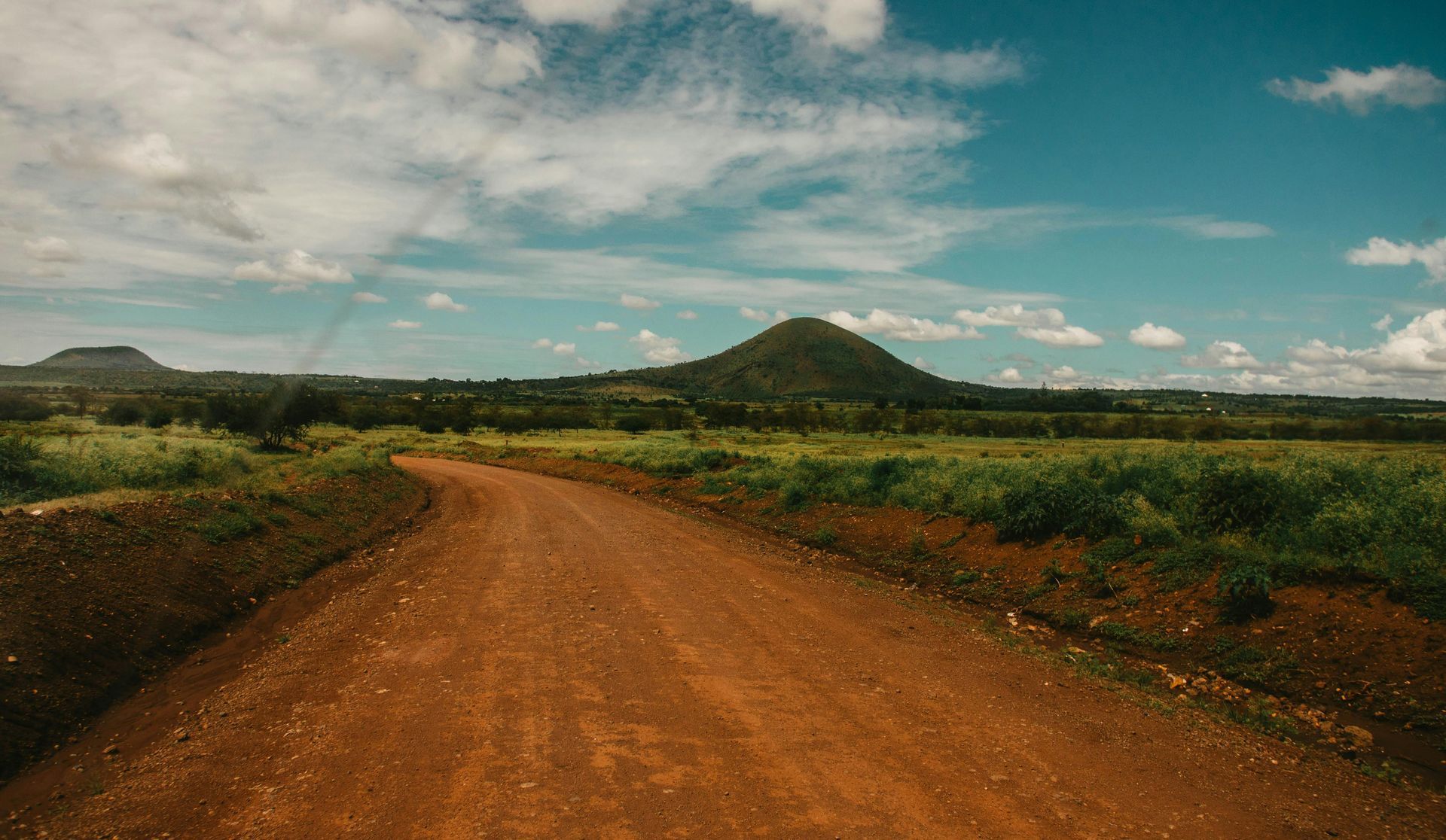
Het is begin middag als we aankomen bij ons kamp aan de voet van de spitse en hoge Mawenzi top (5.100m). Bijna net zo hoog als Kilimanjaro zelf is deze top vrijwel onbereikbaar en op ieder aspect verschillend dan de grote broer 10 km verderop; spits, small en zonder sneeuw/gletsjers. Het is een prachtige plek om het tentenkamp op te slaan, er is een klein lokaal stroompje water en de plek ligt ietwat beschut tegen de koude wind. Het is dag drie en de groep van 15 personen is nog compleet. Vooraf bij de briefing was ik niet dolenthousiast; het leek een stuk minder spontaan en vrijer dan de Mount Meru beklimming een paar dagen ervoor. Veel commerciëler en gestructureerd. Daarbij blijkt al snel dat ik de enige ‘non native speaker’ in de groep ben die verder bestaat uit een Amerikaans gezin van zes, een Amerikaans koppel, twee Engelse koppels en drie solo reizigers waaronder ik. Grotendeels avontuurlijk ingestelde toeristen meer dan pure sporters of bergbeklimmers. Al zou later blijken dat vrijwel iedereen zich vrij goed heeft voorbereid en heeft getraind voor zover dat mogelijk is. Tijdens de briefing wordt grofweg de route doorgenomen, de kleding en materialen besproken en afgerekend voor de geleende slaapzak en kledingstukken. Voordat er nog maar één stap is gezet krijgen we een brief onder onze neus die aangeeft wat de gebruikelijke fooi is na voltooiing van de trip.
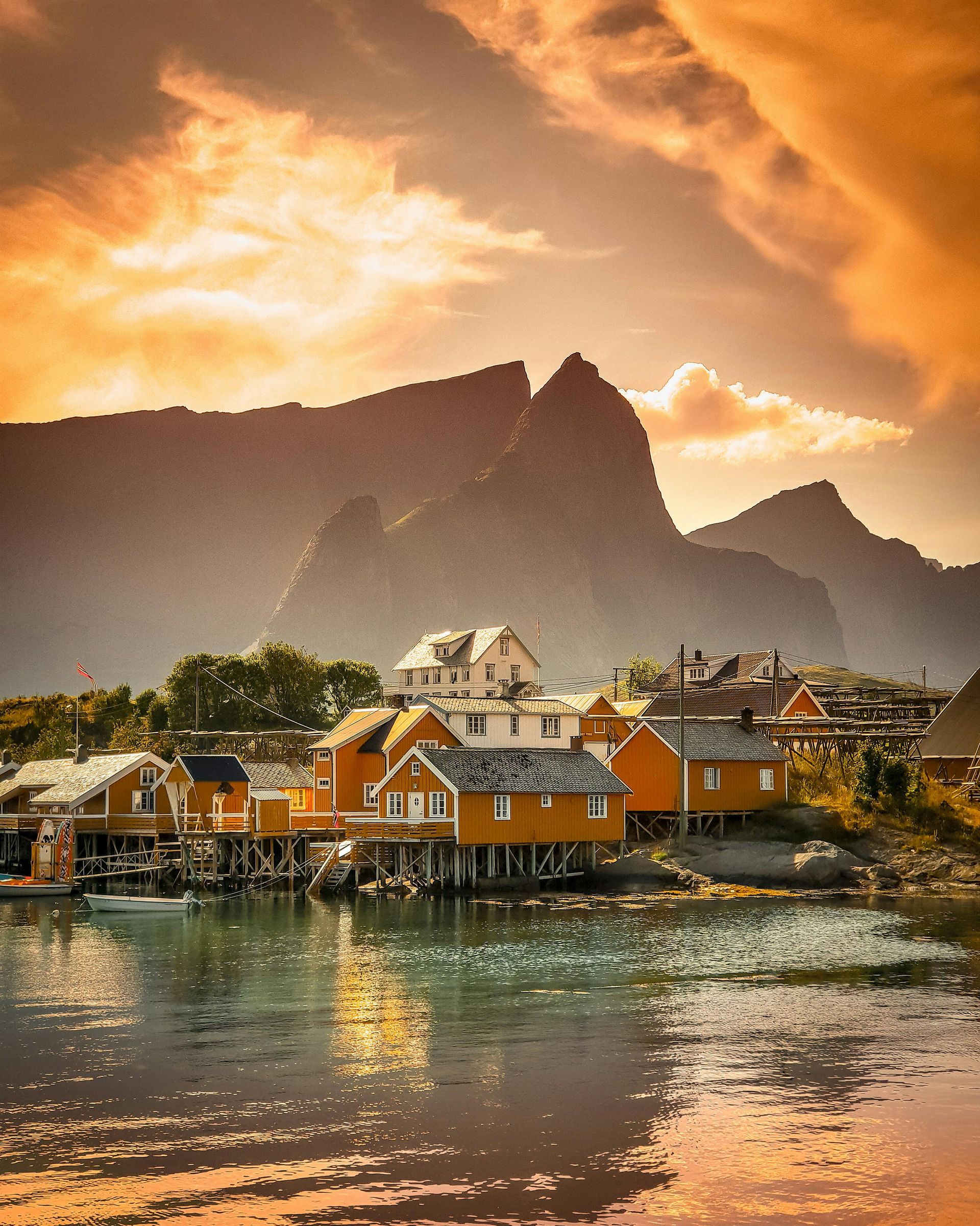
De treinreis van Oslo naar Bergen (ruim 7 uur) geeft al een voorproefje van wat komen gaat. Geen polders maar bossen, meren en al snel ruiger terrein met sneeuw en ijs. Dat terwijl de zomer al even onderweg is, op hoger gelegen gebieden blijft het echter nooit geheel sneeuw -en ijsvrij. In de trein veel mensen met volgepakte rugzakken. Elke gram bagage telt voor de wandelaar op lange tochten, je wilt voldoende mee maar zeker niet te veel. Voor meerdaagse tochten door de bergen wordt in de zomer als ondergrens 7 kilo aangehouden, ervan uitgaand dat je niet kampeert. Met minder loop je het risico in slecht weer te weinig warms en droogs te hebben. Kamperen betekent zeker 20 kilo maar geeft wel de vrijheid te bepalen waar je die nacht de tent opzet. De medewerker van de DNT-winkel (een soort Noorse VVV, met focus op bergsport-recreatie) in hartje Oslo raadde me af een regenbroek aan te schaffen maar smeerde me wel een kaart en universele sleutel voor een van de 500 DNT berghutten aan. Dit is een netwerk waar Noren met recht trots op kunnen zijn. Van full service berghutten het hele jaar open tot 'self service cabins' waar je zelf de deur opent en alles achterlaat zoals je het aantrof. Voor het doorkruisen van de Hardangervidda diende ik vijf van deze berghutten op voorhand te boeken. Buiten coronatijd kunnen wandelaars altijd wel op een matras rekenen, nu zijn in de bergen ook voorzorgsmaatregelen getroffen. De Noren blijven er in het algemeen stoïcijns onder en in Oslo lijkt weinig aan de hand. Men volgt braaf de aanwijzingen van de overheid op. Enige onrust ontstond alleen toen 40% van de Noren met privé-hut te kennen werd gegeven met de paasvakantie - een traditie – deze niet te bezoeken. In de afgelegen gebieden is tenslotte weinig intensive care capaciteit. Deze klassenstrijd deed wat stof opwaaien en het raakte de bevoorrechte Noren in hun grondrecht geen gebruik te kunnen maken van steeds luxueuzer worden privé hutten bij de Fjorden of in de bergen.
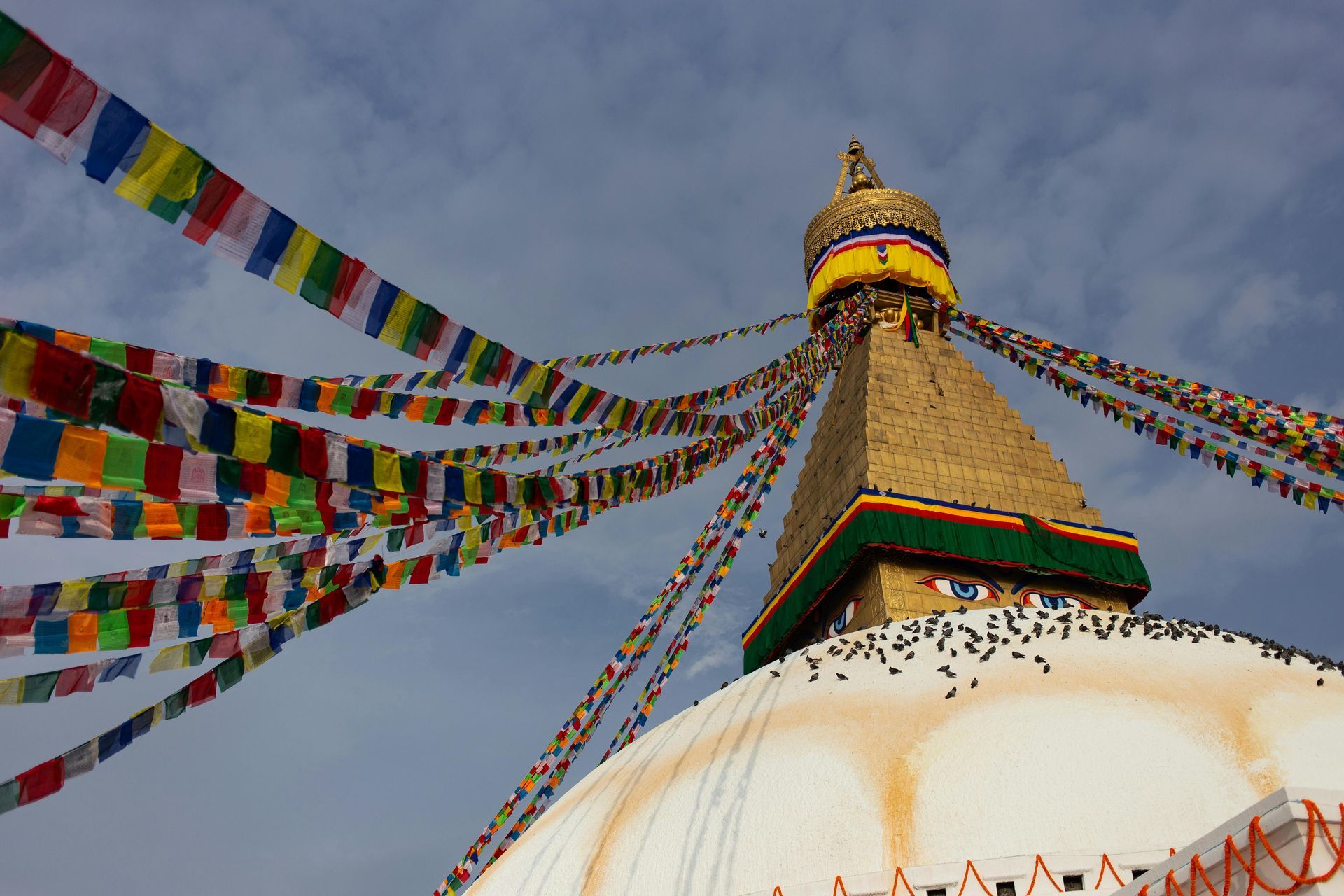
Moment en plaats van uitwerken van dit reisverslag is na afloop trektocht in Pokhara , een toeristisch ’lakeside’ oord bezuiden de Himalaya bergketen. In de jaren zeventig nog eindstation van mening hippie na een ‘asia overland tour’ nu veel hotels en toerist shops, maar wiet en paddo’s blijven beschikbaar. Normaliter ben ik binnen een paar uur vertrokken van deze plekken, het is er ook nog eens tropisch warm met iedere middag een flinke plensbui. Echter, nu is het een heerlijke tussenstop met aanwezig wat na bijna tien intenstieve dagen in de bergen zo node ontbrak; goede koffie en internet. Enerzijds is het fijn even helemaal afgesloten te zijn, anderzijds merk je hoe afhankelijk je wordt van een verbinding met de buitenwereld, ik kan moeilijk zonder het nieuws en ontwikkelingen. Goede koffie behoeft geen verdere uitleg.
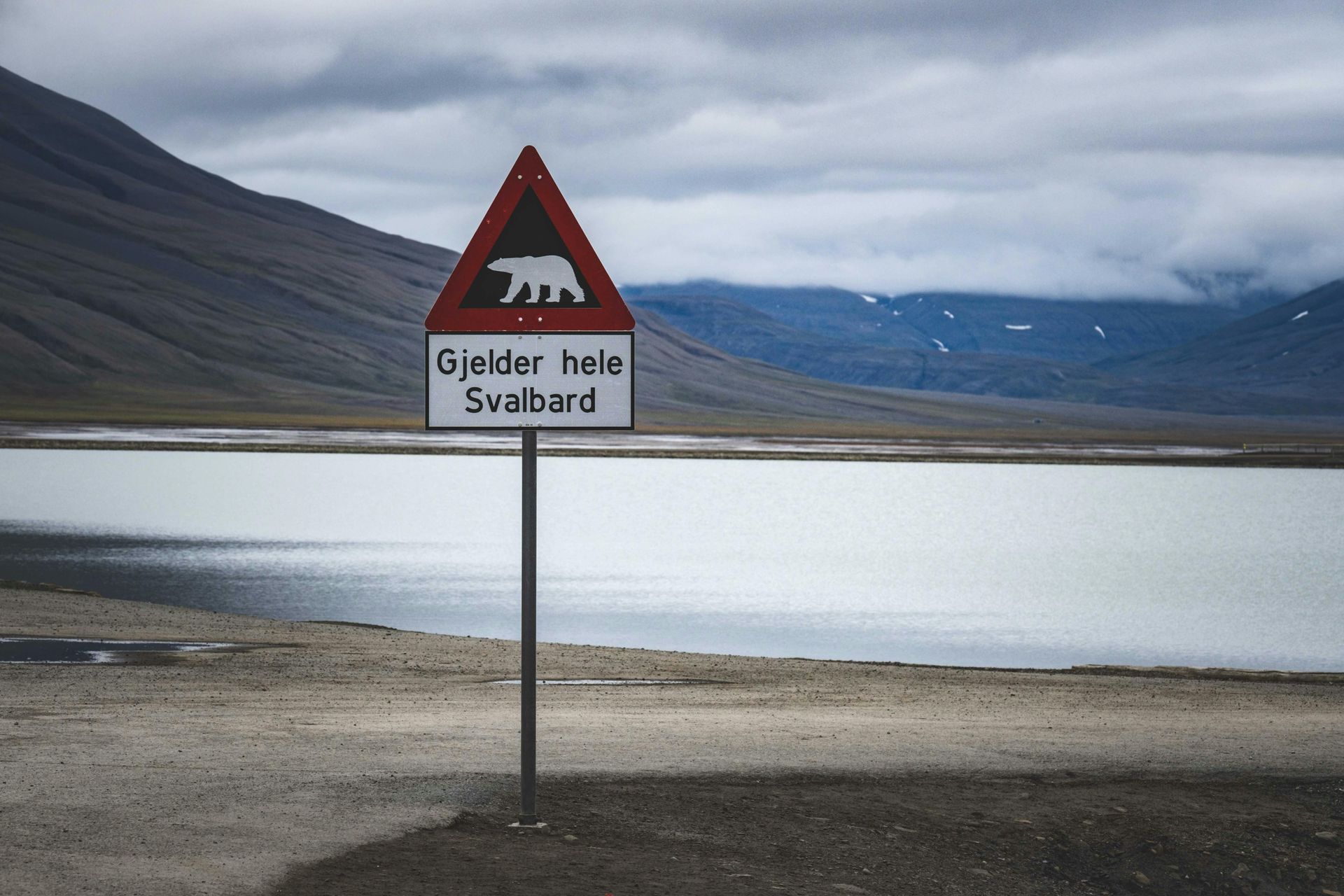
Had explorer and name giver Willem Barentsz sailed a little further into the fjords in 1596, he probably would have named the island "Platbergen” (Flat Land – the opposite of the current name). The archipelago was pushed up by the Greenland and European continental plates. By far most of Svalbard has remarkably flattened mountain peaks. All of it sediment, brittle rock formed under pressure, deposited by rivers and glaciers. Rippling waves did the rest, further flattening the ground. Millions of years ago, this archipelago drifted away from the equator where it was a swampy place inhabited by dinosaurs. Layer after layer, formed without oxygen by heat and pressure, the inhospitable landscape now reveals its fossils. The footprint of 60-200 million years ago. We do find some nice fossils; the ground is sometimes littered with them. Deeper into the mountains, the thick layers of vegetation have been transformed into high-quality coal: the origin of today's mining town of Longyearbyen. The only city and thus capital of Svalbard, the Norwegian archipelago of which Svalbard is the largest island. Not until the "Svalbard treaty" early last century this was a lawless, unrelenting place frequented by a motley crew of unyielding polar explorers, hunters, stoic miners and fortune seekers.
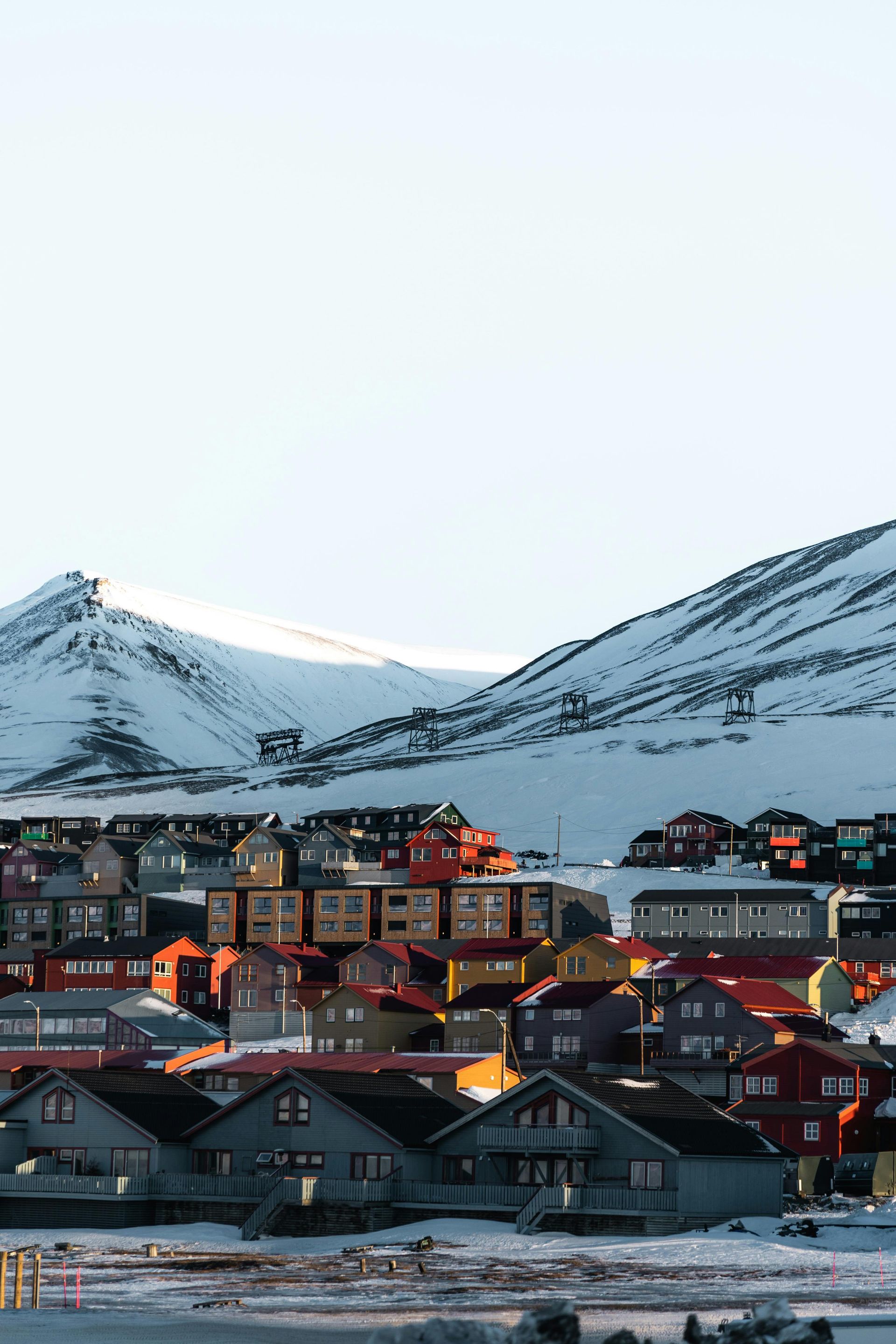
Had ontdekker en naamgever Willem Barentsz in 1596 iets verder de fjorden ingevaren zou hij het eiland waarschijnlijk ‘Platbergen’ hebben genoemd. Opgestuwd door de Groenlandse en Europese continentale platen. Veruit het grootste deel van Spitsbergen kent opmerkelijk afgeplatte bergtoppen. Allemaal sediment, broos gesteente onder druk gevormd, afgezet door rivieren en gletsjers. Kabbelende golven deden de rest en vlakten de bodem af. Miljoenen jaren geleden dreef dit eiland af van de evenaar waar het een moerassig oord was bewoond door dinosaurussen. Laag op laag, zonder zuurstof door hitte en druk gevormd geeft het onherbergzame landschap nu zijn fossielen prijs. De voetafdruk van 60-200 miljoen jaar geleden. We vinden overigens enkele mooie exemplaren, het ligt er soms mee bezaaid. Dieper in het gebergte zijn de dikke lagen vegetatie omgevormd tot hoogwaardige steenkool: de oorsprong van het huidige mijnwerkersstadje Longyearbyen. Enige en dus hoofdstad van Svalbard, de Noorse archipel waarvan Spitsbergen het grootste eiland is. Niet voor het ‘Svalbard treaty’ begin vorige eeuw was het een wetteloos, onverbiddelijk oord gefrequenteerd door een bont gezelschap van onverzettelijke poolreizigers, jagers, stugge mijnwerkers en gelukzoekers.
The Galapagos sea legs last for a few days but fortunately you quickly lose them in Quito. From sea level to the highest capital in the world at nearly 3,000 meters (La Paz, while administrative capital, is not the legal capital of Bolivia - that's Sucre) you notice quickly enough. The thin air, cooler temperature and mountains are a complete opposite. The colors, tastes, music and smells are reminiscent of Peru or northern Argentina. Although the foothills of the Andes run into Colombia, this Andean culture is much less present there. The Incas constructed a huge road network that ran across the core of the Andes mountains from northern Argentina to roughly Quito. Therefore, cities such as Cuzco and Quito are more related than Guayaquil (Ecuador's largest city and port) and Quito. Guayaquil, in turn, has much more in common with the huge Peruvian capital of Lima with which there was abundant sea trade. Quito's location is fairly unique. Because of its altitude but also because the city leans against the equator and is directly surrounded by 14 partially active volcanoes. The downside is that the city is hit with some regularity by earthquakes and ash rains. Temperatures are quite moderate year-round which earns Quito the nickname "city of eternal spring”. 'Welcome home' I am told upon entering the hotel in Quito. Nothing nicer than a home away from home. Although more of a marketing ploy (hotels do plenty for good reviews) this is literally a hidden gem opposite a dirty, busy street. A colonial-style oasis with a large terrace and stylish breakfast room. The walking tour of the city center today is surprisingly good. With a small group we set out to explore the old, colonial center (first on the Unesco World Heritage List) that was the second largest in South America after Havana. It was mostly Spanish settlers from Andalusia who governed the colony from here. For that reason, you see a fusion of Spanish, Moorish and indigenous elements in the old buildings and churches. The central square (the big market) is great and we taste fresh fruit and chocolate. The cocoa from the coastal region of Ecuador can rightly be called the best in the world. It is a lot less bitter than the version from the Amazon and Africa. Therefore, a piece of 95% or even 100% chocolate still tastes mild. Add chili, sea salt, cacao nibs or coffee and you get the most delicious chocolate you have ever tasted. With two young Brits and a Pole from Gdansk, we enjoy a simple lunch at the foot of the Chimborazo volcano. All four have the ambition of conquering this extinct but massive volcano. None of us would even come close to the summit that night. With the two young Brits, I had fitted the necessary mountain clothing in Riobamba. With the discarded shoes, jackets and sweaters, we must make our way up the mountain well-equipped that night. It is rattled off, whereas good clothing makes the difference between a successful summit attempt or not. The two Brits, in my opinion, have no idea what they are getting themselves into. They are athletic young guys, but the Chimborazo is different than walking up Ben Nevis. For the third - and last - time that week, I am driven into the national park to the base of the climb at 5,000 meters altitude. From base Riobamba over two hours but the drive never gets boring. The closer I get, the more awe the volcano evokes. The vast lava fields, the snowy summit and the vicunas walking around. When Von Humboldt was the first European to climb the volcano, it was thought to be the highest mountain in the world. From sea level, this later turned out to be Mt. Everest. Because of the somewhat egg-shaped earth, though, measured from the core, this is still Chimborazo. So, this is the point on earth closest to the sun, about three kilometers closer than Everest. All four of us had paid a fair amount of money upfront to no more than a day-and-night long ascent and descent with a guide. Good mountain guides are rare, and certainly those who also speak a word of English. This does matter on a technical climb where you are tied together with rope. In the event of a fall, someone must plant their ice axe in the ground or snow to prevent further downfall. Most mountain guides are freelancers and (locally) sometimes have a somewhat questionable reputation. Admittedly competent in the mountains but without putting too much effort into their customers. Some even wear you out on purpose in order to get home faster. Mountain guides can be rather blunt, after all, in the mountains there is a need for safety and thus clarity. Not too much nuance fits that. My guide doesn't seem too eager today either and is off to a slow start. Once he arrives at the last high camp, he is mainly interested in his sleeping place and food. More guides appear that night and here they command respect. Without much sleep, they are - with their client - busy with ropes, harnesses and crampons. And that’s before a huge trek ahead of them. The two Brits start from a lower camp and we don't see them again that night, they have turned around before the high camp. In the pitch-black night, we see the light of small towns dozens of miles away. Above us the stars, below and above the mountain the moving head lights of other climbers. Together with the Pole and his guide, we begin our "summit attack" around midnight. It is a mystery to me how this taciturn Pole - who looks to me like a dock worker - manages to travel around all by himself. He really doesn't speak a word of English or Spanish at all. Yet, he does get a little farther that night than I do. Around three o'clock I see him plopping down in his sleeping bag in the tent. I am already passed out in bed by then. Although I arrived at the camp very energetic, I had forgotten that acclimatizing also means sleeping at a lower place than the highest reached point that day. During the night I get more and more nauseous with a throbbing headache. I hope for a miracle and want to give it a go anyway. Reluctantly, I work down a few cookies and cups of hot tea. The guide helps me into my harness and with the crampons. I want to say a few more things but right words don’t come to me. The guide ties the harnesses together with rope and off we go. In perfect conditions, it is windless and cloudless. For half an hour on the trail, I feel unsure along the steep precipices that are not even visible in full in the dark. At some point, enough is enough and I tell the guide we are turning around. Five minutes later he sees why as my stomach contents turn over on the trail. In the awesome dawn we see six small dots moving atop the glacier. They are the only ones of about 30 climbers to reach the summit. The reward must be a spectacular view. On adrenaline alone, they need to descend for another four hours or so. Cotopaxi is the smaller brother of Chimborazo. Known as the perfect symmetrical volcano and at least as famous. Climbing Cotopaxi is equivalent to dancing on the volcano. It is one of the most active volcanoes in the world. In recent weeks, the volcano also made itself heard, bubbling out smoke and ash. A climb to the top is forbidden and unwise. The surrounding volcanic field (a national park) has a Moon-like appearance with stone dust and large boulders. In some places, dozens of layers can be seen on top of each other. Like the growth rings of a tree, these represent every eruption that has occurred. Volcanoes play a crucial role for life on Earth. They are like valves that can release heat when needed. In extreme ice ages (where large parts of the earth were covered by glaciers), magma could flow out from the layers below the earth's surface and help warm up the earth. Today we can walk up to the impressive, but for years receding glaciers. A little lower, a mountain bike takes us straight back to the hotel. The Pan-American highway is 200 meters down from the hotel. Bus stops work a little different here. In fact, these are found only in the city centers. I am dropped off by the hotel owner and told to catch the bus a little further down the road. There is nothing that even remotely resembles a stop. The traffic thunders on and on. You have to first recognize the right bus, then wave it down and hope it slows down and stops in time. This is doesn’t work at all. To avoid standing on the highway for an hour, it is better to wave off every bus and then hope it is the right one. The plan works and miraculously another Dutch person steps in a minute later. You have to watch your belongings in Ecuador and that is especially true on the road when you have all your luggage on you. As a backpacker, you are at your most vulnerable here. Ecuador is one of the richer countries of Latin America and mainly exports many commodities such as oil, cocoa, fruits and flowers. But the gap between rich and poor is immense. Half the population lives on a few dollars a day. In addition, the pandemic has hit the country hard. There is much poverty on the streets and hotel and restaurant doors remain closed to keep out wandering, begging figures. Pickpocketing can never be justified but can be explained. The bus rides - especially if you travel alone - are not very relaxing partly because of this.
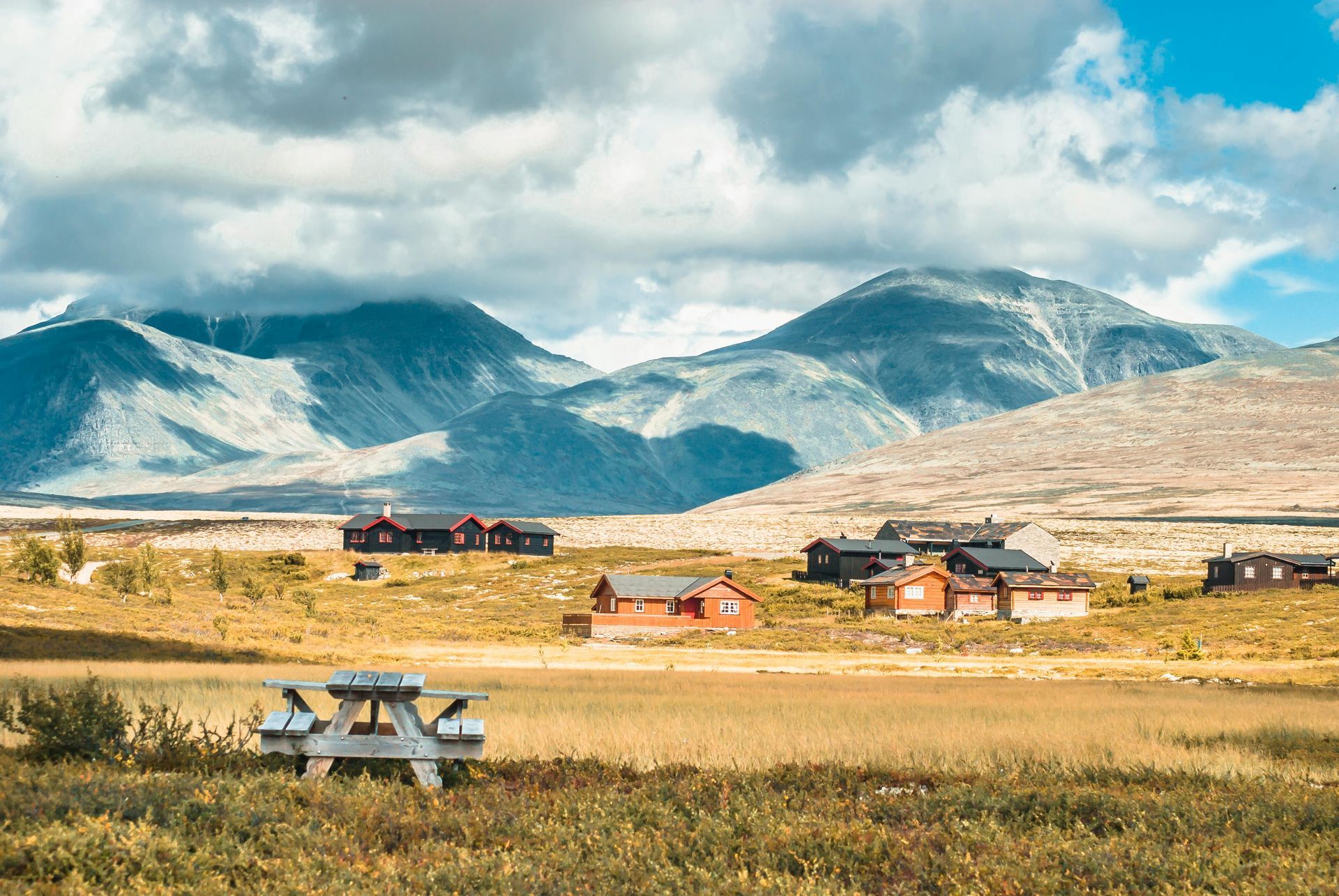
Europe’s largest high-mountain plateau remains one of the continent’s last great wilderness treks. The classic 4–6 day routes across Hardangervidda (typically 80–110 km) are supported by the world-famous DNT hut network, meaning most hikers can cross without carrying a tent. Why Choose Hardangervidda in 2026 - Vast treeless plateau at 1,200–1,400 m with glaciers, reindeer herds and hundreds of lakes - Well-marked trails (red “T” on cairns in summer, blue poles in winter) - 500+ DNT cabins ranging from fully staffed lodges to simple self-service shelters - No permits required; open to everyone with a DNT key - Feasible from mid-June to late September (best window: July–early September) Route Distance Days Notes Kinsarvik → Haukeliseter 95–105 km 5–6 Most popular west–east traverse Rjukan → Finse → Haukeli 80–90 km 4–5 Slightly shorter, train access both ends Finse → Dyranut (north) 65 km 3–4 Highest section, train to train The DNT Hut System – How It Works - Staffed lodges(e.g. Litlos, Haukeliseter): hot meals, showers, bedding provided. Book 3–6 months ahead. - Self-service cabins: stocked pantry (canned food, gas); pay later via DNT app or bank transfer on the honour system. - Unserviced/no-key cabins: emergency shelter, bring your own sleeping bag. - Universal DNT key (NOK 125 ≈ €11 lifetime) opens every self-service and most unserviced huts. - Post-2020 rule: reserved sleeping spots in most cabins (no more “just show up and squeeze in”). Booking & Planning Tips for 2026 1. Book staffed huts and popular self-service huts as soon as January releases open (usually 1 Jan). 2. Base pack weight (no tent): 8–11 kg is realistic and comfortable. 3. Essential gear: waterproof jacket + trousers, sturdy boots with ankle support, microspikes (still snow in August), offline maps (Norgeskart app or paper 1:50 000). 4. Weather: expect rapid changes; 0 °C and horizontal rain possible any summer day. 5. Water: plentiful and safe to drink straight from streams above tree line. 6. Mobile coverage: almost none on the central plateau – carry a Garmin inReach or similar if travelling solo. Daily Distances & Difficulty Typical stages are 15–25 km with 300–700 m ascent/descent. Trails are rocky but rarely technical. The biggest challenges are: - Wet boggy sections early in the season - Snowfields that linger into August (hard-packed but slippery) - Navigation in thick fog (common); GPS + compass strongly recommended Cost Overview (2026 prices, approximate) - DNT annual membership: €75 (discounts on huts) - Self-service night: €25–40 - Staffed lodge (dinner + breakfast + bed): €90–120 - Food from hut pantries: €12–18 per day if self-catering - Train Oslo–Bergen (for access): €60–100 Responsible Travel Notes - Leave No Trace principles are strictly followed; pack out all rubbish. - Open fires banned outside designated fireplaces. - Dogs must be kept on leash (reindeer calving season protection). Hardangervidda offers a rare combination of genuine wilderness, reliable infrastructure and Scandinavian hut hospitality. With proper preparation it is suitable for fit hikers with some multi-day experience – and remains one of Europe’s most rewarding mountain journeys in 2026.
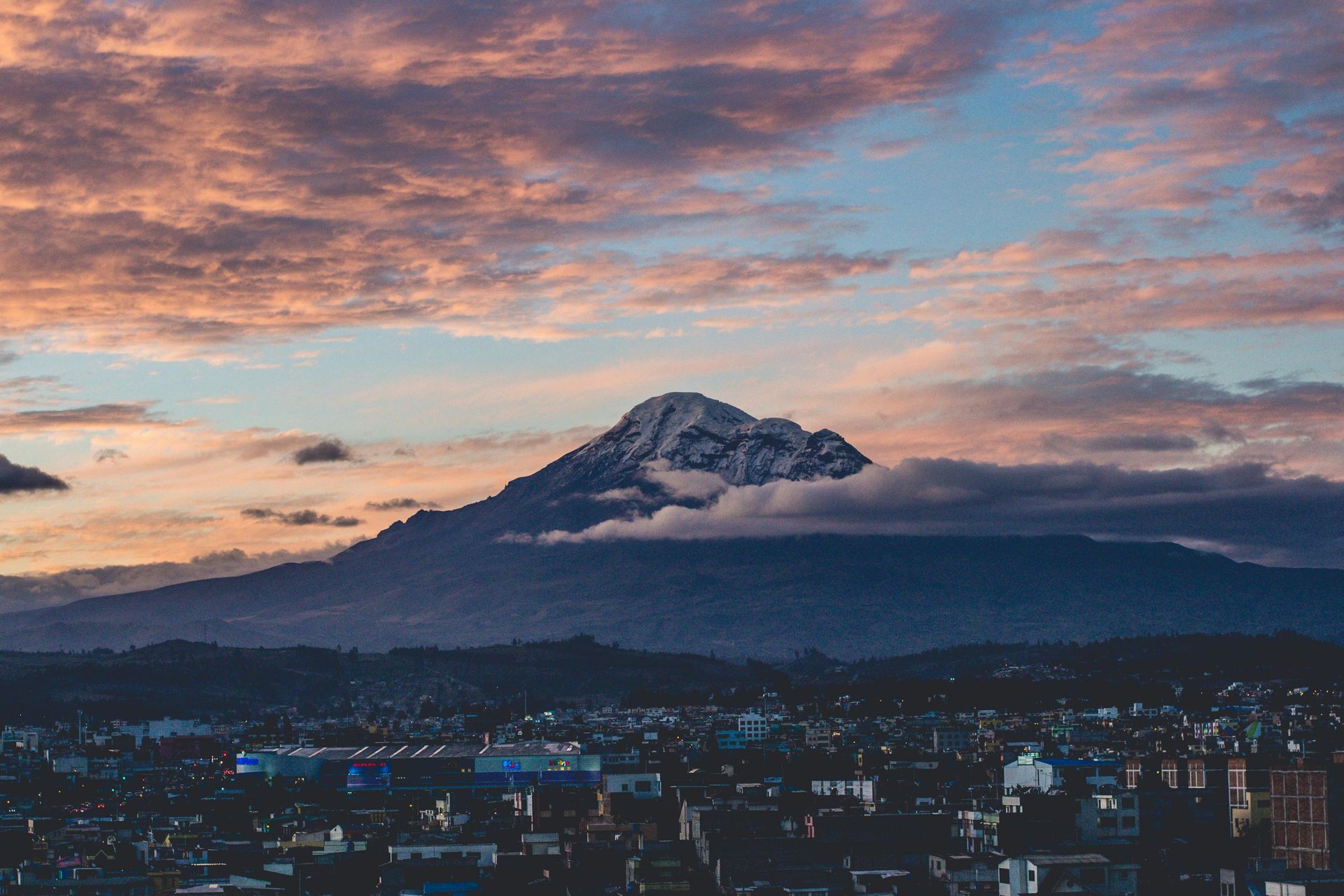
Spaghettibenen. Een maag die zich omdraait. Ik was vergeten hoe het was om op zee te verblijven. Ooit was ik het op een klein bootje voor de wateren van Zuid-Afrikaeven helemaal kwijt. Nu varen we rond op de Galapagos eilanden. Een groepje jonge vulkanische eilanden ver verwijderd van ieder eiland of vasteland, vergelijkbaar met Hawaii. Het is een sterk merk dat staat voor avontuur alsmede unieke flora en fauna. Maar ook voor de evolutietheorie en de naam Darwin die voor eeuwig aan de eilandengroep verbonden zal blijven. Het zijn voornamelijk Amerikaanse en Britse toeristen die hier neerstrijken. Op een bevolking van slechts 30.000 inwoners bezoeken ieder jaar een kwart miljoen buitenlandse toeristen de archipel. Ecuador is al opvallend prijzig maar voor de Galapagos eilanden moet men flink in de buidel tasten. Er gaat alleen al honderd dollar per inkomende reiziger naar bescherming van het nationale park (wat de hele archipel omvat). En dat is hard nodig. Enkele inheemse dieren en planten zijn reeds uitgestorven. Voornamelijk door toedoen van mens en dier (honden, katten, geiten, varkens) alsmede ongenode gasten (ratten en muizen) die op de schepen meereisden en een ware ravage aanrichtten. Voor bezoekers uit koudere oorden is de zon de grootste vijand. Op de evenaar, relatief dichterbij de zon en op het water moet je oppassen niet levend te verbranden. We liggen al even in het water te snorkelen, op zoek naar zeekomkommers, zeeschildpadden, pinguïns, zeeleeuwen, zeesterren en scholen vis. Er staat een sterke stroming in de ondergelopen ‘caldera’ (ingestorte krater) en terwijl we de rotsachtige kust afstruinen zijn we waakzaam voor de golfslag. Van een meter of dertig worden we constant gadegeslagen door twee rubberbootjes met bemanning. Vandaag ben ik wat verder gezwommen dan de rest en begin het inmiddels koud te krijgen. Dan draai ik me om en lig recht tegenover een haai. Dit exemplaar is groter dan de babyhaaitjes van een meter en de witpunthaaien van anderhalve meter die we de voorbije dagen hadden gezien. Nieuwsgierig neemt hij of zij polshoogte welke indringer er zich in haar territorium bevindt. Het is een Galapagoshaai die maximaal drie meter lang worden en deze is minstens zo lang als ik. Toch schrik ik niet en een paar seconden zijn onze blikken gekruist. Dan kijk ik boven water waar de rest is. Terug onder water is de haai verdwenen. Ik ben alleen en nu zit de schrik er wel even in. Deze jongen stond niet op het menu voor vandaag en kan ieder moment uit mijn rug opduiken. Tegelijkertijd besef ik me dat ze ons niet zomaar onderdompelen met gevaarlijke haaien. In de buurt wordt naar de veel grotere walvishaai en hamerhaai gedoken. Veruit de meeste haaien zijn volkomen ongevaarlijk voor ons, wij zijn niet hun natuurlijke prooien. Sterker nog, ieder jaar worden er honderdduizenden afgeslacht voor haaievinnensoep. Net als de jacht op zeeschildpadden (waarvan een zogenaamde heilzame werking uit zou gaan) is dit (op veel plekken) ten strengste verboden. Het (korte) moment met de haai zal me bijblijven. Wat een machtig beest. Terug op de boot ontvouwt zich het vaste ritueel van een warme douche en zonnebaden boven op het dek. Vogels die steevast op de windstroom meeliften en hopen op wat etenstestjes die overboord worden gegooid. Dagenlang zijn we ver verwijderd van iedere vorm van beschaving. Aan de ene kant de rotsachtige lavakusten met spaarzame begroeiing en parelwitte stranden. Aan de andere kant niks dan water. Geen rots voor duizenden kilometers tot aan Papoea Nieuw Guinea. Met deze gedachte ’s nachts naar de pikzwarte sterrenhemel turen is machtig en de volle maan gaf nog een beetje licht. Maar vannacht is het bewolkt en het is werkelijk pikzwart. Ik denk aan de solozeilers die in hun uppie de oceaan oversteken en bedenk ik dat ik dit nooit zou kunnen. Volgens mij heb je hier stalen zenuwen voor nodig. Zeker wanneer je zoals wij nu op of rond evenaar varen. In de ‘doldrums’ spookt het wellicht niet zo snel maar kan het wel dagenlang windstil zijn. Dan lig je als zeiljacht maar een beetje rond te dobberen. We mogen op de brug met de kapitein meekijken hoe de gps-apparatuur exact 0.00.000 graden aangeeft. De sfeer aan boord is omgeslagen. Het was de eerste dag dolle pret en we waanden ons op een luxejacht met meer bemanning dan opvarenden. Het regent hier vrijwel nooit en de zon stond strak aan de hemel. Onder water hadden we al van alles moois voorbij zien komen en de stranden zijn tropisch. De meesten van mijn reisgenoten hadden net als ik een last minute geboekt en werden een comfortabele cruise voorgeschoteld van alle gemakken voorzien. Omwille van efficiency varen we ’s nachts zodat we in de ochtend in een nieuwe omgeving op pad kunnen. Maar het was een behoorlijk woelige eerste nacht en ’s ochtends wordt er aan tafel niet veel gesproken. Ik voel me de hele dag erg slecht en overweeg die middag sterk de trip af te breken en in het laatste dorpje aan land te blijven. Alleen al de gedachte terug aan boord te gaan doet mijn maag omdraaien. We zitten nog een week letterlijk met elkaar opgescheept en ik kan me moeilijk voorstellen hoe dit schip van ruim dertig meter een beetje stabiel in het water blijft liggen. De wateren zijn dit seizoen weliswaar wat onstuimiger dan de rest van het jaar maar kennelijk went het want voor de bemanning is het een dag als ieder ander. In tegenstelling tot de meeste cruiseschepen heeft dit jacht cabines voor solo reizigers zodat geen extra toeslag betaald wordt voor de gangbare duo kamers. Aan boord zijn een oudere Brit en ik de enige solo reizigers. Waar de rest avontuurlijke twintigers, dertigers en veertigers zijn komt deze man de eerste bloedhete dag in driedelig pak aanzetten. Het is net alsof hij uit een Mr. Bean aflevering is komen overwaaien. Hij valt wat uit de toon ook omdat hij niet meegaat met de dagelijkse snorkeltripjes. Maar hij is bereisd, vind zijn draai en kan aardig vertellen. Afgezien van een Zwitsers koppel en ikzelf zijn het allemaal Britten. De beleefdheid is prettig maar ik irriteer me dat er nooit kritische vragen worden gesteld en alles voor zoete koek wordt aangenomen. Onze Ecuadoriaanse gids heeft dit duidelijk al honderden keren gedaan, het komt wat sleets over. Toch raken we onder de indruk van zijn uitgebreide kennis over het ontstaan van de eilanden en de aanwezige flora en fauna. Omdat er op de eilanden geen bijen zijn vindt bestuiving volledig plaats door de wind. Uiteindelijk nestelen ‘pioniers’ planten zoals cactussen en zoutwaterplantjes zich in het lava gesteente of langs de stranden. Vervolgens kan het snel gaan. Het gros van de ontwikkeling van zowel flora als fauna heeft ‘pas’ de afgelopen 50.000 jaar plaatsgevonden. Darwin publiceerde zijn magnum opus ruim 25 jaar na de jarenlange reis met de Beagle. Een reis waarbij hij overigens meer tijd aan land dan op zee doorbracht. Aan boord had hij vaak last van hevige zeeziekte. Alhoewel hij de kern van zijn evolutietheorie al veel eerder dan ‘On the Origin of Species’ formuleerde waren zijn ideeën erg revolutionair voor die tijd. De vinken die van de verschillende Galapagos eilanden werden meegenomen zijn omgedoopt tot ‘Darwin Vinken’ maar zonder de aantekeningen van de kapitein was dit nooit gebeurd. Darwin merkte de verschillen in eerste instantie niet op. Pas in een veel later stadium werd aan de hand van het logboek van de kapitein gezien dat de meegenomen vinken per eiland verschilden. Ze hadden zich in de ‘niche’ van de Galapagos eilanden afzonderlijk ontwikkeld. De grootte van de snavel verschilde bijvoorbeeld per eiland, afhankelijk van de daar aanwezige noten en zaden. En zo werd de theorie verder onderbouwd. Over vogels gesproken is de ‘Blue Footed Booby’ zonder meer een van de meer kleurrijke bewoners. Deze Blauwvoetgent komt maar in een beperkt gedeelte op de wereld voor. Ook deze vogel is erg tam omdat het niet of nauwelijks geëvolueerd is met vijanden op land. Het is net als de reuzenschildpad een soort van mascotte voor de Galapgos geworden. Ze doen me denken aan de Puffins (Papegaaiduikers) op IJsland. Evolutionair lijken de blauwe voeten compleet nutteloos maar schijn bedriegt. Ze spelen een belangrijke rol in de partnerkeuze. De blauwe kleur is afkomstig van pigmenten die ze binnenkrijgen door het eten van vis. De vogels maken vanaf tientallen meters een duikvlucht tot 25 meter diep onder water. De pigmenten uit hun voeding fungeren als antioxidanten en zijn bevorderlijk voor de immuun functie. Op het strand treffen we soms nog meer aparte vogels aan; Amerikaanse zeventig plussers in snorkelpak. Het ziet er wat potsierlijk uit en gaat allemaal wat stroef. Mooi dat ze dit nog doen en we wisselen cruise ervaringen uit. Vanwege de ligging zijn er maar weinig trekvogels te vinden op de eilanden. Desondanks kunnen veel vogels de afstand overbruggen en sommigen blijven voor altijd. Maar hoe zijn flamingo’s, pinguïns en leguanen hier ooit terecht gekomen? Niemand die het zeker weet, het blijft speculeren. Aannemelijk is dat leguanen op drijfhout zijn aangespoeld en zich tot de enige zeeleguanen ter wereld ontwikkeld hebben. Deze kleine draakachtige reptielen kennen op land geen natuurlijke vijanden en je zou ze zo aan hun staart kunnen optillen. Als koudbloedigen warmen ze zich gezamenlijk op in de zon. In tegenstelling tot hun broers op het land doen ze zich (eenmaal opgewarmd) in het water - als strikte vegetariërs – tegoed aan algen. Een voorbeeld hoe deze draakjes zich hebben aangepast aan leven onder water zijn hun nieren. Het water rondom Galapagos is zouter dan op veel andere plekken en de nieren van deze zeeleguanen filteren dit zout waarna ze eens in de zoveel tijd hun neus snuiten om dit kwijt te raken. Het is komisch om te zien hoe zeeleeuwen de draakjes soms achternazitten. Ook de zeeleeuwen kennen totaal geen angst voor de mens en komen aan wal een dutje te doen. In het water zijn ze speels en zelfs brutaal door om je heen te zwemmen en tot een paar centimeter te naderen. Helaas zijn ze ook gewild voor hun mooie en sterke vacht. De flamingo’s stammen af van de Chileense soort en ik wist niet dat hun roze vacht ontstaat door de roze schil van garnalen die ze eten. De Galapagos pinguïns zijn schattige beestjes en de enige pinguïns op het noordelijk halfrond. Een klier in hun lichaam produceert vet wat zich op de vleugels afzet waardoor het net wandelende oliemannetjes zijn. Onder water schieten ze met ruim 30 km/u razendsnel voorbij. De reuzenschildpadden verdienen een nadere toelichting. Net als de ‘Darwin vinken’ stonden deze centraal in zijn these dat soorten zich geïsoleerd (bijv. op een eiland) apart ontwikkelen naar gelang omgevingsfactoren, prooien, natuurlijke vijanden en beschikbaar voedsel. Ze spreken tot de verbeelding onder meer vanwege de extreem hoge leeftijden die ze bereiken. Met het heengaan van ‘Lonesome George’ in 2012 (die nog door Darwin zou zijn meegenomen) stierf de Galapagos reuzenschildpad uit. Een exemplaar genaamd Harriet haalde een leeftijd van ongeveer 176 jaar en deze dieren konden bijna 200 kilo zwaar worden. Ondersoorten bleven bestaan en worden nu (vanwege uiterlijke verschillen) allemaal als aparte soorten reuzenschildpadden geclassificeerd. Toch had het niks gescheeld of er zouden helemaal geen reuzenschildpadden meer zijn. In feite vergelijkbaar met hoe de dodo op Mauritius aan zijn eind is gekomen. Schepen en met name de walvisvaart namen de schildpadden met tienduizenden per jaar aan boord mee en stapelden ze levend in het ruim ondersteboven op elkaar. Reden was heel simpel: de beesten konden tot een jaar zonder voedsel en zelfs water. De ouderdom wordt vaak verklaard door dit unieke metabolisme (alsmede het langzame bewegen). Het vlees was welkom voedsel op de lange tochten over de oceanen. Toen – voordat er elektriciteit was - ook ontdekt werd dat het vlees en de eieren veel olie bevatten, werden ze geslacht om de straten van Quito te verlichten. Alsof dat nog niet erg genoeg was richten honden, ratten en geiten een ware slachting op de eilanden aan door of de eieren op te eten of de schildpadden te beconcurreren voor voedsel. Met uitgekiende fokprogramma’s en het oprichten van een nationaal park werd de populatie weer beschermd en verder opgebouwd. De Galapagos zeebenen houden enkele dagen aan maar gelukkig raak je die in Quito snel kwijt. Van zeeniveau naar de hoogste hoofdstad ter wereld (La Paz is weliswaar administratieve maar niet de wettelijke hoofdstad van Bolivia – dat is Sucre) op bijna 3.000 meter merk je rap genoeg. De ijle lucht, koelere temperatuur en bergen zijn 180 graden anders. De kleuren, smaken, muziek en geuren doen denken aan Peru of Noord-Argentinië. Alhoewel de uitlopers van de Andes tot in Colombia lopen is deze Andes cultuur daar veel minder aanwezig. De Inca’s legden een enorm wegennetwerk aan, dat over de kern van het Andes gebergte liep van Noord-Argentinië tot grofweg Quito. Daarom zijn steden als Cuzco en Quito meer verwant aan elkaar dan Guayaquil (grootste stad en haven van Ecuador) en Quito. Guayaquil heeft op zijn beurt weer veel meer gemeen met de enorme Peruaanse hoofdstad Lima waar veel over zee mee werd gehandeld. De ligging van Quito is redelijk uniek. Vanwege de hoogte maar ook omdat de stad tegen de evenaar aanleunt en direct omgeven wordt door 14 deels actieve vulkanen. De keerzijde is dat de stad met enige regelmaat getroffen wordt door aardbevingen en asregens. De temperaturen zijn het hele jaar door vrij gematigd wat Quito de bijnaam ‘stad van de eeuwige lente’ oplevert. ‘Welcome home’ krijg ik bij binnenkomst van het hotel in Quito te horen. Niets fijner dan een thuis weg van thuis. Alhoewel meer een marketing truc (hotels gaan ver voor goede beoordelingen) is dit een pareltje verborgen aan een vieze, drukke straat. Een oase van rust in koloniale stijl met een groot terras en stijlvolle ontbijtzaal. De wandeltour door het centrum vandaag is verassend goed. Met een klein clubje trekken we erop uit het oude, koloniale centrum (als eerste op de Unesco werelderfgoedlijst geplaatst) te verkennen dat na Havana de grootste was in Zuid-Amerika. Het waren voornamelijk Spaanse kolonisten uit Andalusië die het land hier inrichtten en bestuurden. Om die reden zie je een fusie van Spaanse, Moorse en inheemse elementen in de oude gebouwen en kerken. Het centrale plein (de grote markt) is geweldig en we proeven vers fruit en chocola. De cacao uit de kuststreek van Ecuador kan met recht de beste ter wereld genoemd worden. Deze is een stuk minder bitter dan de versie uit het Amazonegebied en Afrika. Een stukje chocola van 95% of zelfs 100% proeft daarom nog mild aan. Voeg er chili, zeezout, cacaonibs of koffie aan toe en je krijgt de lekkerste chocola die je ooit geproefd hebt. Met twee jonge Britten en een Pool uit Gdansk genieten we van een simpele lunch aan de voet van de Chimborazo vulkaan. Alle vier met de ambitie deze uitgedoofde maar reusachtige vulkaan te bedwingen. Geen van ons zou die nacht ook maar in de buurt van de top komen. Met de twee jonge Britten paste ik even daarvoor de benodigde bergkleding in Riobamba. Met de afgedankte schoenen, jassen en truien moeten we die nacht goed geoutilleerd de berg op. Het wordt afgeraffeld, terwijl goede kleding het verschil maakt tussen een succesvolle toppoging of niet. De twee Britten hebben volgens mij geen besef wat ze zich op de hals halen. Het zijn sportieve jonge gasten, maar de Chimborazo is andere koek dan de Ben Nevis oplopen. Voor de derde - en laatste - keer die week rijd ik het nationale park in tot aan de voet van de beklimming op 5.000 meter. Vanaf uitvalsbasis Riobamba ruim twee uur maar de rit verveelt niet. Hoe dichterbij hoe meer ontzag de vulkaan oproept. De uitgestrekte lavavelden, de besneeuwde top en de rondlopende vicunas. Toen Von Humboldt de vulkaan als eerste Europeaan beklom dacht men dat dit de hoogste berg ter wereld was. Vanaf zeeniveau bleek dit later de Mt. Everest te zijn. Vanwege de ietwat eivormige aarde is dit vanaf de kern gemeten wel nog altijd de Chimborazo. Dit is dus het punt op aarde het dichtst bij de zon, ongeveer drie kilometer dichterbij dan Everest. Alle vier hebben we redelijk wat geld neergeteld om met een gids feitelijk een dag -en nacht lange beklimming en afdaling te doen. Goede gidsen zijn dun gezaaid en dat geldt zeker voor degenen die ook een woordje Engels spreken. Dit is wel van belang op een technische beklimming waar je met touw aan elkaar bent vast gelijnd. Bij een val moet iemand zijn ijsbijl in de grond of sneeuw planten om verdere schade te voorkomen. De meeste berggidsen zijn freelancers en hebben (hier) soms een wat bedenkelijke reputatie. Weliswaar bekwaam in de bergen maar zonder al te veel moeite in hun klandizie te steken. Sommigen zouden hun klandizie onderweg zelfs willen afmatten om zo sneller thuis te zijn. Berggidsen kunnen nogal kortaf en zwart-wit zijn, in de bergen is immers behoefte aan veiligheid en dus duidelijkheid. Daar past niet al te veel nuance bij. Mijn gids lijkt er vandaag ook niet al te veel zin in te hebben en komt traag op gang. Eenmaal in het laatste hoge kamp aangekomen is hij vooral geïnteresseerd in zijn slaapplek en eten. Die nacht verschijnen er meer gidsen ten tonele en hier dwingen ze wel respect af. Zonder veel slaap zijn ze - met hun klant - in de weer met touwen, beugels, harnassen en stijgijzers. En dan staat er nog flinke tocht voor de boeg. De twee Britten beginnen van een lager kamp en zien we die nacht niet meer, ze zijn nog voor het hoge kamp omgedraaid. In de pikzwarte nacht zien we het licht van kleine stadjes tientallen kilometers verder. Boven ons de sterren, beneden en boven de berg de bewegende lichtjes van andere klimmers. Samen met de Pool en zijn gids beginnen we onze ‘summit attack’ rond middernacht. Het is me een raadsel hoe deze zwijgzame Pool - die me een havenarbeider lijkt - zich op reis enigszins weet te handhaven. Hij spreekt werkelijk geen woord Engels of Spaans. Toch komt hij die nacht wel iets verder dan ik. Rond een uur of drie zie ik hem in de tent in zijn slaapzak neerploffen. Ik lig dan al uitgeteld op bed. Ik kwam weliswaar erg fris in het kamp aan maar was vergeten dat acclimatiseren ook inhoud op een lagere plek te slapen dan het hoogst behaalde punt die dag. Gedurende de nacht word ik steeds misselijker voorzien van kloppende hoofdpijn. Ik hoop op een wonder en wil nog wel een poging wagen. Met tegenzin werk ik enkele koekjes en koppen warme thee naar binnen. De gids helpt me in mijn harnas en met de stijgijzers. Ik wil nog enkele dingen zeggen maar kom niet op de juiste woorden. De gids knoopt de harnassen met touw aan elkaar en we zijn vertrokken. In perfectie condities, het is werkelijk windstil en onbewolkt. Een halfuur onderweg voel ik me niet zeker langs de steile afgronden die in het donker niet eens in volle omvang zichtbaar zijn. Op een gegeven moment is het genoeg en ik vertel de gids dat we omdraaien. Vijf minuten later ziet hij waarom als mijn maaginhoud zich op het pad omkeert. Bij het schitterende ochtendwaken zien we zes kleine stipjes boven op de gletsjer bewegen. Het zijn de enigen van ongeveer 30 klimmers die de top bereiken. De beloning moet een spectaculair uitzicht zijn. Op adrenaline moeten ze nog zo’n vier uur afdalen. Cotopaxi is de kleinere broer van Chimborazo. Geroemd als de perfecte symmetrische vulkaan en minstens zo befaamd. De Cotopaxi beklimmen staat gelijk aan dansen op de vulkaan. Het is een van de meest actieve vulkanen ter wereld. Ook de afgelopen weken liet de vulkaan van zich horen en borrelde rook en as uit. Een beklimming naar de top is verboden en onverstandig. Het omgelegen vulkaanveld (een nationaal park) doet Maan-achtig aan met steengruis en grote steenblokken. Op sommige plekken zijn tientallen lagen over elkaar te zien. Net als de groeiringen van een boom staan deze voor iedere uitbarsting die is geweest. Vulkanen spelen een cruciale rol voor het leven op aarde. Het zijn net ventielen die warmte kunnen afgeven wanneer dat nodig is. In extreme ijstijden (waar grote delen van de aarde bedekt waren door gletsjers) kon magma uit de lagen onder het aardoppervlak naar buiten stromen en de aarde helpen opwarmen. Vandaag kunnen we tot de indrukkwekkende, maar al jaren terugtrekkende gletsjers lopen. Iets lager gaat met de mountainbike de weg linea recta terug naar het hotel. De Panamerican highway ligt 200 meter van het hotel af. Een bushalte is hier een rekbaar begrip. In feite zijn deze alleen in de stadscentra te vinden. Door de hoteleigenaar word ik afgezet en verteld iets verderop de bus te pakken. Er is niets dat ook maar op een halte lijkt. Het verkeer dendert aan een stuk door. Je moet eerst de juiste bus herkennen, deze dan afzwaaien en hopen dat hij op tijd vaart mindert en stopt. Dit is niet te doen. Om niet een uur aan de snelweg te staan kun je beter iedere bus afzwaaien en hopen dat dit de juiste is. Het plan werkt en wonderwel stapt er een minuut later nog een Nederlandse naar binnen. Je moet goed op je spullen passen in Ecuador en dat geldt zeker onderweg met alle bagage. Als rugzaktoerist ben je hier dan op je kwetsbaarst. Ecuador is een van de rijkere landen van Latijns-Amerika en exporteert voornamelijk veel grondstoffen als olie, cacao, fruit en bloemen. Maar de kloof tussen rijk en arm is immens. De helft van de bevolking moet van een paar dollar per dag rondkomen. Daarbij heeft de pandemie flink huisgehouden. Er is veel armoede op straat en deuren van hotels en restaurants blijven gesloten om ronddolende, bedelende figuren buiten te houden. Zakkenrollerij is nooit te rechtvaardigen maar wel te verklaren. De busritten zijn - zeker als je alleen reist - mede hierom niet echt ontspannen.
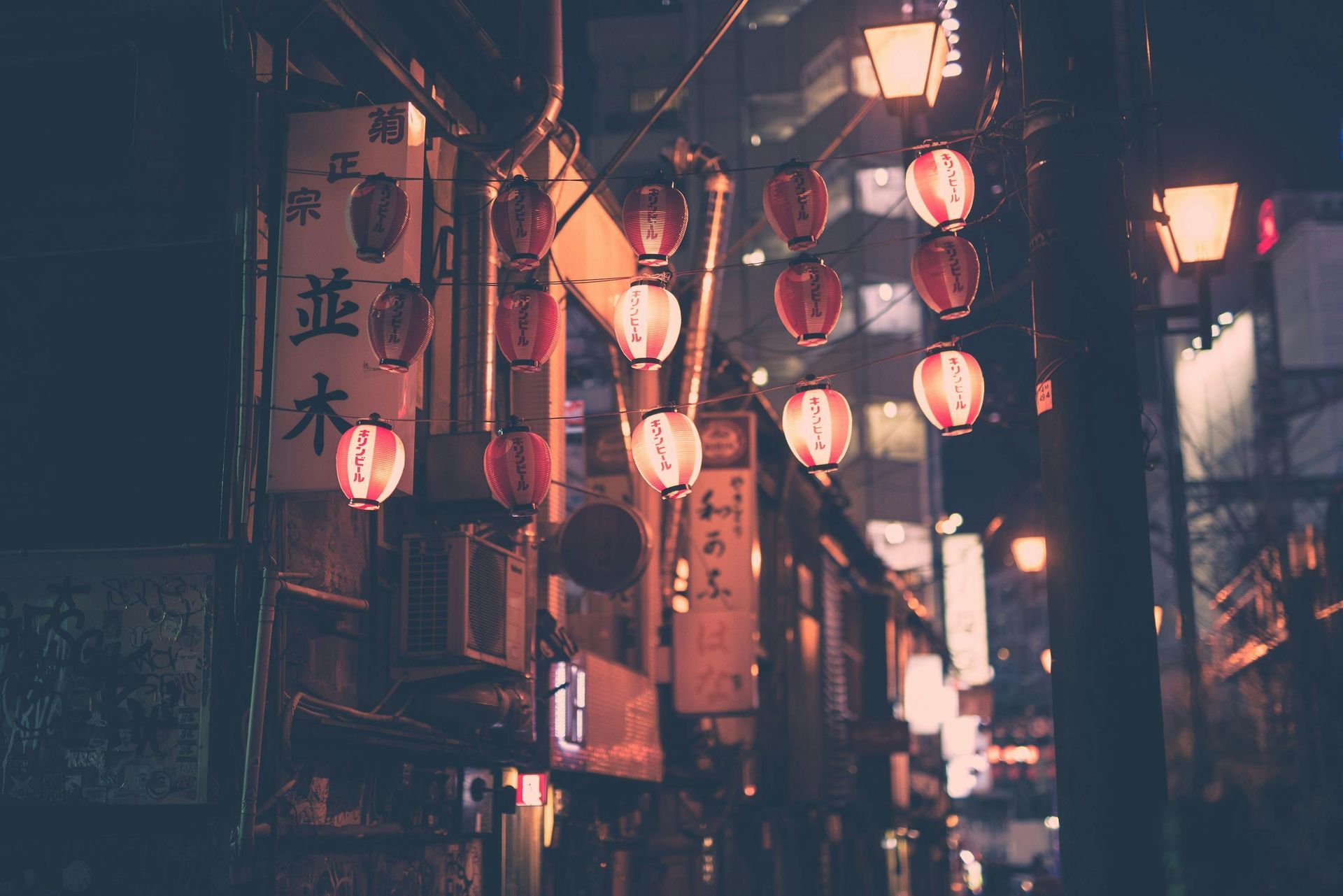
After a mere three weeks in the land of the rising sun, I have yet to see a trash bin, apart from in the hotel room. Out on the streets and in public areas, there are none to be found. You would expect the streets to be a filthy mess. On the contrary, it is the cleanest country there is. At most hotels and also restaurants, you exchange your shoes for slippers at the door. Megacities like Tokyo are spotless; there is little – if any - trash at all on the streets. Everyone is expected to take their trash back home with them. Where it is then separated and collected. You don't see or notice any of this. As a Westerner you have to get used to carrying your dirty plastic waste in your bag all day. Risking a penalty, throwing away garbage is discouraged. As is smoking. Smoking is not allowed in public – at risk of penalties. These are some of the "harsh" pronounced rules. Then follows a multitude of etiquette and unwritten rules. Quite wonderful, as it is a culture shock for many visitors. Mostly in a positive sense; one is impressed by Japanese discipline and attention to detail. Great to witness the attention to detail. From all sorts of personal tools and "hacks" to handwritten notes on how to use a piece of equipment. Better avoid the toilets, it's a real hassle with all kinds of buttons and electronics. If you don’t watch out, you’ll be sprayed from all sides (although sometimes they have heated covers). The manners, discipline and attention to detail I have not yet seen to this extent anywhere else. Japanese seem to realize that if each of the 125 million (and declining because of aging population) does his or her part, society will be better off. And all those millions of acts do make a difference; it feels like a modern Western country with a culture 180 degrees opposite from Northern Europe and the US. Politeness knows no boundaries in Japan . It's form and etiquette but rather pleasant. This does make it more difficult to strike up a "normal" conversation and the language barrier does not help. I find the Japanese somewhat reserved. I don't think it is a lack of interest or curiosity, but they just leave you alone. No one to come over for a chat or show any interest. Hence, Japan is popular among introverted travelers; you are left alone. I do find this to be a downside of traveling through Japan. Especially after the last Olympics, most Japanese do speak a word of English, but not wholeheartedly. They seem rather ashamed of their poor English. As true perfectionists, they prefer to do something with complete devotion or not at all. You won't easily meet an indifferent Japanese. Even the traffic controller or train conductor takes his job deadly seriously. Then what comes across - ironically - as rude to me is being refused at restaurants because they don't have a good command of English or otherwise think they can't serve you well. That refusal is indirect, by stating, for example, that the restaurant is full or only works with advance reservations. I think the comparison of Japan to England (also an island state) versus China and the U.S. is quite apt. The contrast between politeness and perfectionism on the one hand versus speed and results oriented on the other. In my opinion, it must be oppressive to be Japanese. People sometimes outcompete each other in politeness. This can be hilarious and one can have a laugh at it. In particular, letting each other go ahead at a door, stairs or elevator. In one bus ride, the driver manages to avoid an almost certain collision. He holds his arm in front of the passengers standing next to him as if he might still catch them. It is totally not his fault but at the next stop he personally walks into the back of the bus to apologize to everyone (!). I prefer to travel by train but with such a bus driver I will gladly get on board again. In public transport - but also elsewhere - still a lot of mouth masks. The hygiene standard is probably a bit over the top. Really everything is packed in small plastic bags. In some hotels you get a new bag hung on your door every day full of one-time disposables like a razor, cotton swabs and even pajamas. Disinfectants and wet towelettes are everywhere in restaurants. Above all, it's a lot of (unnecessary) plastic and paper. On the streets nothing but fuel-efficient Toyotas, Suzuki’s, Honda's, Nissan's, Daihatsu's and Subaru's. Japan has virtually no oil and gas reserves and must import all fuels. After the oil crisis in the 1970s, things changed. No huge SUVs here but small, economical cube boxes (where exactly they hide the engine is a mystery to me). One can argue about taste but they hardly make any noise. And of course, there is no honking. You have to be careful though; the steering wheel is on the right and people drive on the left (just like in the UK). Japan is - unfortunately - not a cycling country at all. Koga Miyata may be originally Japanese, but I haven't been able to discover one meter of bike lane in this country. That's a real shame, because the few cyclists you see ride on the sidewalk or in between cars. The trains and subway, on the other hand, are great. As with soda vending machines (where bottles of cold and hot tea are sold) and payment machines in stores, the transaction here is done by machine. Japan of course has the "bullet" trains (Shinkansen) but also many small regional commuter trains. One time it's just one wagon and I stand at the front pretty much next to the driver for the entire ride. It's confusing, all these different lines and exceptions. But there are rarely delays and you don't need a car to travel around Japan. Tokyo is mostly very big and crowded. If you like shopping you are in the right place here. There is no end to huge shopping malls with "fast fashion" and electronics. In large halls, dozens of young Japanese sit side by side behind large gaming machines. A Westerner is no longer a novelty here. There are many tourists, the mysterious and quirky Japan holds appeal. They are not the typical backpackers of South America or Southeast Asia. Although you can travel and stay relatively cheaply in one of the many capsule hotels. However, here you are locked in a two-square-meter cell without any window! Hotels are fairly pricey in Tokyo, but no more expensive than Amsterdam. And eating out is cheaper than Holland or Belgium. The cuisine disappoints me - as a vegetarian. Again, a barrage of unwritten rules for eating out that you get used to by trial and error. Use chop sticks and do not leave any food on your plate. Tipping is rude, but you get used to that quickly enough. It is mainly a lot of meat. And fish. Vegetarian options are rather limited, you really have to look out for them. There are vegetarian options but less than, for example, in China or Taiwan where there is more tofu on offer. What a mesmerizing mountain mount Fuji is. An inactive volcano and the highest peak in Japan , right around the corner from Tokyo. No wonder it attracts a lot of people on weekends. Up to the tree line it is beautiful hiking through the forest. The mountain's sacred status is reflected in the many shrines or altars and places of worship along the way. Japan's original religion, Shintoism, had many characteristics of a pagan religion. Afterwards, it became more and more intertwined with Buddhism. No snow on the mountain in the summer months and that is the season Fuji is climbed then. By thousands at a time and it is quite crowded. In early October it is quiet and although it is officially not allowed and strongly discouraged, it is condoned. It is a long climb but without any risks. The altitude (3,767m) is doable for almost anyone. In the winter months it is a different story because there is a lot of snow. You then need more equipment and layers of clothing. The day Simon from Amiens and I reach the top, the weather is beautiful with gorgeous views. The wind chill is -15 degrees at the summit, mainly due to the icy gusts. We are still in pretty good shape and decide to race down to catch the last bus. Not necessarily needed (we can also share a cab) but feasible and practical. An hour and 1,500 meters down, the tank is empty but we are on the bus. For Simon it was all a bit too much, he cramps up and faints in the bus. Fortunately, he is still conscious and lying on the floor he slowly recovers. He went a little too deep today. The journey continues to Hakuba in Nagano province. The area is better known as the "Japanese Alps”. Scattered throughout this area were the 1998 Winter Olympics. This is still recognizable everywhere, especially in this small town also known as the "Chamonix of Japan”. Especially in the winter months, skiers and snowboarders from all over the world descend get down here for fresh powder. In the summer, the hiking is beautiful. Even now in autumn, conditions are excellent and there is only the first layer of snow on the peaks. It is mainly well-equipped Japanese seniors who go out there. The ski lifts serve to drop off hikers in the mid-mountains to take a shot at some of the peaks from there. Some beautiful walks follow through forests full of foliage and past small lakes to the snow-white peaks. Back in the village, the young Japanese working in the hotels speak good English. They are winter sports enthusiasts awaiting the snow season. It doesn’t get much more secure or safe as a traveler than in Japan. The South American habit of hands tightly on wallet and phone is slowly wearing off. At ATMs, I no longer look cautiously over my shoulders. A few times I see people knee down to pick up a lost dime from the street and return it to its rightly owner. Japan invariably appears in lists of safest countries to travel. The same applies to road safety. On the other hand, it's better not to come into contact with law enforcement. Although this is perhaps universal. The justice department has enormous powers and authority. Suspects who appear in court are invariably convicted; this conviction rate is 99.8% (!). Precisely because of this disturbing statistic, fallen from grace top executive Carlos Ghosn (Renault Nissan) planned his by now famous escape. In late 2019, he decided - while under house arrest - not to await any longer the allegations of fraud and self-enrichment. Hidden in a musical instrument case (with air holes), he was smuggled out of the country in a private flight with help from U.S. ex-Marines. The plan miraculously succeeded and Japan was making a fool for oneself. For now, Mr. Ghosn is safely back home in Lebanon, a country with no extradition treaty with Japan. Free, but without the privileges of the CEO of a multinational corporation. Kyoto is a wonderful city, a breath of fresh air after Tokyo. Glass and concrete give way to greenery and wood. The city, with all its temples, looks rather relaxed. Although it is also teeming with tourists. Kyoto was close to being razed to the ground. The old capital was listed by the US to be the site of the first atomic bomb. The then U.S. Secretary of State could not bring himself to destroy the city of his honeymoon. Thus, the many pagodas, temples and houses with wooden facades still stand proudly. There are fewer high-rises, more greenery and the many narrow streets are scenic. Busy port city Osaka, a stone's throw away, is the opposite again. Modern and focused on dining and shopping. Residents here set themselves more clearly against traditional Japan. "City of Peace" Hiroshima leaves quite a mark. The park and museum are well designed. When Nazi Germany capitulated in May 1945, no nuclear weapon existed. Various regimes were working feverishly on it, until then without any breakthrough. The "Manhattan Project" was set up partly out of fear that the Nazis were working on a powerful new weapon. Under Oppenheimer's watch, work progressed steadily at Los Alamos, although the first successful tests were not completed until after Germany's capitulation. Japan did not want to capitulate and did not agree to the demands as presented by the big three at Potsdam. Truman informed Stalin a day before the conference of the successful test of a new, powerful weapon. Stalin, however, thanks to his spies, had long known about it. His response was that it would only be a good thing if the war ended rather quickly. The idea of a demonstration bomb on a remote island was dismissed. Thus, Truman made the dramatic decision to deploy a nuclear weapon at a logistical and military hub. This decision was partly motivated as a deterrent to Russia in particular (as a harbinger of the cold war) but mainly because of the fierce Japanese resistance the U.S. Army encountered at Okinawa. A prolonged war with many losses was a doomsday scenario for the Americans. Hiroshima was thus wiped out, tens of thousands of civilians perished in a hellfire. Although the scale of the disaster reached Tokyo fairly quickly, (divided) Japan did not want to capitulate immediately and stuck to its conditions. The armed forces preferred to fight to the bitter end. Japan's main demand, preservation of "divinity of the emperor," must be understood in light of the nation-state or national identity so typical of the period. General Douglas MacArthur eventually forced Emperor Hirohito to renounce his "divinity" via a radio address (Japanese had never heard him speak before). Nonetheless, Hirohito (who was heavily involved in the war effort) was able to stay on and even paid an official visit to the Netherlands in 1971 (accompanied by the understandable protests). In the niche of an isolated island, Japanese culture was able to maintain and develop its uniqueness. The culture remained intact for so long in part because there had never been (with the exception of the American occupation after WWII) a foreign occupier. Outside influences were kept at bay throughout the centuries. The Portuguese were the first Europeans on the scene and preyed on trade with the shoguns (local leaders). The conversion drive of Catholicism ultimately did not please the Japanese at all, and the Portuguese were therefore expelled from the country without pardon in 1639. Years before, the first contacts with Dutch trade missions were not considered unpleasant. More merchant than pastor, the religiously unassuming Dutch Protestants were more agreeable to the locals. The crafty Dutch merchants managed to fool the shoguns into believing that the rival English adhered to Catholicism. Because of this, and because the larger Papal armies were feared, only the Dutch were allowed to stay. So, trading post Decima was born, a tiny island in the harbor of Nagasaki in the deep south of Japan. From 1641 to 1859, this artificial, fan-shaped island of less than a hectare and a half was the only contact between the Western world and Japan, which was largely cut off from the outside world. The Dutch lived on Decima under strict restrictions. The small island (the size of Amsterdam's Dam Square) was accessible by only one bridge. Only a limited number (10 to 15) of Dutch people were allowed to stay on the island. With the exception of an annual visit to the shogun in Edo (present-day Tokyo), they were not allowed to leave their islet. In particular, the Netherlands imported gold, silver, copper, camphor, sake and soy. Everything changed when in 1853 an American fleet forced Japan to open further to the rest of the world.
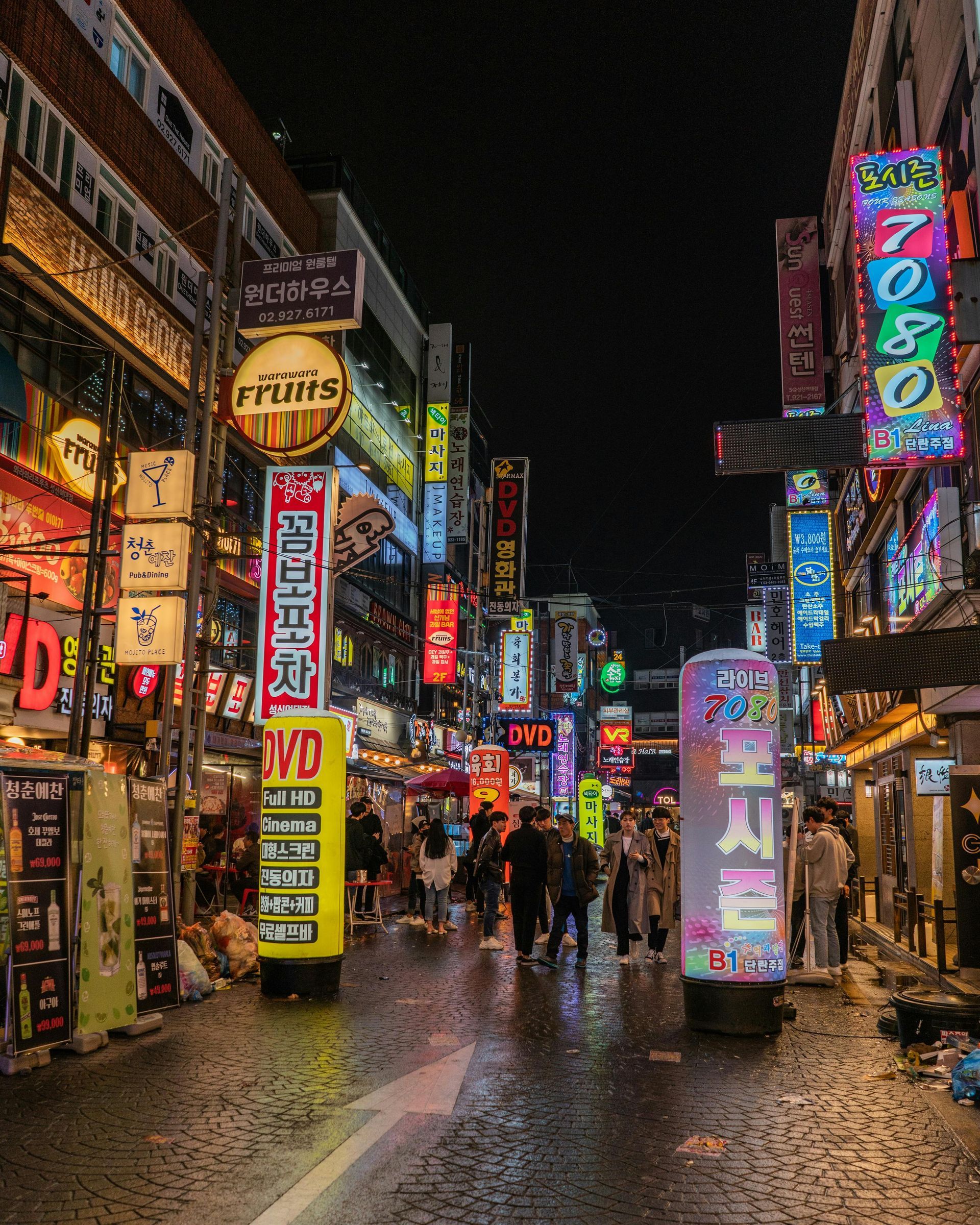
Waar Tokio stijfjes aanvoelde, bruist en leeft Seoul . Alle toeristen die ik spreek zijn het erover eens: er hangt een goede ‘vibe’ in de stad. De helft van de ruim 50 miljoen Zuid-Koreanen woont in metropoolregio Seoul. De stad zelf herbergt zo’n 12 miljoen zielen. Het is even wennen na Japan weer afval op straat te zien. De hoffelijkheid van het laten voorgaan maakt plaats voor dringen. Koreanen zijn ook luidruchtiger. Op het eerste gezicht is Korea qua cultuur tussen Japan en China te plaatsen. Korea scoort op veel lijstjes minstens zo hoog als eeuwige rivaal Japan. Met name Seoul is hypermodern, commercieel, strak georganiseerd en voorzien van allerlei technologische snufjes. In restaurants bestel je vaak via een scherm, word je bediend door robots en komt er geen contant geld aan te pas. Maar het bruist, mensen zijn toegankelijker en minder gereserveerd dan Japanners. Het metronetwerk is het meest uitgekiende dat ik ken. Een enorm fijnmazig web. Duizenden ondergrondse wagonnetjes rijden er bijna 20 uur per dag rond. Rondom de spits kun je een zitplek vergeten. Sardientjes is nog zacht uitgedrukt, het is een paar keer flink proppen en niet iedereen kan mee. Na een week Seoul reis ik met twee tassen naar het busstation ruim een uur verder. Na 20 minuten valt er een (oudere) man pardoes tegen de grond, hij komt hard op zijn hoofd neer en is duidelijk knock-out. Er wordt direct gebeld, wagon stilgezet en hulp verleend. Na een paar minuten wordt de beste man overeind gehesen en de trein uit het perron opgebracht. Intussen is de wagon verder volgelopen. Niet veel later zijn we weer onderweg maar word ik zelf flauw en kortademig. De eerste beste stop wil ik er met twee tassen uit maar kom slechts met eentje buiten. De grootste tas met alle spullen gaat zonder mij verder. Een mini black-out. Een vrouw brengt even later mijn reispas naar me toe die ik ook al verloren was. Later die dag tik ik drie keer een foute pincode in bij een geldautomaat. Gelukkig is de tas snel opgesnord, hier had ik ook wel fiducie in. De vraag was niet of maar wanneer. Er worden direct tientallen camerabeelden bekeken en belletjes gepleegd. Tien minuten later kan ik 15 stations verder mijn tas afhalen. De bus ondertussen al lang gemist maar dat is van mindere zorg. De express bussen zijn overigens geweldig; erg ruim en je krijgt (deels) geld terug wanneer je een bus mist. Volgens mij staan in Korea overal camera’s behalve op hotelkamers, slaapkamers en toiletten. Iedere vierkante centimeter wordt in de gaten gehouden. Veiligheid prevaleert boven privacy. Camerabeelden van verdachten en gezochte criminelen worden op tv continue herhaald. Naming and shaming, het is de methode om iedereen in drukbevolkt Korea in het gareel te houden. Ondertussen begeef je je in (Zuid) Korea in een land dat al ruim 70 jaar in staat van oorlog verkeerd met noorderbuur Noord-Korea. Er is weliswaar een staakt het vuren getekend maar nooit een vredesverdrag. In Seoul, op slechts 30 kilometer van de grens, dienen metrostations als schuilkelders. Gasmaskers zijn ondergronds ruim voorhanden. Op hogere hotelkamers steevast een uitklapbare ijzeren arm waar je met koord vanaf kunt abseilen. Alhoewel men de provocaties van de noorderburen gewend is geraakt komt de dreiging dichtbij door ontdekte tunnels. Volgens overlopers (tienduizenden per jaar) zijn er nog meer tunnels van waaruit aanvallen gepleegd kunnen worden. Noord-Korea stond voor schut na ontdekking van de tunnels, ontkende iedere betrokkenheid en liet ze zwart schilderen om te doen alsof het om mijnbouw ging. We nemen in een kijkje in de tunnels die duidelijk niet voor lange Europeanen gemaakt zijn. Met verrekijkers spieken we het dorre land van Noord-Korea in. Westerlingen vinden het bijzonder spannend iemand te zien in dit volledig afgesloten en geïsoleerde land. Het is de meest zwaarbewaakte grens ter wereld. Toch zijn veel Zuid-Koreanen niet met de dreiging bezig en willen liever vooruit. Alhoewel er voor Zuid Koreaanse jongens een verplichte dienstplicht van twee jaar geldt haalt men deze tijd hierna zo snel mogelijk in met geld verdienen en carrière maken. Men gelooft niet of nauwelijks meer in hereniging met de noorderburen. In tegenstelling tot oprichter en oud-topman van Hyundai. In het Noorden probeerde hij als jongen meermaals van het platteland te vluchten. Na de oorlog bleef hij in het zuiden achter en richtte een van ’s lands grootste bedrijven op. Net als voor miljoenen andere Koreanen was de oorlog een splijtzwam en zagen zij familieleden nooit meer terug. Gepensioneerd schonk de oud Hyundai topman op de grensburg (omgedoopt tot ‘cow bridge’) 1001 koeien aan Noord-Korea. Het moest geen rond getal zijn, maar het begin van iets nieuws. Na WO-II werd Korea net als Duitsland in tweeën gedeeld, op de 38e breedtegraad werd een grens getrokken. De decennia ervoor was geheel Korea gekoloniseerd door Japan. Na de scheiding besloot het Noorden in 1950 een brute aanval te doen en werd het zuiden overrompeld. Wat volgde was een nu (in het Westen) bijna vergeten, gruwelijke oorlog met vier miljoen slachtoffers. De pas opgerichte VN kwam voor het eerst in actie en talloze landen, waaronder Nederland, gaven gehoor aan de oproep van de VS om mee te vechten. In feite werd er voornamelijk tegen China en Rusland gevochten. Een cultuurstrijd, een ideologische strijd, een uitbestede oorlog. Het lijkt net de huidige Oekraïne oorlog. 4.500 Nederlanders gaven zich op. Een avontuur lonkte. Velen hadden nog nooit van Korea gehoord, laat staan dat men wist waar het lag. 150 Nederlanders kwamen nooit meer terug. Andere Tijden blikte onlangs terug . De stadsmens in de metro oogt bleekjes, kucht en niest van het vele binnen zitten. Vooral vrouwen mijden de zon zoveel mogelijk. Handen voor het gezicht en veel paraplus, op zonovergoten dagen! Een witte huid is het schoonheidsideaal. Er zijn zelfs behandelingen en speciale crèmes voor. Zoals K-Pop en K-Drama is er ook K-Beauty, obsessief met uiterlijk voorkomen bezig zijn. Op iedere hoek van de straat wel een winkel met crèmes en make-up van een grote keten. Maar het gaat verder: Seoul is wereldwijde ‘hoofdstad van cosmetische ingrepen’. In het Gangnam district hele straten vol billboards met advertenties van dokters in witte jassen. Meest populaire ingreep? De dubbele ooglidcorrectie. Ruim 20% van de jonge vrouwen heeft een ingreep ondergaan of overweegt er een. Er is – in tegenstelling tot Europa – totaal geen stigma over. Pas afgestudeerde (vrouwen) krijgen een cosmetische ingreep als cadeau. Foto’s op een CV zijn verplicht en uiterlijk speelt – meer dan waar ook – een doorslaggevende rol in carrière succes. Dit komt omdat er een moordende concurrentie is voor goedbetaalde top banen. Ook de Aziatische crisis van eind jaren ’90 is hier debet aan omdat de arbeidsmarkt hierna grondig hervormd werd en werknemers minder zeker van hun baan werden. Guus Hiddink is met afstand de bekendste Nederlander in Korea. Dat dankt hij volledig aan zijn huzarenstukje met het nationale voetbalelftal tijdens het WK 2002. Zo was er voor de Oranjefan tenminste nog iets van succes te vieren. Uit het niets haalde thuisland Zuid-Korea bijna de finale, het was Duitsland – wie anders – die ze ternauwernood een halt toeriep in de halve finale. Voetballen konden ze wel, het ontbrak aan vertrouwen en geloof. Psycholoog Hiddink smeedde een team, kweekte vertrouwen en de rest is geschiedenis. Er wordt nog altijd vol bewondering over Hiddink gesproken, hij wordt echt als een held gezien die Korea als voetballand op de kaart zette. Voetbal is samen met honkbal de nationale sport van het land. Met de lange Amerikaanse (militaire) aanwezigheid kwam honkbal in het kielzog mee. Evenals het geloof. Korea wijkt hier nogal af van andere Aziatische landen. De helft van de Koreanen is atheïst (alleen al om die reden moet hereniging haalbaar zijn), ruim 30% Christelijk en 15% Boeddhist.
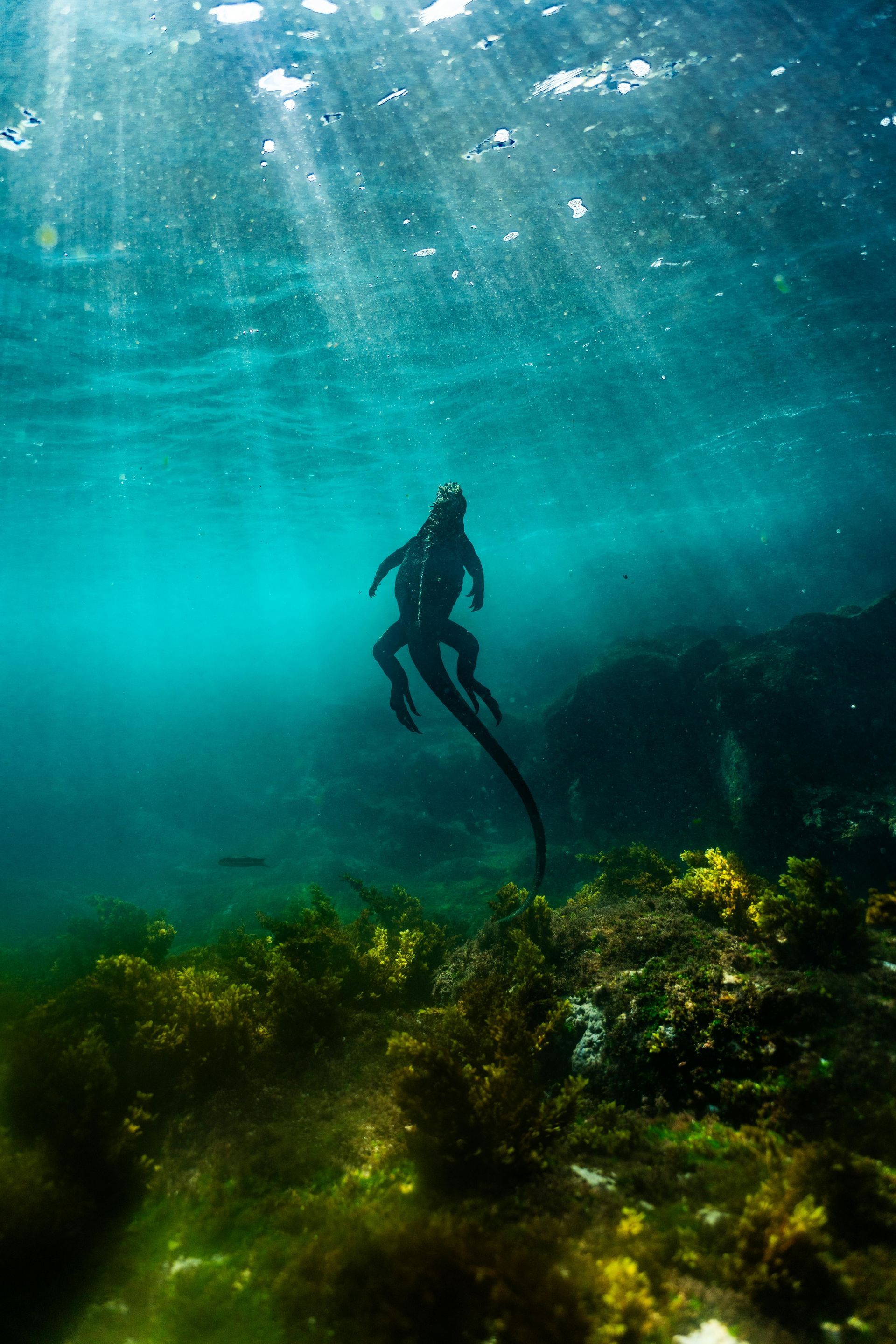
Spaghetti legs. A stomach turning over. I had forgotten what it was like to spend time at sea. I had lost it once on a small boat off the waters of South Africa. Now, we are sailing around the Galapagos Islands. A group of young volcanic islands far removed from any island or mainland, similar to Hawaii. It is a strong brand that stands for adventure as well as unique flora and fauna. But also for the theory of evolution and the name Darwin that will forever be associated with the archipelago. It is mainly American and British tourists who travel down here. Out of a population of only 30,000, a quarter of a million foreign tourists visit the archipelago every year. Ecuador is already remarkably pricey but the Galapagos Islands are on another level. One hundred dollars per incoming traveler alone goes to protect the national park (which includes the entire archipelago). And this is much needed. Some native animals and plants species have already gone extinct. Mainly due to humans and animals (dogs, cats, goats, pigs) as well as uninvited guests (rats and mice) who traveled on the ships and caused real havoc. For visitors from colder places, the sun is the greatest enemy. On the equator, relatively closer to the sun and on the water, you have to be careful not to be grilled alive. We have been snorkeling in the water for a while, looking for sea cucumbers, sea turtles, penguins, sea lions, starfish and schools of fish. There is a strong current in the flooded "caldera" (collapsed crater) and as we scour the rocky shore, we are vigilant to the swell. From about thirty feet we are constantly being watched by two dinghies with crew. Today I swam a little farther than the rest and am starting to get cold. Then I turn around and find myself facing a shark. This one is bigger than the one-meter baby sharks and the one-and-a-half-meter whitetip reef sharks we had seen over the past few days. Curious, he or she takes notice on what intruder is in her territory. It is a Galapagos shark that grows up to three meters and this one is at least as tall as I am (1.95m). Still, I don't flinch and for a few seconds our eyes are crossed. Then I look above the water to see where everyone else is. Back underwater, the shark has disappeared. I am alone now and a little apprehensive. This guy was not schedules for today and could emerge from my back at any moment. At the same time, I realize that the crew don't just submerge us with perilous sharks. Nearby, they are diving for the much larger whale shark and hammerhead shark. The vast majority of sharks are completely harmless to us; we are not their natural prey. In fact, hundreds of thousands are slaughtered every year for shark fin soup. Just like the hunting of sea turtles (from which a so-called beneficial effect is said to emanate), this is strictly forbidden (in many places). The (brief) moment with the shark will stay with me. What a mighty beast. Back on the boat, the regular ritual of a hot shower and sunbathing on top of the deck unfolds. Birds invariably hitching on the wind stream and hoping for some food leftovers thrown overboard. For days we are far from any form of civilization. On one side the rocky lava coasts with sparse vegetation and pearly white beaches. On the other, nothing but water. No rock for thousands of miles all the way to Papua New Guinea. Gazing at the pitch-black night sky with this thought is mesmerizing and the full moon still gave a little light. But tonight it is overcast and truly pitch black. I think of the solo sailors who cross the ocean on their own and reflect that I could never do this. In my opinion, you need steely nerves for this. Especially when you sail on or around equator like we do now. In the 'doldrums' it may not be as haunting but it can be windless for days. Then, as a sailing yacht, you are just bobbing around. On the bridge we are allowed to watch with the captain how the GPS equipment indicates exactly 0.00.000 degrees. The atmosphere on board has turned. It was jolly good fun the first day and we pictured ourselves on a luxury yacht with more crew than people on board. It hardly ever rains here and the sun was so bright in the sky. Underwater, we had already seen all kinds of beautiful marine life and the beaches were tropical. Most of my travel companions, like me, had booked a last minute and were sold a comfortable cruise with all kinds of amenities. For the sake of efficiency, we sail at night so we could set out in a fresh new environment in the morning. But it was a pretty wobbly, turbulent first night and in the morning not much is spoken over breakfast. I feel very bad all day and strongly consider aborting the trip that afternoon and staying ashore in the last village ashore. Just the thought of going back on board turns my stomach. We are literally stuck with each other for another week, and I find it hard to imagine how this ship of over thirty meters is going to somewhat stay stable in the water. The waters may be a little more turbulent this season than the rest of the year, but apparently you get used to it because for the crew, it's a day like any other. Unlike most cruise ships, this yacht has cabins for solo travelers so there is no extra surcharge for the more usual twin rooms. On board, an elderly Brit and I are the only solo travelers. Where the rest are adventurous twenty-somethings, thirty-somethings and forty-somethings, this man arrives in a three-piece suit on the first sweltering hot day. It is as if he has blown over from a Mr. Bean episode. He's a bit out of place also because he doesn't join the daily snorkeling trips. But he's well-traveled, finds his niche and tells a good story. Apart from a Swiss couple and myself, they are all British. The politeness is pleasant but I am annoyed critical questions are never asked and everything is taken for granted. Our Ecuadorian guide has clearly done this hundreds of times, it comes across as a bit tedious. Nevertheless, we are impressed by his extensive knowledge about the origin of the islands and the flora and fauna present. Because there are no bees on the islands, pollination takes place entirely by the wind. Pioneer plants such as cacti and saltwater plants eventually nestle in the lava rock or along the beaches. Things can move quickly from there. The bulk of the development of both flora and fauna has "only" taken place in the last 50,000 years. Darwin published his magnum opus more than 25 years after his voyage with the Beagle. A trip during which, incidentally, he spent more time on land than at sea. On board, he often suffered from severe seasickness. Although he formulated the core of his theory of evolution much earlier than "On the Origin of Species" was published, his ideas were very controversial for that time and age. The finches taken from the various Galapagos islands were renamed "Darwin Finches" but without the captain's notes this would never have happened. Darwin did initially not notice any differences. Only at a much later stage did it transpire from the captain's logbook that the sampled finches differed from island to island. They had evolved separately in the "niche" of the Galapagos Islands. For example, the size of the beak differed from island to island depending on the nuts and seeds present there. And so the theory of evolution was further substantiated. Speaking of birds, the 'Blue Footed Booby' is clearly one of the more colorful inhabitants. This Blue Footed Booby is only found in a very limited part of the world. This bird too is very tame because it has not evolved much, if at all, with natural enemies on land. Like the giant tortoise, it has become something of a mascot for the Galapagos. They remind me of the cute Puffins in Iceland. Evolutionarily, the blue feet seem completely useless but appearances can be deceiving. They play an important role in mate selection. The blue color comes from pigments they ingest by eating fish. The birds dive from dozens of meters to 25 meters deep underwater. The pigments from their diet act as antioxidants and help immune function. On the beach we sometimes encounter more unusual birds; American seventy-somethings in snorkel suits. It all looks a bit awkward. Nice that they still do this and we exchange cruise experiences. Because of its very isolated location, few migratory birds are found on the islands. Nevertheless, many birds are able to cross the distance and some end up staying. But how did flamingos, penguins and iguanas ever end up here? No one knows for sure; it remains speculation. Arguably, iguanas washed up on driftwood and evolved into the world's only marine iguanas. These little dragon-like reptiles have no natural enemies on land and you could easily lift them up by their tails. As cold-blooded creatures, they warm up collectively in the sun. Unlike their brothers on land, once warmed up they feast on algae in the water - like strict vegetarians. An example of how these dragons have adapted to life underwater are their kidneys. The water around Galapagos is saltier than in many other places and the kidneys of these marine iguanas filter this salt after which they blow their nose once in a while to get rid of it. It is comical to see how sea lions sometimes chase the iguanas. The sea lions also have absolutely no fear of humans and come ashore to take a nap. In the water they are playful and even bold by swimming around you and approaching up to a few inches. Unfortunately, they are also sought after for their beautiful and strong fur. The flamingos are descended from the Chilean species and I didn't know that their pink fur comes from the pink hulls of shrimp they eat. The Galapagos penguins are cute and the only penguins in the Northern Hemisphere. A gland in their body produces an oily substance which deposits on their wings making them look like walking oilmen. Underwater, they shoot by at over 20 mph. The giant tortoises deserve further explanation. Like the "Darwin finches," they were central to his thesis that species develop separately in isolation (e.g. on an island) according to environmental factors, prey, natural enemies and available food. They capture our imagination in part because of the extremely high ages they reach. With the passing of "Lonesome George" in 2012 (who it was said to have been taken by Darwin), the Galapagos giant tortoise became extinct. A specimen named Harriet reached an age of about 176 years and these animals could weigh nearly 450 pounds. Subspecies continued to exist and are now all classified (due to external differences) as separate species of giant tortoises. Nevertheless, the giant tortoises were close to extinction. In fact, similar to how the dodo met its end on the island of Mauritius. Ships and especially the whaling industry took the turtles on board by the tens of thousands each year and piled them upside down in the hold. Reason for this was very simple: the animals could go up to a year without food and even water. Old age is often explained by this unique metabolism (as well as slow movement). The meat was welcome food on the long voyages across the oceans. When - before there was electricity - it was also discovered that the meat and eggs were high in oil, they were slaughtered to light the streets of Quito. As if that were not bad enough, dogs, rats and goats wreaked havoc on the islands by either eating the eggs or out competing the turtles for food. With sophisticated breeding programs and the establishment of a national park, the population was protected and rebuilt.
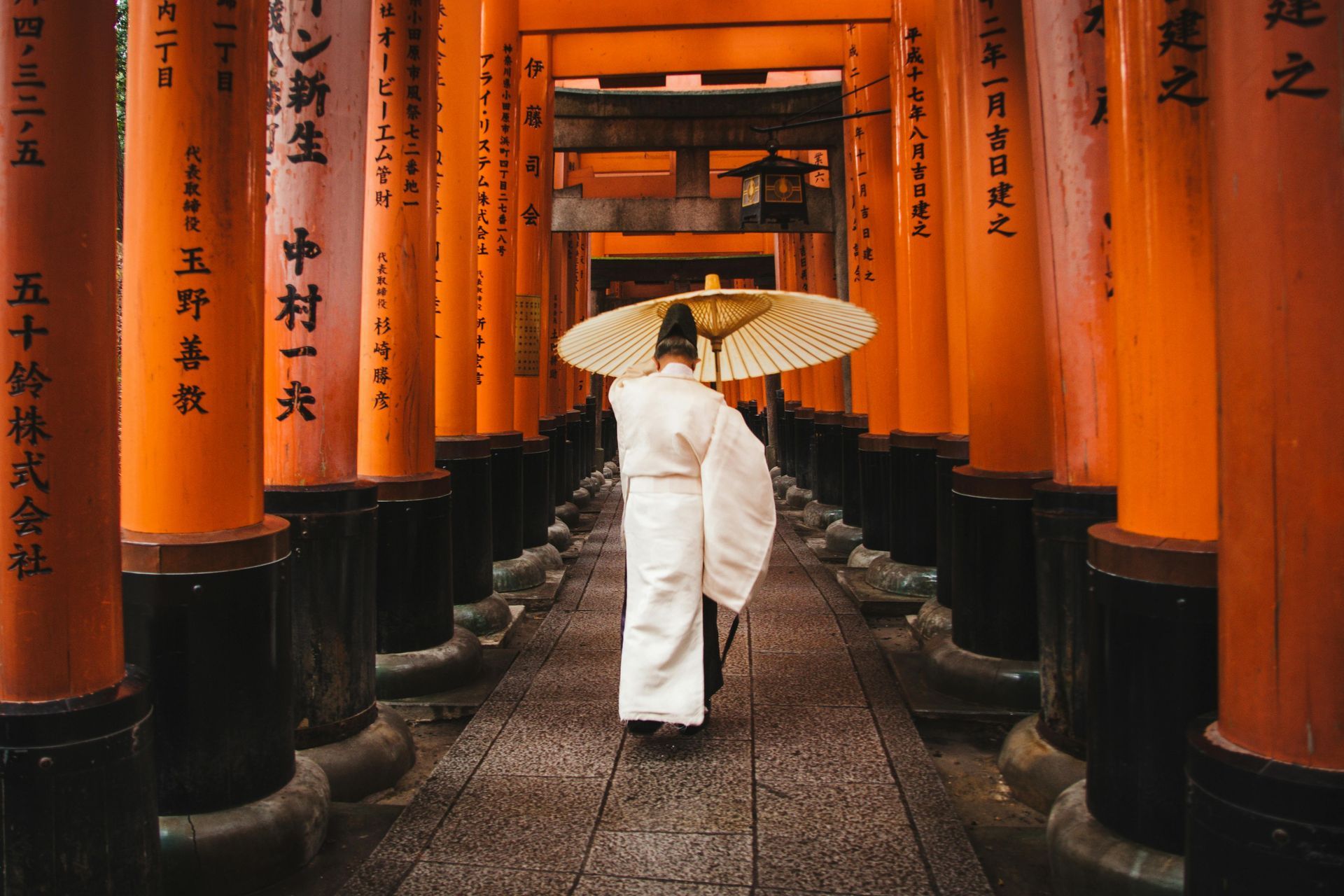
Na drie weken Japan heb ik nog geen vuilnisbak gezien, afgezien van op de hotelkamer. Op straat en in publieke ruimtes zijn er geen te vinden. Je verwacht dat het een bende op straat is. Het tegendeel is waar, het is het schoonste land dat er bestaat. Bij de meeste hotels en ook restaurants wissel je bij de deur je schoenen in voor slippers. Megasteden als Tokio zijn brandschoon, er ligt niet of nauwelijks afval op straat. Iedereen wordt geacht zijn afval mee naar huis te nemen. Waar het vervolgens gescheiden en afgehaald wordt. Je ziet of merkt hier niets van. Als Westerling is het even wennen je vieze plastic afval de ganse dag in je tas mee te nemen. Op straffe van boetes wordt afval weggooien ontmoedigd. Evenals roken. Op straat wordt er niet gerookt (op straffe van boetes). Dit zijn enkele van de ‘harde’ uitgesproken regels. Dan is er nog een stuwmeer aan etiquette en ongeschreven regels. Prachtig, want het is een cultuurschok voor veel bezoekers. Voornamelijk in positieve zin; men is onder de indruk van de Japanse discipline en oog voor detail. Geweldig, die aandacht voor details. Van allerlei hulpmiddelen en ‘hacks’ tot handgeschreven notities over hoe een apparaat te gebruiken. De toiletten vermijd je beter, het is een echte gebruiksaanwijzing met allerlei knoppen en elektronica. Als je niet oppast word je langs alle kanten besproeid. De omgangsvormen, de discipline en aandacht voor details heb ik in deze mate nergens anders gezien. Japanners lijken te beseffen dat als ieder van de 125 miljoen (en dalende vanwege sterke vergrijzing) zijn of haar steentje bijdraagt de maatschappij er beter op wordt. En al die miljoenen handelingen maken een verschil; het voelt als een modern Westers land met een cultuur 180 graden anders dan in Noord-Europa en de VS. Beleefdheid kent geen grenzen in Japan. Het is vorm en etiquette maar wel zo prettig. Hierdoor is het wel lastiger een ‘normaal’ gesprek aan te knopen en de taalbarrière helpt hier niet bij. Ik vind de Japanners wat gereserveerd. Ik denk niet dat het een gebrek aan interesse of nieuwsgierigheid is, maar ze laten je vooral met rust. Niemand die een praatje komt maken of enige interesse toont. Vandaar dat Japan populair is onder introverte reizigers; je wordt met rust gelaten. Ik vind dit wel een mindere kant van reizen door Japan. Zeker na de Olympische Spelen spreken de meeste Japanners wel een woordje Engels, maar het gaat niet van harte. Ze lijken zich te schamen voor hun gebrekkige Engels. Als echte perfectionisten doen ze liever iets met volledige overgave of helemaal niet. Je komt niet snel een onverschillige, laconieke Japanner tegen. Zelfs de verkeersregelaar of treinconducteur neemt zijn taak bloedserieus. Wat vervolgens - ironisch genoeg - voor mij onbeleefd overkomt is dat je bij restaurants geweigerd wordt omdat ze het Engels niet goed beheersen of op een andere manier denken je niet goed van dienst te kunnen zijn. Die weigering is indirect, door bijvoorbeeld te stellen dat het restaurant vol is of alleen werkt met reserveringen. De vergelijking van Japan met Engeland (ook een eilandstaat) tegenover China en de VS vind ik wel treffend. Het contrast tussen beleefdheid en perfectionisme aan de ene kant tegenover snelheid en doelmatigheid aan de andere kant. Volgens mij moet het benauwd zijn om Japanner te zijn. Het lijkt of men elkaar in beleefdheid overtreft. Soms is dit hilarisch en kan men er ook wel om glimlachen. Met name het elkaar laten voorgaan bij een deur, trap of lift. In een busrit weet de chauffeur een vrijwel zekere botsing te voorkomen. Hij houdt zijn arm voor de passagiers die naast hem staan alsof hij deze nog zou kunnen opvangen. Het is totaal niet zijn fout maar bij de volgende stop komt hij persoonlijk achter de bus in gelopen om iedereen excuses te maken (!). Ik reis liever met de trein maar bij zo’n buschauffeur stap ik graag nog eens in. In het openbaar vervoer – maar ook elders – nog veel mondkapjes. De hygiëne standaard is wellicht iets doorgeschoten. Werkelijk alles zit verpakt in kleine plastic verpakkingen. In sommige hotels krijg je iedere dag een nieuwe tas aan je deur gehangen vol met eenmalige prullaria zoals een scheermes, wattenstaafjes en zelfs pyjama. Overal desinfectiemiddelen en natte handdoekjes in de restaurants. Het is vooral heel veel (overbodig) plastic en papier. Op straat niets dan zuinige Toyota’s, Suzuki’s, Honda’s, Daihatsu’s en Subaru’s. Japan beschikt vrijwel over geen olie -en gasreserves en moet alle brandstoffen importeren. Na de oliecrisis in de jaren ’70 ging het roer om. Hier geen slurpende SUV’s maar kleine, zuinige blokkendoosjes (waar ze de motor precies hebben verstopt is me een raadsel). Over smaak valt te twisten maar ze maken nauwelijks lawaai. En natuurlijk wordt er niet getoeterd. Het is wel opletten; het stuur zit rechts en er wordt links gereden (net als in het VK). Japan is – helaas - totaal geen fietsland. Koga Miyata mag dan van oorsprong Japans zijn, ik heb nog geen meter fietspad kunnen ontdekken. Dat is zonde, want de paar fietsers zie je over de stoep of tussen de auto’s door rijden. De treinen en metro zijn daarentegen geweldig. Net zoals bij frisdrankautomaten en betaalmachines in winkels gaat de transactie hier machinaal. Japan heeft natuurlijk de “bullet” treinen (Shinkansen) maar daarnaast ook veel kleine regionale boemeltjes. Een keer is het slechts één wagon en sta ik de hele rit vooraan zo ongeveer naast de machinist. Het is verwarrend, al die verschillende lijnen en uitzonderingen. Maar er zijn zelden vertragingen en je hebt geen auto nodig om door Japan te reizen. Tokio is vooral heel groot en druk. Als je van winkelen houdt ben je hier op de juist plek. Er komt geen eind aan enorme winkelcentra met ‘fast fashion’ en elektronica. In grote hallen tientallen jonge Japanners naast elkaar achter grote speelmachines. Een westerling is hier geen noviteit meer. Er zijn veel toeristen, het mysterieuze en eigenwijze Japan houdt aantrekkingskracht. Het zijn niet de typische backpackers van Zuid-Amerika of Zuid Oost Azië. Al kan je relatief goedkoop overnachten in een van de vele capsule hotels. Dan zit je wel opgesloten in een cel van twee vierkante meter zonder raam! Hotels zijn redelijk aan de prijs in Tokio, maar niet duurder dan Amsterdam. En uit eten gaan is goedkoper dan Nederland of België. De keuken valt me – als vegetariër - nog wat tegen. Ook hier een barrage aan ongeschreven regels waar je door vallen en opstaan aan went. Stokjes gebruiken en geen eten laten staan. Fooi geven is onbeschoft, maar dat went snel genoeg. Het is vooral heel veel vlees wat de pot schaft. En vis. Het aanbod aan vegetarisch is beperkt, je moet er echt naar op zoek. Er zijn wel vegetarische opties maar minder dan bijvoorbeeld in China of Taiwan waar meer tofu aan bod komt. Wat een magistrale berg is Fuji toch. Een inactieve vulkaan en de hoogste top van Japan, om de hoek van Tokio. Geen wonder dat er veel volk op af komt in de weekenden. Tot de boomgrens is het mooi door het bos wandelen. De heilige status van de berg komt terug in de vele ‘shrines’ oftewel altaren en gebedsplekken onderweg. De oorspronkelijke godsdienst van Japan, het Shintoïsme, had veel kenmerken van een natuurgodsdienst. Naderhand is het meer en meer verweven geraakt me het boeddhisme. In de zomermaanden geen sneeuw op de berg en dat is het seizoen dat Fuji beklommen wordt. Met duizenden tegelijk en het is nogal dringen. Begin Oktober is het rustig en alhoewel het officieel niet mag en sterk ontmoedigd wordt, wordt het oogluikend wel toegestaan. Het is een lange beklimming maar praktisch ongevaarlijk. De hoogte (3.767m) is voor vrijwel iedereen prima te doen. In de wintermaanden is het een ander verhaal omdat er veel sneeuw ligt. Je hebt dan meer materieel en dikke kleding nodig. De dag dat Simon uit Amiens en ik bovenkomen is het schitterend weer met mooie vergezichten. De gevoelstemperatuur is -15 graden aan de top, voornamelijk door de ijzige rukwinden. We zijn nog in redelijk goede doen en besluiten naar beneden te razen om de laatste bus te halen. Niet per se nodig (we kunnen ook een taxi delen) maar wel haalbaar en praktisch. Een uur en 1.500 meter lager verder is de pijp wel leeg maar we zitten in de bus. Voor Simon was het allemaal wat te veel, hij verkrampt en valt flauw in de bus. Gelukkig is hij nog wel bij kennis en liggende op de vloer knapt hij langzaam wat op. Hij is net even te diep gegaan vandaag. De reis gaat verder naar Hakuba in de provincie Nagano. Het gebied staat beter bekend als de ‘Japanse Alpen’. Verspreid over dit gebied werden in 1998 de Olympische Winterspelen georganiseerd. Daar wordt overal nog aan herinnerd, zeker in dit kleine stadje dat ook wel bekend staat als het ‘Chamonix van Japan’. Met name in de wintermaanden komen er skiërs en snowboarders van over de hele wereld af op het dikke pak sneeuw. In de zomer is het er prachtig wandelen. Ook nu in de herfst zijn de omstandigheden uitstekend en ligt er enkel op de toppen een eerste sneeuwlaagje. Het zijn voornamelijk Japanse senioren die er goed geoutilleerd op uit trekken. De skiliften doen dienst om wandelaars in het middengebergte af te zetten om vanuit daar een gooi naar enkele van de toppen te doen. Er volgen enkele mooie wandelingen door bossen met alle herfstkleuren langs kleine meertjes tot aan de sneeuwwitte toppen. Terug in het dorp spreken de jonge Japanners die in de hotels werken een aardig woordje Engels. Het zijn wintersportfanaten die het sneeuwseizoen afwachten. Met de veiligheid is het prima gesteld in Japan. De Zuid Amerikaanse gewoonte van handen strak op portemonnee en telefoon slijt langzaam. Bij pinautomaten kijk ik niet schichtig meer over mijn schouders. Enkele keren zie ik mensen bukken om een gevallen kwartje terug bij de eigenaar te brengen. Japan komt steevast terug in lijstjes van meest veilige landen om te reizen. Datzelfde geldt voor verkeersveiligheid. Daar staat tegenover dat je beter niet met politie en justitie in aanraking kunt komen. Al is dit universeel. Het justitieapparaat beschikt over enorme macht en bevoegdheden. Verdachten die voorkomen worden steevast veroordeeld, dit veroordelingspercentage ligt op 99,8% (!). Precies vanwege deze verontrustende statistiek waagde gevallen topman Carlos Ghosn (Renault Nissan) zijn inmiddels befaamde ontsnappingspoging. Eind 2019 besloot hij – terwijl in huisarrest - de aantijgingen van fraude en zelfverrijking niet langer af te wachten. Verstopt in een kist voor muziekinstrumenten (met luchtgaten) werd hij met ingeschakelde hulp van Amerikaanse ex mariniers het land uit gesmokkeld in een privé vlucht. Het plan slaagde wonderwel en Japan stond voor schut. Voorlopig is de heer Ghosn veilig terug in Libanon, een land zonder uitleveringsverdrag met Japan. Vrij, maar zonder de privileges van de CEO van een multinational. Kioto is een schitterende stad, een verademing na Tokyo. Glas en beton maken plaats voor groen en hout. De stad oogt met al haar tempels ontspannen. Al barst het ook hier van de toeristen. Het had weinig gescheeld of Kioto was met de grond gelijk gelijkmaakt. De oude hoofdstad stond op de nominatie om de eerste atoombom op af te werpen. De toenmalige Amerikaanse minister van Buitenlandse Zaken kon het niet over zijn hart verkrijgen de stad van zijn huwelijksreis te vernietigen. Dus staan de vele pagodes, tempels en huizen met houten façades nog fier overeind. Er is minder hoogbouw, meer groen en de vele smalle straatjes zijn sfeervol. Drukke havenstad Osaka, op een steenworp afstand, is weer het tegenovergestelde. Modern en gericht op eten en winkelen. Bewoners zetten zich hier duidelijker af tegen het traditionele Japan. ‘Vredesstad’ Hiroshima maakt indruk. Het park met museum is goed opgezet. Toen Nazi Duitsland in mei 1945 capituleerde bestond er nog geen kernwapen. Er werd door verschillende regimes koortsachtig aan gewerkt, tot dan toe nog zonder doorbraak. Het ‘Manhatten Project’ was mede opgezet uit angst dat de Nazi’s aan een machtig wapen werkten. Onder leiding van Oppenheimer vorderde men in Los Alamos gestaag, al werden de eerste succesvolle testen pas na Duitslands capitulatie afgerond. Japan wilde niet capituleren en ging niet akkoord met de eisen zoals voorgelegd door de grote drie in Potsdam. Truman informeerde Stalin een dag voor de conferentie over de succesvolle test met een nieuw, machtig wapen. Stalin was dankzij zijn spionnen echter al lang op de hoogte. Zijn antwoord was dat het alleen maar goed zou zijn wanneer de oorlog snel afgelopen zou zijn. Het idee van een demonstratie bom op een onbewoond eiland werd van tafel geveegd. Aldus nam Truman het dramatische besluit tot inzet van een kernwapen op een logistiek en militair knooppunt. Dit besluit was mede ingegeven als afschrikkingsmiddel naar met name Rusland (als voorbode op de koude oorlog) maar vooral vanwege het felle Japanse verzet waar het Amerikaanse leger in Okinawa op stuitte. Een langdurige oorlog met vele verliezen was een doemscenario voor de Amerikanen. Hiroshima werd aldus weggevaagd, tiendduizenden burgers kwamen om in een helse vuurzee. Alhoewel de enorme omvang van de ramp vrij snel tot Tokyo doordrong wilde (het verdeelde) Japan niet direct capituleren en hield vast een zijn condities. De krijgsmacht vocht liever tot het bittere eind. De belangrijkste eis van Japan, behoud van ‘goddelijkheid van de keizer’, moet worden begrepen in het licht van de natiestaat of nationale identiteit zo typisch voor die periode. Generaal Douglas MacArthur dwong keizer Hirohito uiteindelijk via een radiotoespraak (Japanners hadden hem nog nooit horen spreken) afstand te doen van zijn ‘goddelijkheid’. Desondanks kon Hirohito (die intensief bij de oorlog betrokken was) wel aanblijven en bracht in 1971 zelfs een officieel bezoek aan Nederland (voorzien van de begrijpelijke protesten). In de niche van een geïsoleerd eiland kon de Japanse cultuur haar eigenheid behouden en zich verder ontwikkelen. De cultuur is mede zo lang intact gebleven omdat er nooit (m.u.v. de Amerikaanse bezetting na WOII) een buitenlandse bezetter is geweest. Invloeden van buitenaf werden door de eeuwen heen geweerd. De Portugezen waren de eerste Europeanen ter plekke en aasden op de handel met de shoguns (lokale leiders). De bekeringsdrang van het katholicisme beviel de Japanners uiteindelijk allerminst en de Portugezen werden dan ook zonder pardon in 1639 het land uitgezet. Jaren daarvoor waren de eerste contacten met Nederlandse handelsmissies als niet onprettig ervaren. Meer koopman dan dominee vielen de Hollandse protestanten zonder veel geloofsovertuiging beter in de smaak. De listige Nederlandse koopmannen wisten de shoguns wijs te maken dat de concurrerende Engelsen het katholicisme aanhingen. Hierdoor, en omdat de grotere Paapse legers gevreesd werden mochten alleen de Nederlanders blijven. Aldus was handelspost Decima geboren, een piepklein eilandje in de haven van Nagasaki in het uiterste zuiden van Japan. Dit kunstmatige, waaiervormige eilandje van nog geen anderhalve hectare was van 1641 tot 1859 het enige contact tussen de Westerse wereld en het grotendeels van de buitenwereld afgesloten Japan. De Nederlanders leefden op Decima onder strikte beperkingen. Het eilandje (zo groot als de Dam van Amsterdam) was slechts via één brug toegankelijk. Er mocht maar een beperkt aantal (10 tot 15) Nederlanders op het eiland verblijven. Met uitzondering van een jaarlijks bezoek aan de shogun in Edo (het huidige Tokyo) mochten zij niet van hun eilandje af. Nederland importeerde met name goud, zilver, koper, kamfer, sake en soja. Alles veranderde toen in 1853 een Amerikaanse vloot Japan dwong zich verder te openen naar de rest van de wereld.