
Northern Portugal
Historic Cities, Atlantic Coastlines & Timeless Traditions
Majestic fjords, northern lights, and timeless Nordic beauty.
Discover Northern Portugal
Where heritage, landscapes and local life come together
Northern Portugal is the cultural and historical heart of the country. It is a region shaped by ancient cities, vineyard-covered valleys, rugged Atlantic coastlines and strong local traditions that have endured for centuries. Less polished than the Algarve and more traditional than Lisbon, the north offers a deeply authentic Portuguese experience. This is especially true when traveling inland towards Braganca, Viana do Castelo and the amazing national park of Geres. Porto as a city has developed strongly the past decade and feels pretty international - with a growing base of digital nomads as well as a steady influx of weekly holiday visitors. The difference between Porto, Lisbon versus the countryside can feel quite immense.
From grand UNESCO-listed cities to sleepy riverside villages, Northern Portugal rewards travellers who enjoy culture, food, wine and slower-paced exploration. It is equally appealing to first-time visitors wanting to understand Portugal beyond the classics and to returning travellers seeking depth, character and regional identity. Read more on Northern Portugal here.
Visa Requirements
Portugal is a member of both the European Union and the Schengen Area.
EU and EEA citizens can travel to Portugal visa-free.
Entry requires a valid passport or national ID card.
There are no routine border checks when travelling from other Schengen countries, though identification should always be carried.
Language Spoken
The official language is Portuguese. English is widely spoken, particularly in cities such as Porto and Braga, as well as in hotels, restaurants and tourist areas. In rural villages, English may be more limited, though visitors generally find locals welcoming and helpful. Bear in mind that Portuguese people are great linguists - often they will have family living abroad and it's not uncommon for Portuguese to speak several languages. Besides English, Spanish and French are quite common.
Accepted Currencies
Currency: Euro (€)
Payment methods: Credit and debit cards are widely accepted in cities, towns and tourist areas.
Cash
is still useful for small cafés, local markets and rural areas, so carrying some euros is recommended.
Weather & Best Time to Visit Northern Portugal
Northern Portugal has a more temperate and greener climate than southern regions.
- Spring (April–June): Mild temperatures, lush landscapes and fewer crowds—ideal for sightseeing and wine regions.
- Summer (July–September): Warm and sunny, with temperatures typically between 25–30°C. Coastal areas benefit from Atlantic breezes.
- Autumn (October): Harvest season in the Douro Valley, with warm days and fewer visitors.
- Winter (November–March): Cooler and wetter, particularly inland, but cities remain lively and atmospheric.
Best time to visit:
- May to September for weather and festivals
- September and October for wine harvests and quieter travel
Destinations to Discover in Northern Portugal
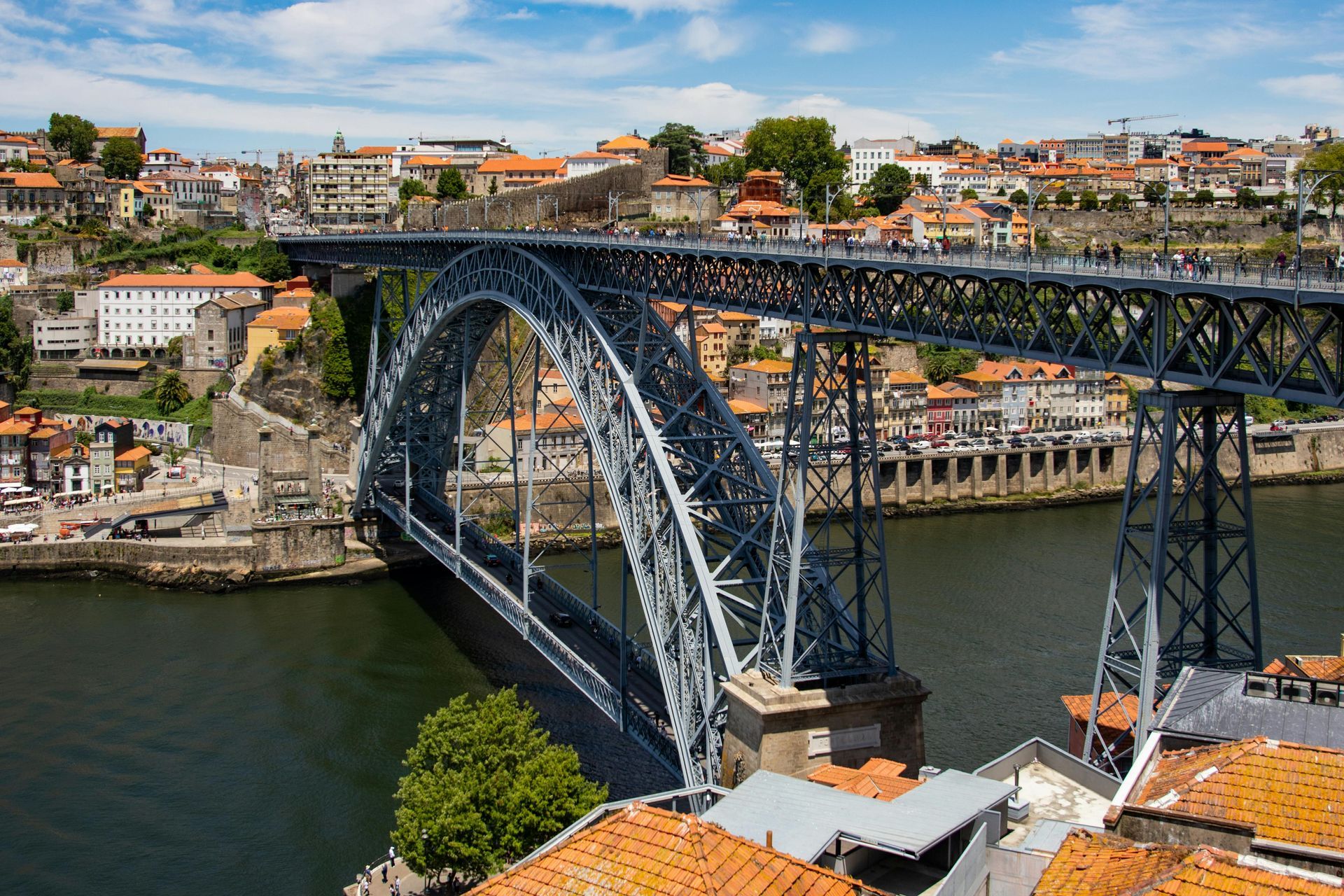
Porto – Riverside Charm & World-Famous Wine
Portugal’s second city is known for its historic centre, colourful riverside district and deep connection to port wine. Porto is atmospheric, walkable and full of character. It's a very popular European city trip destination and like the rest of Portugal the economy relies quite heavily on tourism. The restaurant offering is very diverse. The city itself is very well walkable but take into account that in the winter season it can rain frequently. Porto is also a great base to explore other cities in the North - but even a bit further south is the nice seaside destination of Aveiro. Beaches are never far away - in Porto the main one would be Matosinhos (surf lessons available throughout the year).
Things to do: Explore Ribeira along the Douro River, tour port wine cellars in Vila Nova de Gaia, visit Livraria Lello and admire São Bento railway station’s azulejo tiles.
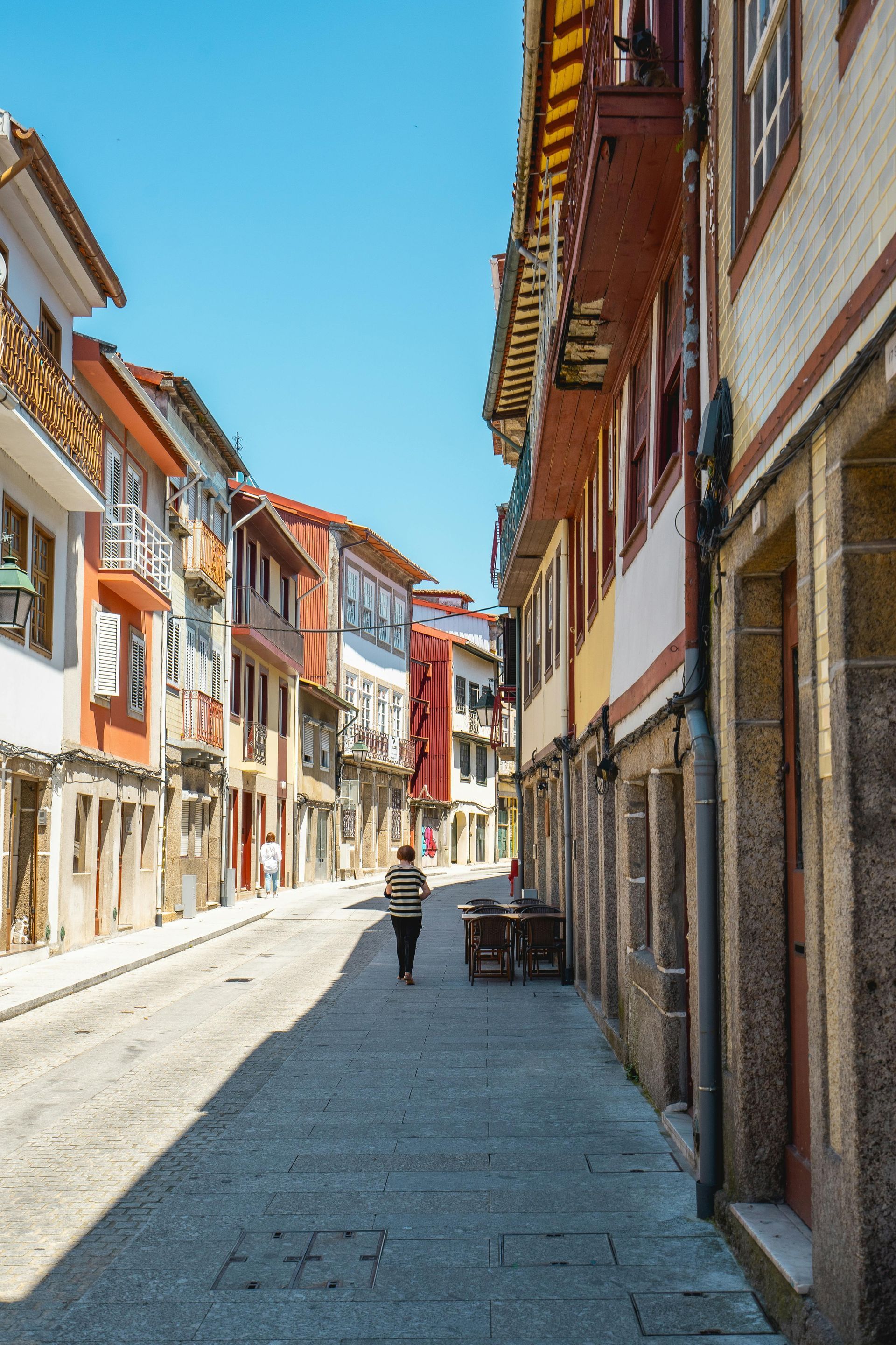
Guimarães – Birthplace of Portugal
Guimarães is often described as the cradle of the Portuguese nation. Its medieval centre is beautifully preserved and full of historical significance. Take a walking tour with Guruwalk, visit the old castle or simply stroll around the narrow old streets of the town. It's 30-40 minutes by train or bus from Porto - and even a day trip including Braga is very well doable. This area is also traditionally known as a manufacturing zone for footwear and clothing although it has decreased the past decade.
Things to do: Walk the UNESCO-listed old town, visit Guimarães Castle, explore the Palace of the Dukes of Braganza and enjoy traditional northern cuisine.
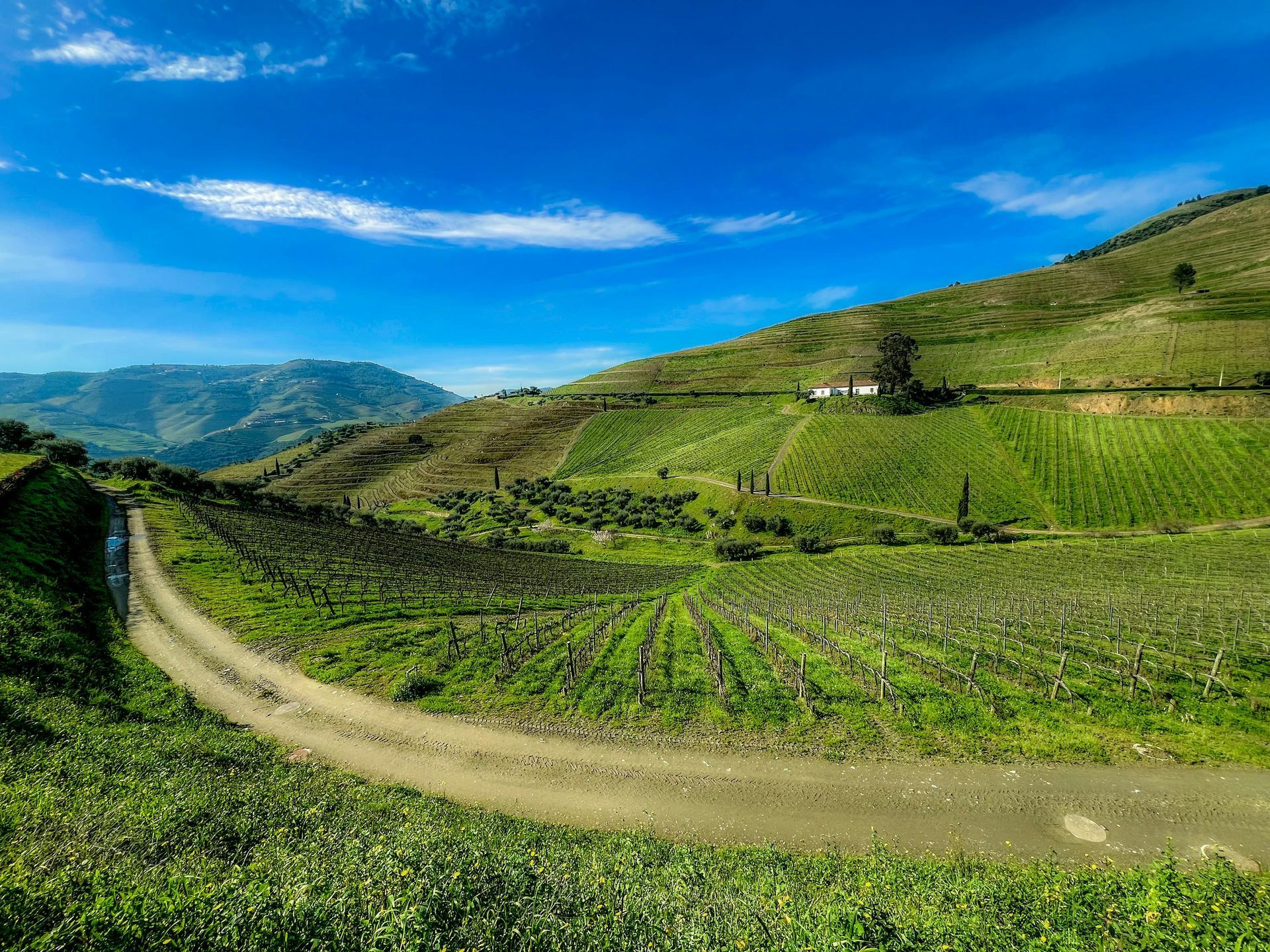
Douro Valley – Vineyards & River Scenery
A UNESCO World Heritage Site, the Douro Valley is one of Europe’s oldest wine regions, known for terraced vineyards and dramatic river landscapes. Day trips are best done from Porto.
Things to do: Take a river cruise, visit family-run wine estates, enjoy scenic drives and sample local wines in traditional quintas.
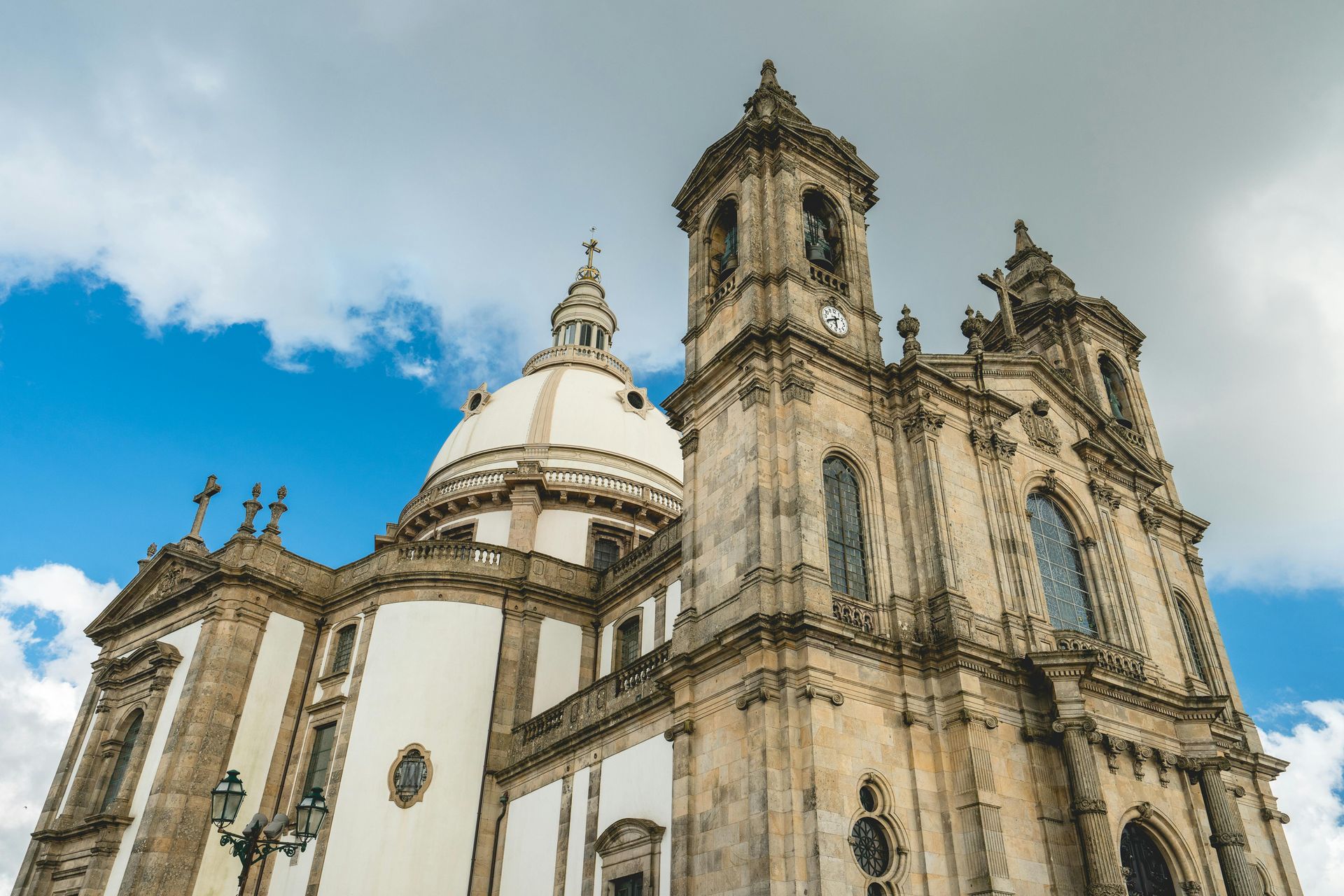
Braga – Portugal’s Spiritual Centre
One of Portugal’s oldest cities, Braga is rich in religious heritage, elegant architecture and lively student energy. It's a city with plenty of churches and a small but iconic football stadium home to FC Braga.
Things to do: Visit Bom Jesus do Monte sanctuary, explore the historic old town, discover Roman ruins nearby and enjoy local cafés and gardens.
Unmissable Experiences in Northern Portugal
Port Wine Tasting in Vila Nova de Gaia
Discover the history and production of port wine through cellar tours and tastings overlooking the Douro River.
Cruise the Douro River
Sail through vineyard-lined valleys on one of Europe’s most scenic river routes, particularly beautiful in spring and autumn.
Explore Historic Town Centres
Wander through medieval streets in Porto, Braga and Guimarães, where centuries of history are reflected in architecture, plazas and churches.
Northern Portugal Know-How: Top Tips for First-Timers
Expect a Slower Pace
Northern Portugal moves at a relaxed rhythm. Meals are unhurried, shops may close midday, and evenings start late.
Use Trains for City Hopping
The rail network between Porto, Braga and Guimarães is reliable, affordable and scenic, making car-free travel easy.
Try Regional Cuisine
Northern Portuguese food is hearty and flavourful. Look out for dishes such as francesinha, bacalhau and local stews.
Pack for Changeable Weather
Even in summer, evenings can be cooler, especially near the coast. Light layers are recommended year-round.
A region rich in character, culture and authenticity
Northern Portugal offers a deeper, more traditional side of the country, where history, food and landscape shape everyday life. From riverside cities and medieval towns to vineyard-covered valleys and Atlantic coastlines, the region combines beauty with substance. For travellers seeking culture, authenticity and memorable scenery—without the crowds—Northern Portugal stands out as one of Europe’s most rewarding destinations.